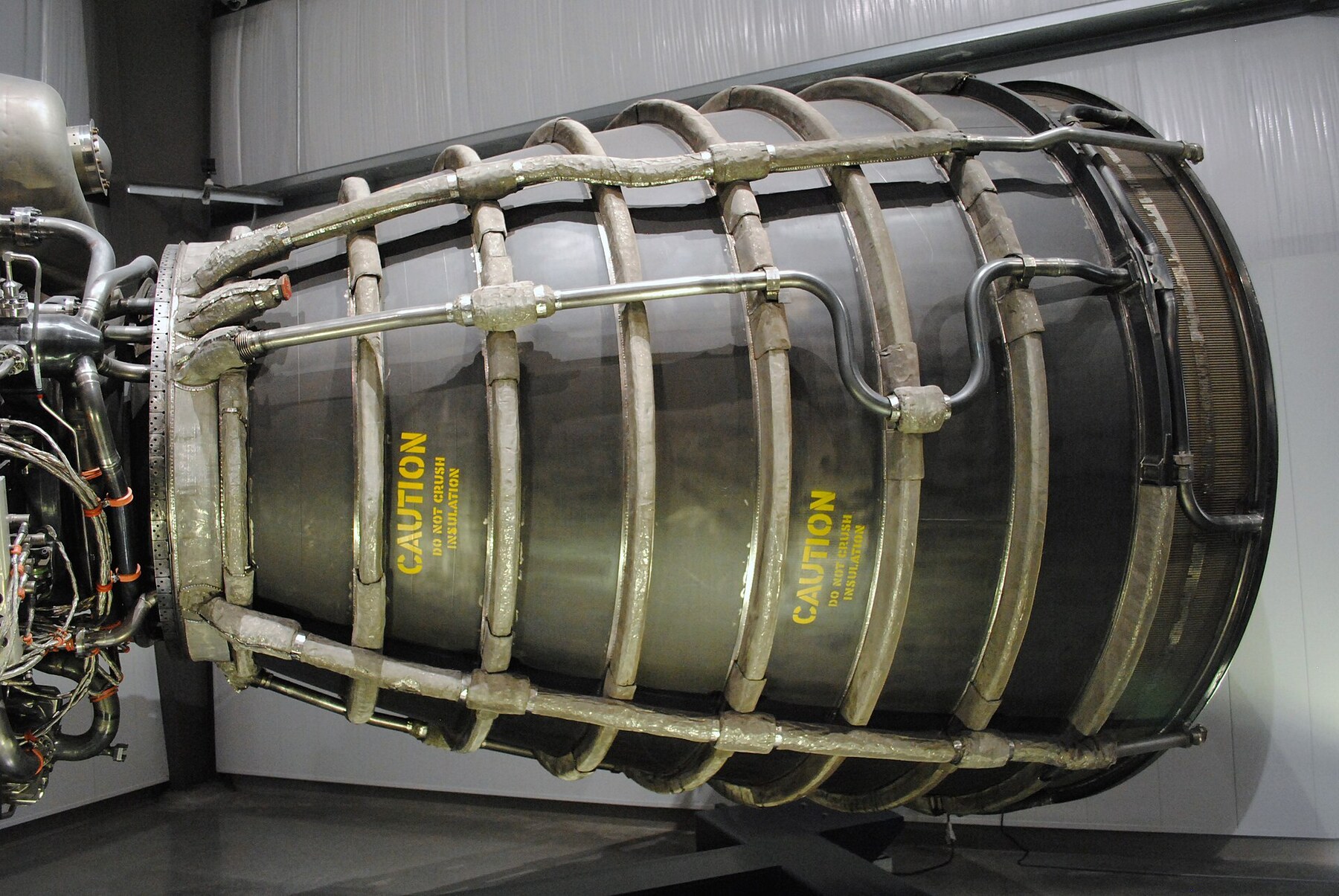
Washington State University researchers used AI to crack a materials bottleneck that sits at the heart of rocket MAT: how to laser powder-bed fuse NASA’s GRCop-42 (copper–chromium–niobium) on lower-power commercial printers. Over three months and within a budget of about 40 experiments, the team identified six successful process configurations across laser-power levels—including the first successful print at 500 W—instead of brute-forcing a search space of more than 100 million options. The work landed in the Proceedings of the AAAI Conference on Artificial Intelligence and won the Innovative Deployed Application Award.
GRCop-42 is prized for high thermal conductivity and strength under extreme heat, which is why aerospace teams put it in liquid-rocket combustion chambers—and why it is expensive and energy-hungry to print. Jana Doppa’s group notes that roughly 90% of commercial printers cannot print the alloy at the wattages they already own; prior attempts at lower laser power often melted or failed outright, and each trial burns materials, machine time, and days of post-print analysis.
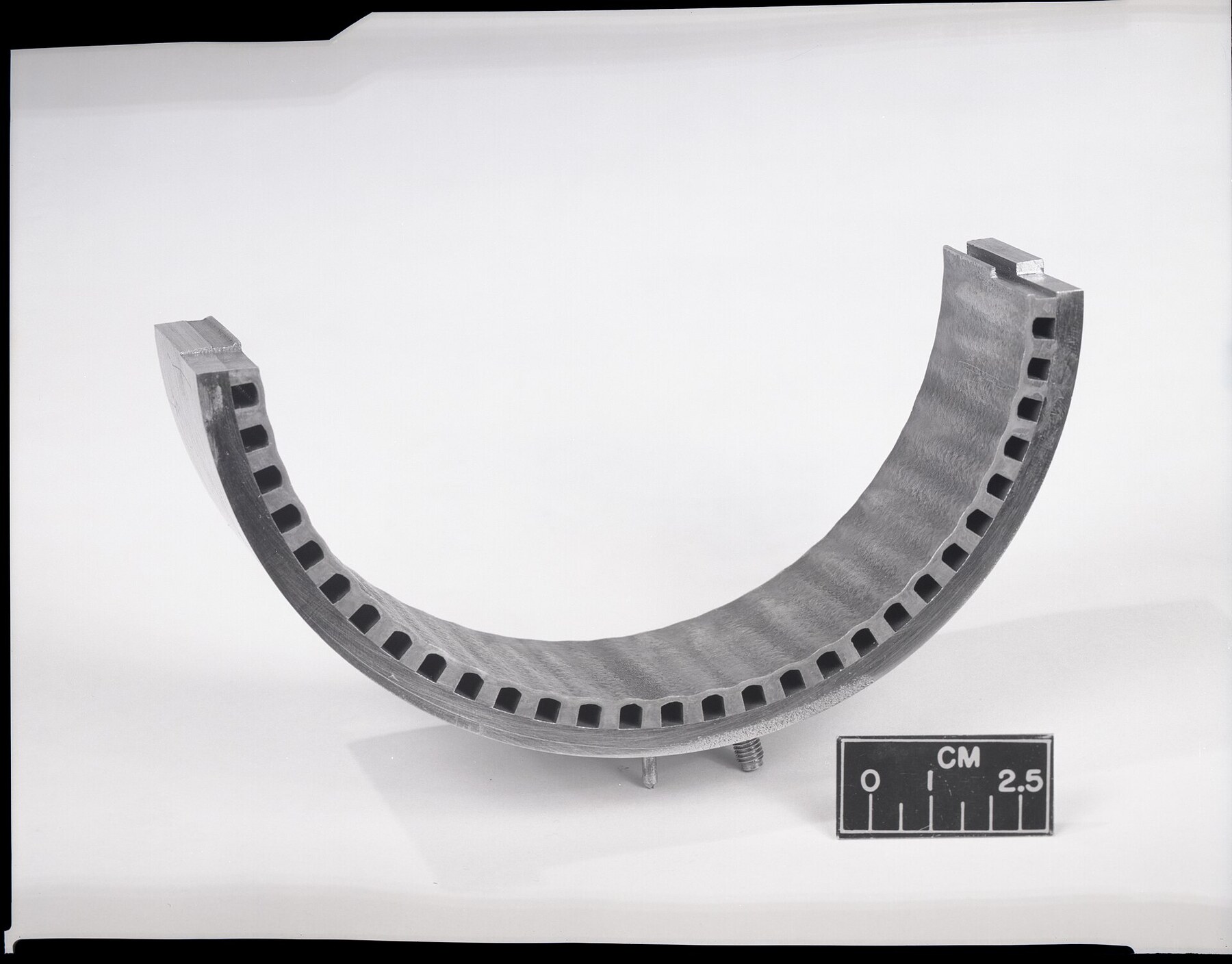
PhD student Azza Fadhel and collaborators started from 37 already-failed configurations in WSU’s School of Mechanical and Materials Engineering, then trained a model that estimated success likelihood and picked small batches that balanced exploitation of promising settings with exploration of uncertain regions. Working with Nathaniel Zuckschwerdt, Susmita Bose, and Amit Bandyopadhyay (plus Aryan Deshwal at the University of Minnesota), they printed AI-selected recipes and fed every binary success/failure back into the model—failures included—until six winners emerged. Phys.org carries the same WSU brief for a shorter mirror.
Lower laser power is not a vanity metric: it can cut energy use, equipment wear, and post-processing cost while opening GRCop-42 to universities and shops that do not own specialized high-power LPBF systems. That is the CAM angle—process parameters are the manufacturing program for metal powder beds—and the CAD angle, because geometry that assumes copper cooling channels only ships if the alloy actually prints denser than scrap.
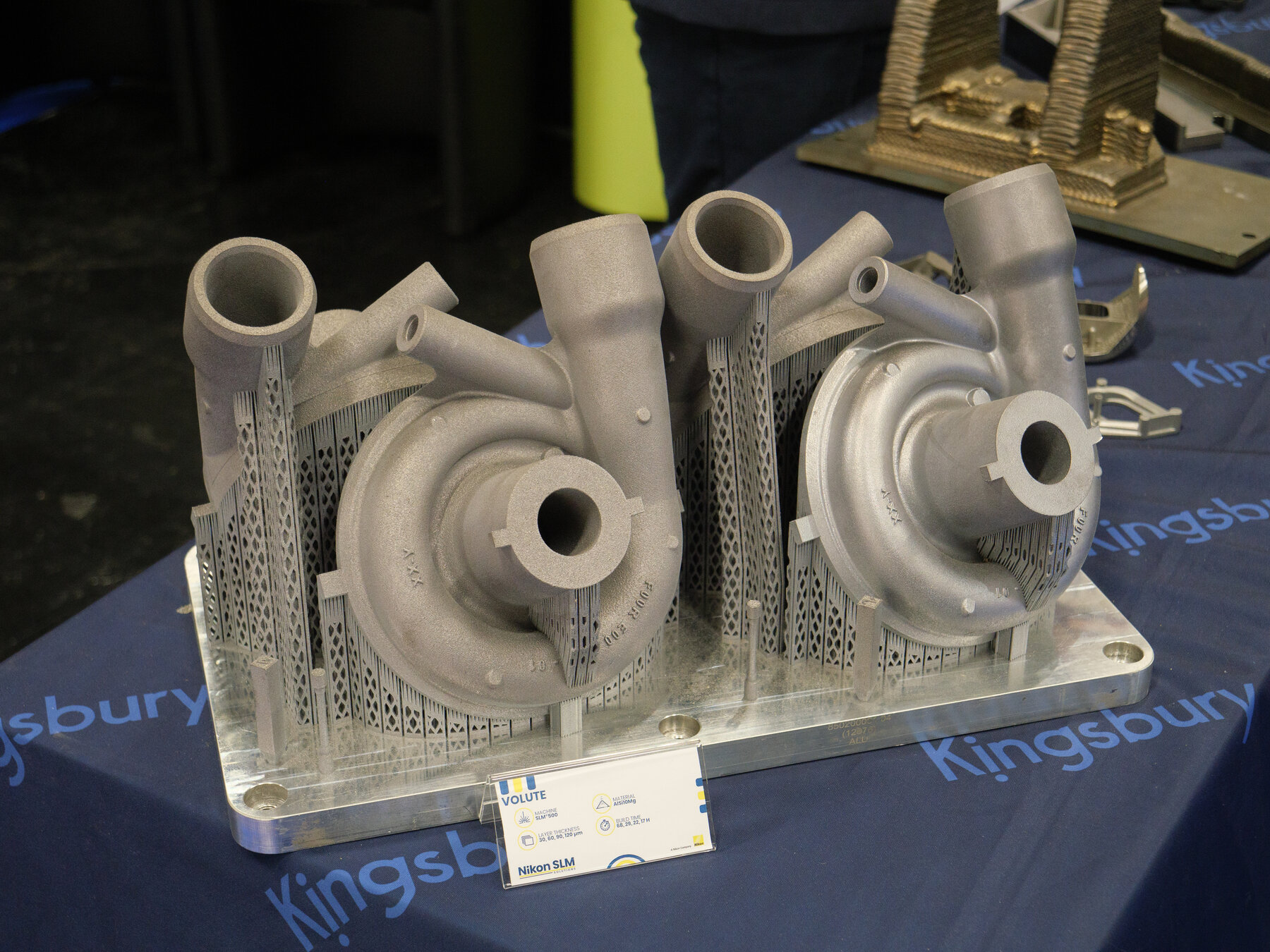
Same week on the aluminum powder side, NUST MISIS reported an Al–Ca LPBF alloy hitting about 366 MPa tensile strength with 30% elongation—another reminder that alloy design and print windows move together.
For N23D, the bar stays one native Rust binary and a materials digital thread that owns alloy cards, LPBF parameter sets, and as-printed results back to the geometry you ship—so a 500 W GRCop-42 win is auditable data, not a one-off lab anecdote.
Sources/References
- Washington State University — Researchers use AI to ‘democratize’ 3D printing of crucial metal alloy (September 14, 2026)
- Phys.org — AI finds six ways to print rocket-grade alloy on commercial 3D printers (August 24, 2026)
- NUST MISIS — Five times more ductile: calcium-enhanced aluminum alloy for 3D printing (September 16, 2026)
- N23D — MAT stack page
- N23D — CAM stack page
- N23D — CAD stack page