Dassault Systèmes shipped ENOVIA R2026x FD04 on the cloud on October 2, 2026—Gen 7 AI plus more than 175 role-based enhancements. Document Management adds an AI Generate Summary that digests a selected document and related files at a glance. New AURA competencies cover Change Management (impacts, dependencies, conflicts), Engineering Product Management (generative EBOM, completeness, release-readiness), and Product Portfolio Management (variability and configuration rules).
That stack matters because industrial PLM is being judged as a decision system, not a document vault. Change impact before the ECO lands, EBOM completeness before release, and portfolio config rules that match demand are the daily fights for engineering and BUS governance—not another search box over PDFs. CAD geometry only pays off when the lifecycle around it can answer those questions in context.
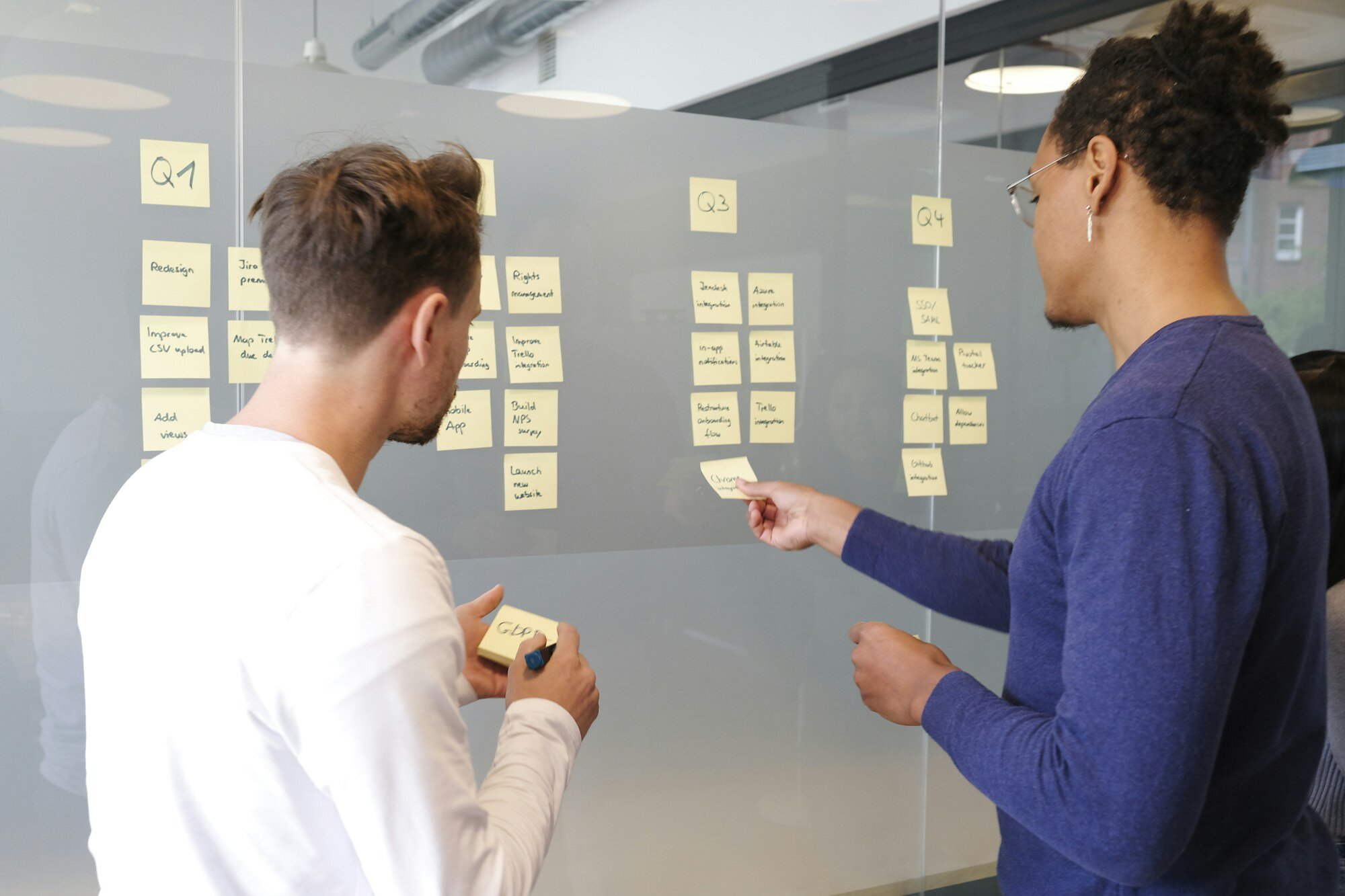
On scheduling, Project Planner now assigns work as percent allocation instead of assuming every assignee is 100% occupied for a task’s full duration. The scheduler also permits concurrent tasks for the same person when combined capacity stays at or under 100%—eliminating the false conflicts that earlier releases raised whenever efforts overlapped.
Supplier Item Manager adds a product-level Supply Definition that consolidates approved manufacturer list (AML) selections for every buy-intent component into one document. Sourcing and engineering get a single reference for procurement intent instead of chasing AML decisions part by part across the structure.

The same race shows up across the category. Siemens’ October 1, 2026 Teamcenter blog on AI in PLM frames the job as turning connected lifecycle data into product lifecycle intelligence—and cites the 2026 Gartner Critical Capabilities for PLM Software in Discrete Manufacturing Industries report, where Siemens scored highest in the Product Lifecycle Intelligence use case. Context, not the lead: vendors are converging on AI that understands structures, changes, and dependencies—not generic chat.
For N23D, the bar is plain English: change impact, generative EBOM completeness, portfolio variability, supplier AML, and schedule truth belong in one native Rust binary with CAD and BUS—a real PLM surface, not bolted-on chat over a vault.
Sources/References
- Dassault Systèmes — What’s New in ENOVIA R2026x FD04 (October 2, 2026)
- Siemens — AI in PLM: Turning product data into product lifecycle intelligence (October 1, 2026; Susan Zimmerlee)
- N23D — PLM stack page
- N23D — CAD stack page
- N23D — BUS stack page