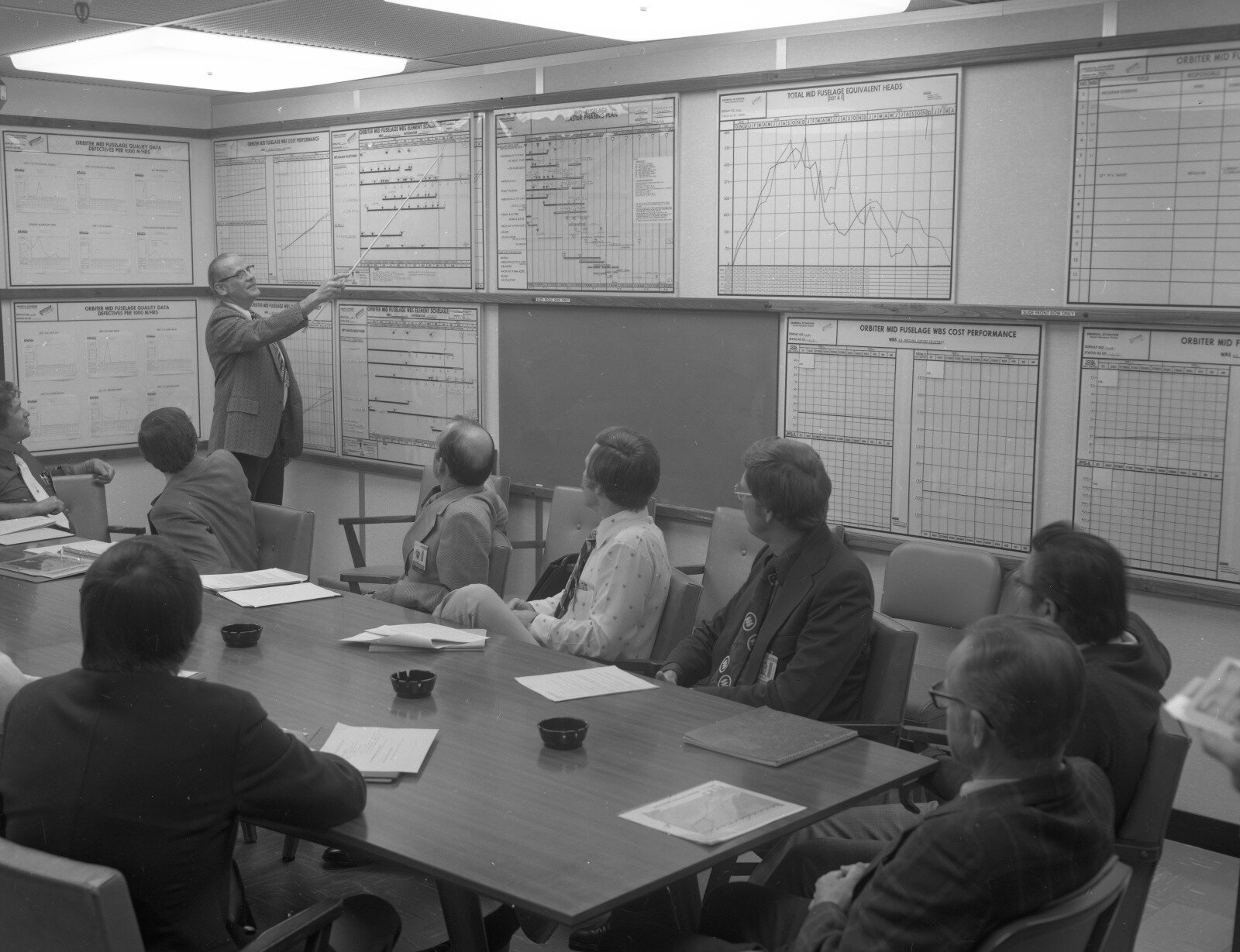
ARIS and The Hackett Group released their 2026 Process Context Study on October 1, 2026, based on a survey of more than 200 senior leaders at Global 2000 companies. Organizations with strong process context were five times more likely to report successful AI outcomes. Yet only 22% said they have comprehensive, real-time visibility into their end-to-end processes, and 59% called their process visibility fragmented across systems and functions.
Governance is thinner still. Only 34% are confident they can govern AI-driven decisions, 18% have a mature enterprise-wide AI governance framework, and at 46% of organizations accountability for AI sits with IT alone. Respondents named cost, data quality, and organizational silos as more than 70% of the main obstacles. In a plant, that is the difference between the approval chain drawn on a slide and the one that actually routes an engineering change or a purchase order.
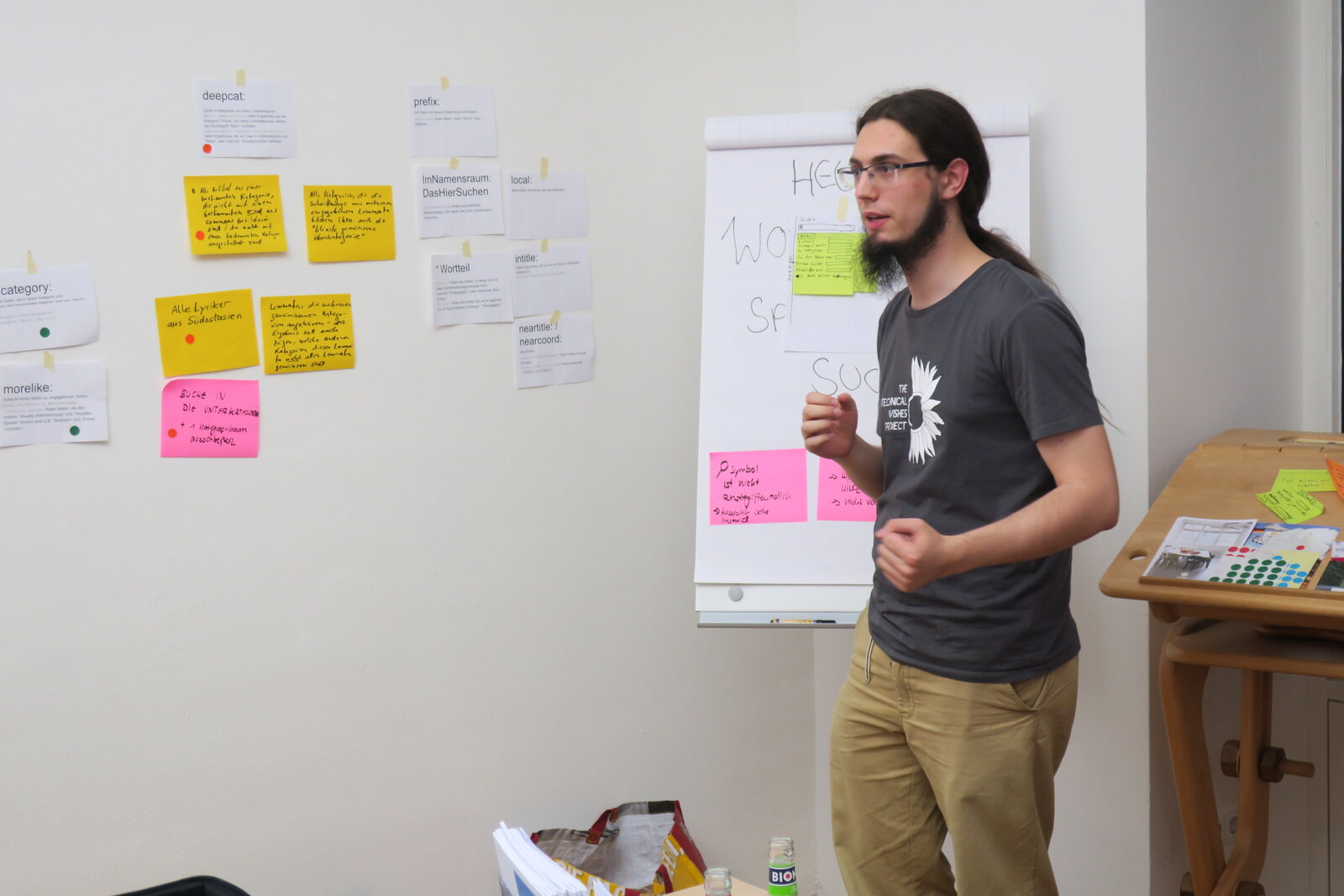

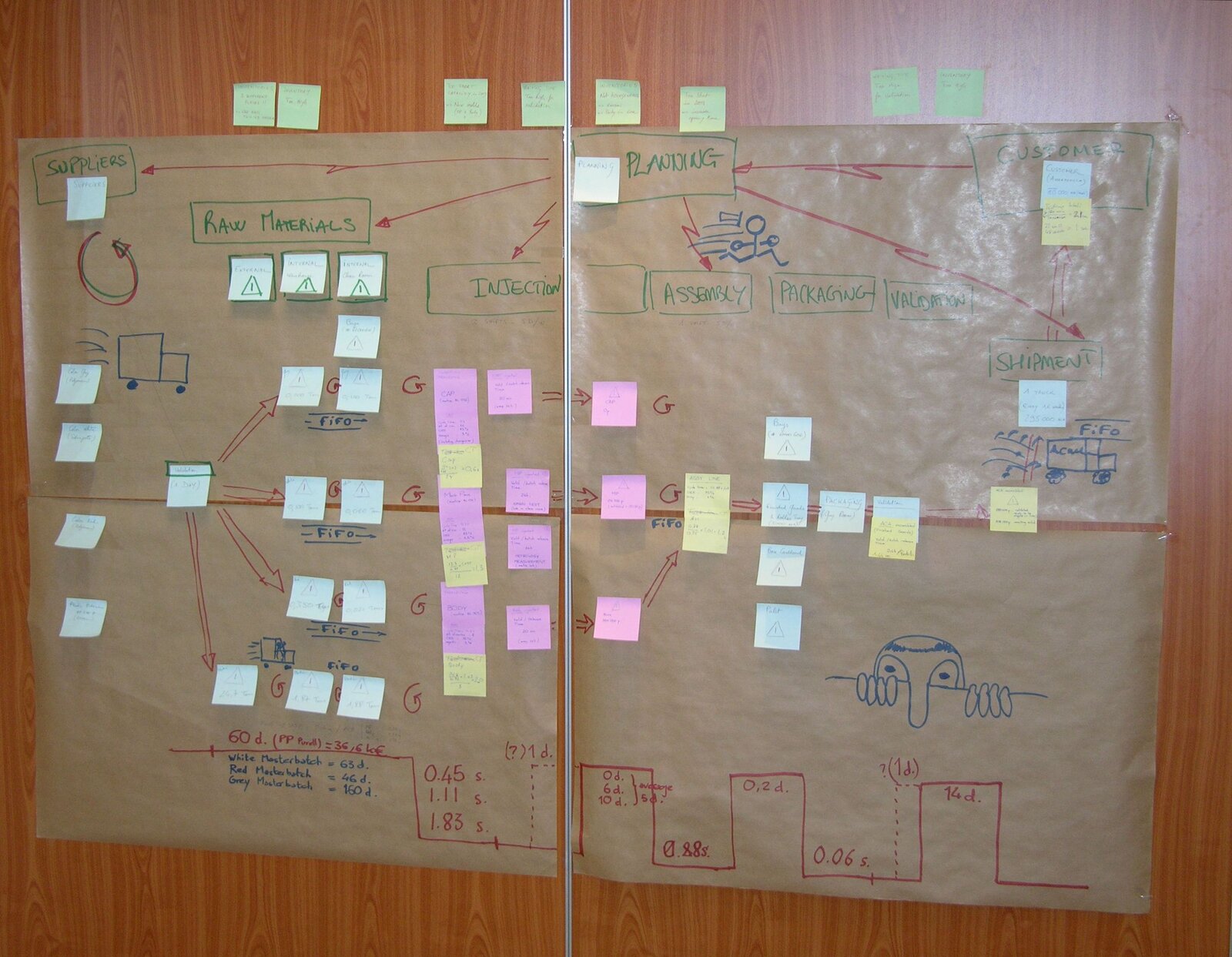
Vendors are trying to close that gap inside one tool. ProcessMind 2026.09, released September 23, rebuilds the product into three layers. Process Foundation covers BPMN 2.0 modeling. Process Architecture adds landscapes and hierarchies that mirror the org structure, RACI modeling, value stream mapping, and a draft, review, and publish workflow with audit logs and role-based access. Process Intelligence handles mining, discovery, and simulation before a change rolls out.
The release notes also add an Enterprise MCP server so AI tools can read the process model directly, plus an AI assistant whose edits arrive as proposals a person must approve. Microsoft is heading the same way: message center notice MC1484591 says Process Intelligence Studio reaches general availability in Power Automate’s object-centric process mining on October 31, 2026, with one workspace of tabs, tiles, and shared filters for comparing connected processes.
.jpg)
All three point to the same order of work: model how a process should run, mine how it actually ran, name who owns each step, and only then let software agents act. But each of these products still sits beside the ERP, PLM, and MES systems that hold the real records, so the process model and the transactions live in separate databases joined by connectors and nightly loads.
That separation is what N23D’s BUS module is designed to remove. States, transitions, decisions, role-gated approvals, notifications, and the org chart sit on the same graph as the parts, orders, and changes they govern, in one Rust binary alongside PMO and ERP. When the process map and the record are the same object, a manager can see which step a change or an order is in without a separate mining project.
Sources and references
- North America Outlook — ARIS & The Hackett Group: Strong Process Visibility Makes AI Projects Five Times More Likely to Succeed (October 1, 2026)
- ProcessMind — ProcessMind 2026.09 Unites Process Design, Architecture, and Intelligence (September 23, 2026)
- ProcessMind — 2026.09 Release Notes
- Modern Workspace Pro — MC1484591: Power Automate Process Mining Adds Process Intelligence Studio (October 1, 2026)
- N23D — BUS stack page
- N23D — PMO stack page
- N23D — ERP stack page
- Featured image: Adrian Grycuk, “Value stream map,” CC BY-SA 3.0 PL, via Wikimedia Commons; inline images credited in captions.
