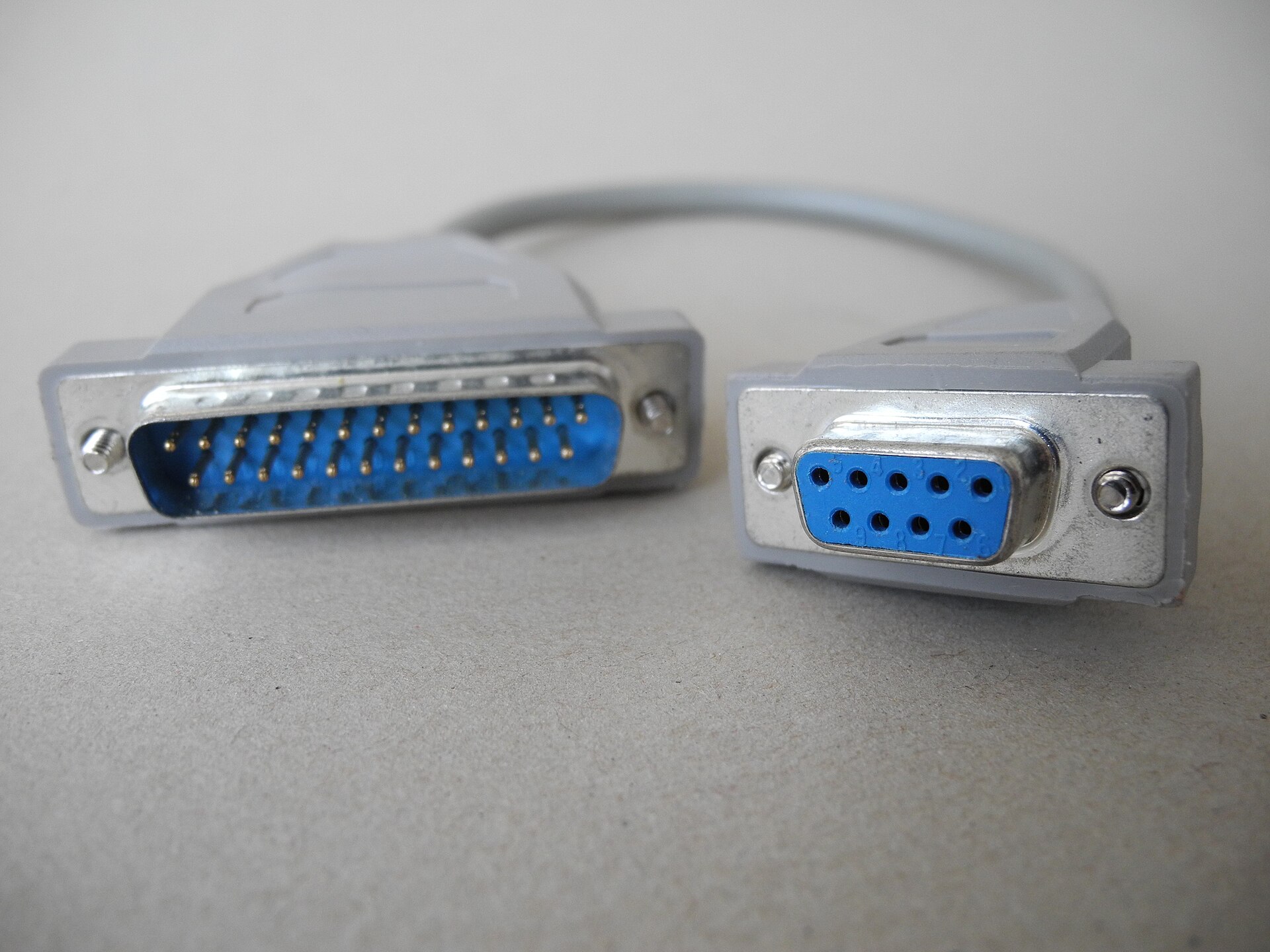
eNET Monitoring & DNC, the Greenfield, Wisconsin company that moves CNC programs between office PCs and machine controls, still sells its core DNC software as a site license rather than by the seat. eNETDNC is sold as an unlimited site license, with no extra seat fees when a shop adds machines later, and eNET says it includes phone support and software updates without yearly maintenance fees. The system is hosted locally on the shop’s own Ethernet network and talks to controls over RS-232, Ethernet or USB, and the company says it works with any type or age of CNC machine. President Steven Anderson built his first DNC system in 1988 while working as a manufacturing engineer in Milwaukee, and Port CNC has supported eNET systems for more than 25 years.
That model outlasted a major licensing change in design software. Autodesk stopped selling new perpetual licenses of most individual desktop products after January 31, 2016, and most of its Design & Creation Suites after July 31, 2016, leaving subscriptions as the way to buy new seats. Licenses bought before those dates kept working. In 2021, when eNETDNC rebranded as eNET Monitoring & DNC, Anderson said the DNC system had been around for over 30 years and that eNET had offered machine monitoring and data collection for 20 of them.

eNET is not alone. Robert McNeel & Associates, an employee-owned company founded in 1978, still lists Rhino 8 at US$995 for a single concurrent user and US$595 to upgrade any older version. McNeel’s sales page says all purchased licenses are permanent and do not expire, include support and service releases for the current version, and carry no maintenance fees. It also warns that a hardware or operating system change may mean buying an upgrade to stay compatible. Rhino is used for CAD, CAM, rapid prototyping, 3D printing and reverse engineering, and reads and writes formats including STEP, IGES, DWG and STL.
Mechanical CAD and CAM vendors that sell subscriptions still keep a buy-once option. Alibre says its lifetime licenses run indefinitely as long as the computer and operating system support them, with update and support plans optional. On data, its pricing page says, “Heck, we don’t even have a cloud.” BobCAD-CAM sells subscriptions from $500 a year, and its perpetual license is “yours to keep even if maintenance lapses.” Bricsys says a BricsCAD perpetual license costs about half of a yearly AutoCAD subscription, which is the vendor’s own comparison.

These products share a pattern. The license is owned, maintenance is a choice rather than a condition of use, and the files stay on the customer’s own machines or network. That fits shops that run equipment for decades and cannot have a control or a CAM seat stop working because a payment or a server lapsed. A permanent license still has limits. McNeel and Alibre both tie long-term use to operating system support, and most of these vendors now also sell subscriptions next to the perpetual option.
N23D is being built for the same buyer. It is designed as one native Rust binary that runs locally, sold with a permanent license, so CAD, CAM, MES and PLM keep working on a shop’s own hardware when the internet or a renewal lapses. In that design, the data lives in files the shop controls, which is the same promise that has kept DNC systems, NURBS modelers and desktop CAM seats in daily use for decades.
Sources and references
- eNET Monitoring & DNC: DNC Software (eNETDNC)
- eNET Monitoring & DNC: About eNET
- Port CNC: eNET
- Fabricating & Metalworking: eNETDNC Unveils Re-Branding, Will Now Be eNET Monitoring & DNC (June 27, 2021)
- Autodesk: Perpetual License Public FAQ
- Autodesk: Autodesk Details Next Phase of Subscription Transition (September 3, 2015)
- Robert McNeel & Associates: Rhino – Buy
- Wikipedia: Rhinoceros 3D
- Alibre: Software Pricing & Purchasing
- BobCAD-CAM: Advantage Plan vs Subscription
- BobCAD-CAM: Buy BobCAD-CAM Software
- Bricsys: The True CAD Alternative: BricsCAD V26 Arrives This October
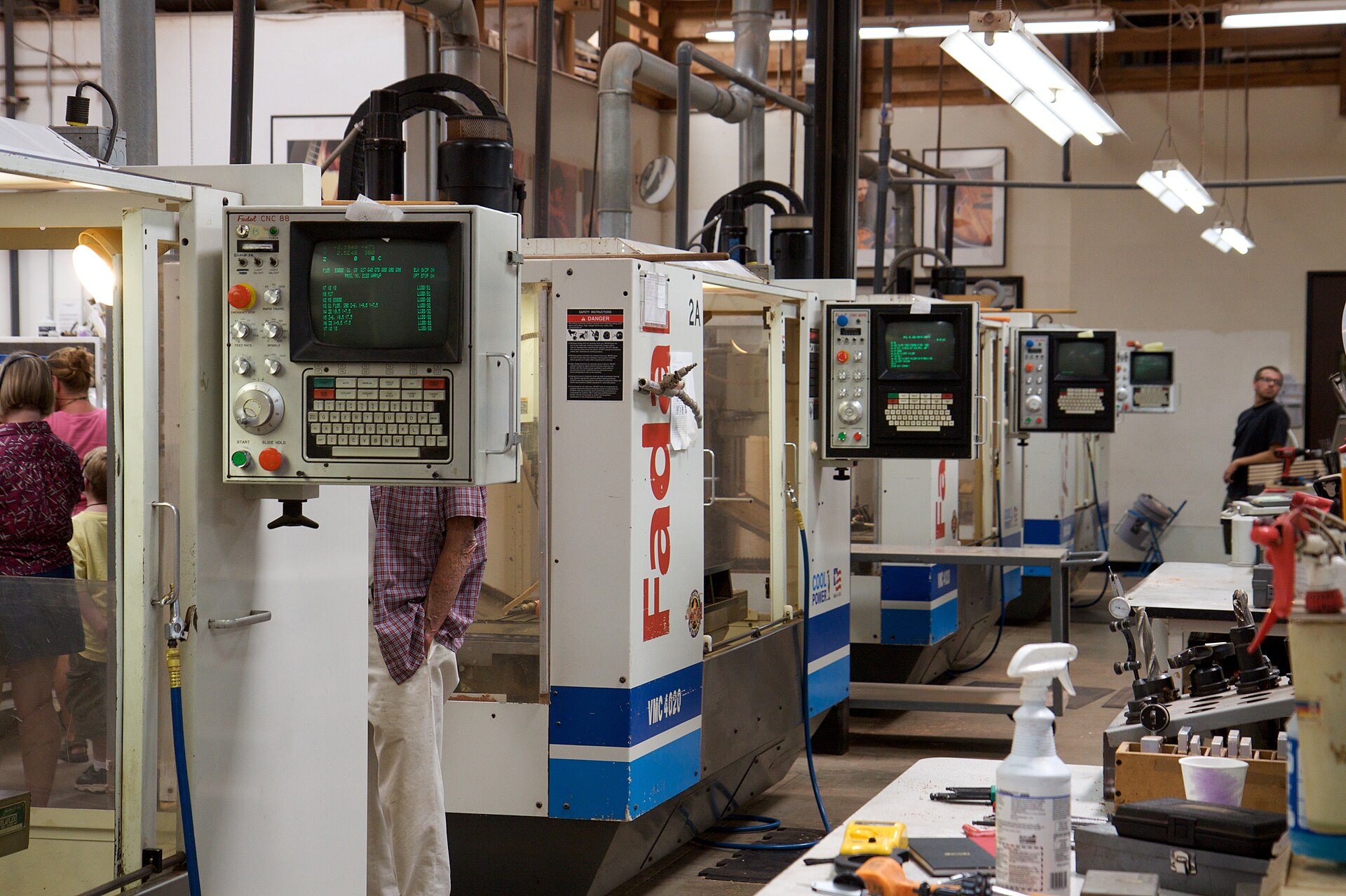
- Featured photo: Fadal VMC 4020 vertical machining centers with Fadal CNC 88 controls at the Taylor Guitars factory, by Marcin Wichary, CC BY 2.0, via Wikimedia Commons
