Microsoft retired Project Online on September 30, 2026, and the replacements are arriving. On October 8, ProSymmetry released Tempus 11.0 with built-in project scheduling. Project managers can now build a traditional work breakdown structure in the same platform that resource and portfolio leaders already use to check whether the people, skills and capacity exist to deliver the work.
That pairing is the point. In many engineering organizations the schedule lives in one tool and the capacity plan lives in another, so a plan can look fine on a Gantt chart while the two test engineers it depends on are booked three times over. ProSymmetry pitches Tempus 11.0 as one place where the work breakdown and the allocations are the same data.

.jpg)
A day earlier, Wrike went in a different direction. At Wrike Collaborate 2026 on October 7 it announced portfolio-level Gantt views with cross-project dependencies, strategic portfolio management built on Shibumi with scenario modeling, and a Project Manager Workmate. That AI agent turns unstructured briefs into project plans and Gantt timelines and watches baselines for slips. Wrike says the Workmates roll out in phases later this year.
Engineering PLM vendors are closing the same gap from the product side. Dassault Systèmes’ ENOVIA R2026x FD04, shipped October 2, changed the Project Planner scheduler so it allows more overlapping tasks as long as total capacity stays under 100%. Before, any overlap was flagged as a conflict. Fewer false conflicts means a resource plan that engineering leads can actually trust.

For manufacturers, the Project Online shutdown forces a choice they could postpone for years: move the old .mpp files to another standalone scheduler, or connect schedules to the systems that hold the real work. A design release, an engineering change, a tooling order and a first-article inspection are all schedule tasks, but they live in PLM, ERP and QMS, and portfolio views go stale when nobody updates them by hand.
That is the job of the N23D PMO module. In N23D, the schedule, the Gantt, resource capacity and the portfolio sit on the same data as CAD, PLM and the BUS workflow engine, so a released change or a late part moves the plan without anyone re-keying it. It is one native Rust application with a permanent license.
Sources
- Business Wire via FinancialContent: ProSymmetry Introduces Integrated Project Scheduling in Its Tempus Platform (October 8, 2026)
- Wrike: Wrike Expands Work Delivery Capabilities with Agentic AI Integration (October 7, 2026)
- Dassault Systèmes blog: What’s New in ENOVIA R2026x FD04 (October 2, 2026)
- ProSymmetry
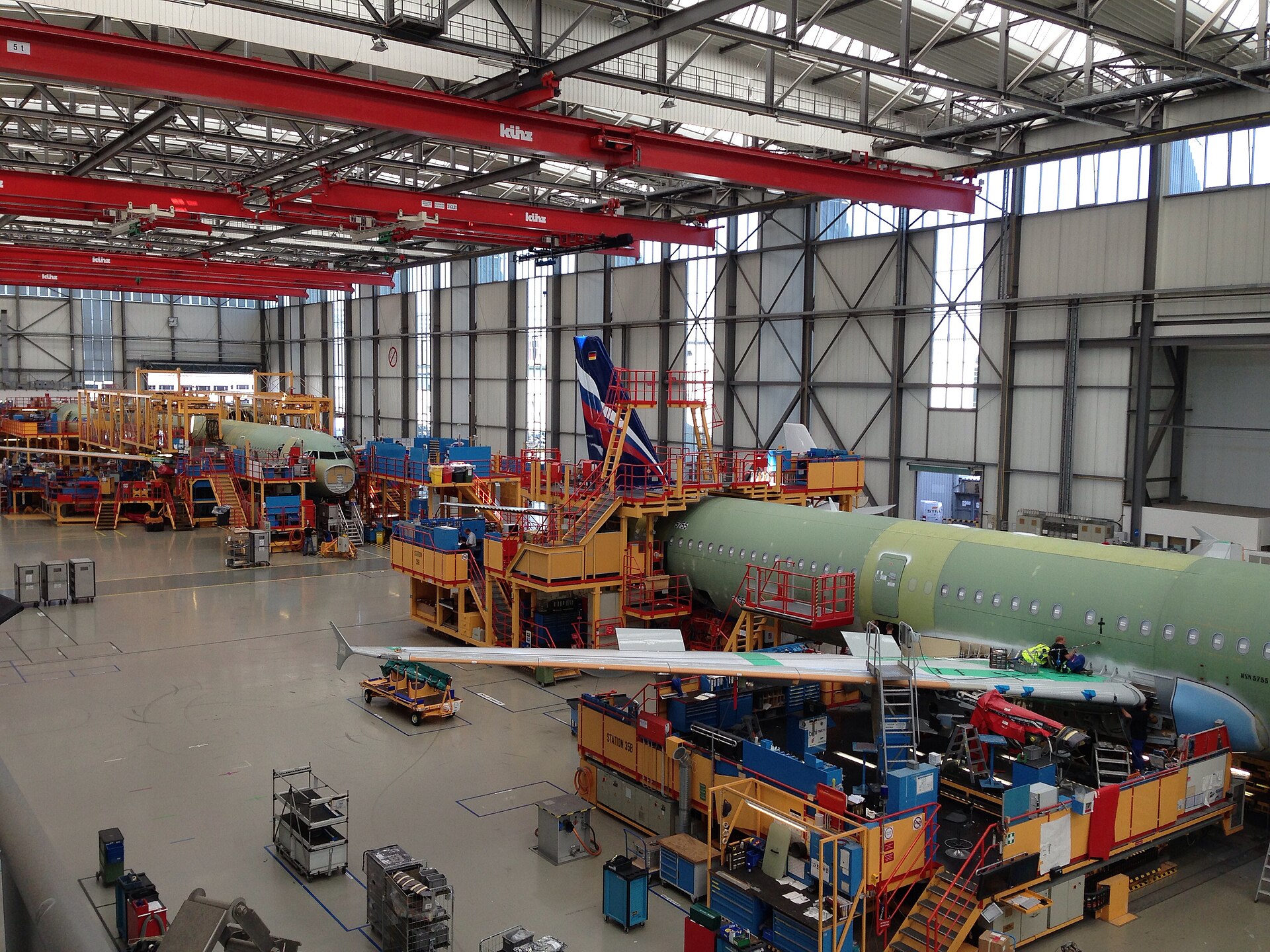
- Featured photo: A321 final assembly line at Airbus Hamburg, by DearEdward, CC BY 2.0, via Wikimedia Commons
.jpg)