Every plant running separate PLM, ERP and MES systems also runs a fourth product nobody bought on purpose: the integration between them. It is a pile of middleware jobs, CSV exports, field mappings and a scheduled task on a server under someone’s desk. It has no roadmap, no vendor and no support contract, yet every released BOM and every work order depends on it.
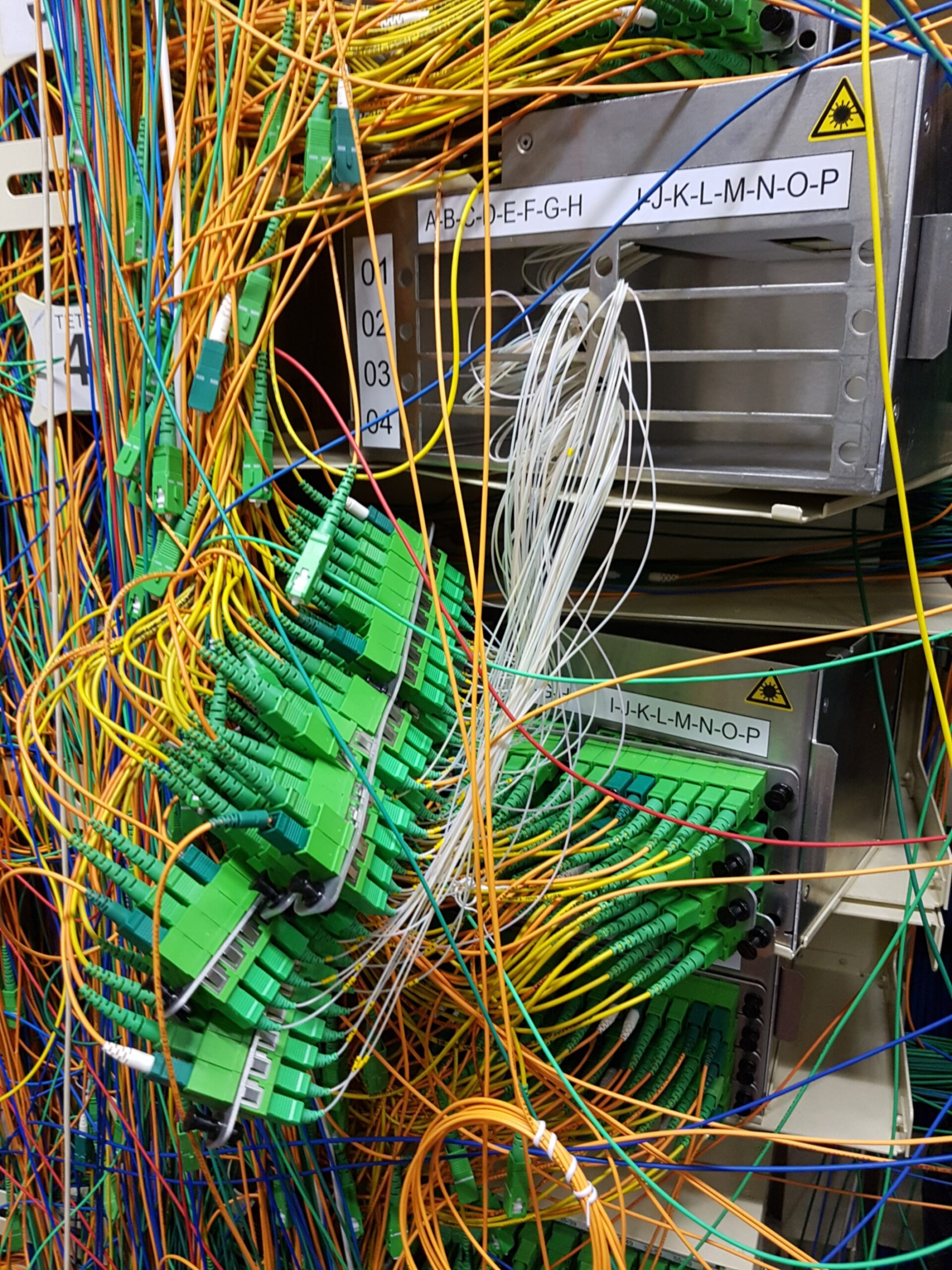
It breaks the way patch panels get messy: one reasonable change at a time. PLM adds a field in an upgrade, ERP renames a unit of measure, MES gets a new routing step, and the sync quietly drops what it does not recognize. Nobody notices until a shop floor builds to a BOM that engineering changed last Tuesday. Then the vendors point at each other, because each one’s software works fine on its own.
That is the integration tax, and with thirteen systems it compounds. You pay it in license seats for connectors, in consultants who rebuild mappings after every upgrade, and in the engineer who spends Friday reconciling part numbers instead of designing parts. The honest pass/fail test is simple: when a revision is released, does every downstream system know within a second, without a nightly job? Most stacks fail.
N23D removes the fourth product instead of managing it. PLM, ERP and MES share one data model inside one native Rust binary, so a released revision is the same record everywhere, not a copy waiting to sync. One platform. Full digital thread. The best integration is the one you never have to write.
Photo: InfosReseaux, Wikimedia Commons, CC BY 4.0.
