
Autodesk’s October 2026 Fusion update (v.2706.1.14, released Oct. 21) ships AutoTimeline, a feature that takes imported geometry with no history and rebuilds it as an editable, parametric design in the Fusion timeline. Autodesk says it uses AI-assisted feature reconstruction to find the design features in a dead solid and recreate them as features you can edit. It is a Tech Preview, available only to users of the paid Fusion Design Extension. We covered the Autodesk University demo in September; this is the first time customers can actually run it.
The same release adds STEP AP242 export with product manufacturing information (PMI), so tolerances and annotations that were imported into Fusion or authored there can now leave in a standard CAD exchange format. STEP export can also carry user coordinate systems, although that setting is off by default. Autodesk also set a hard date for Mac users: at the end of March 2027, Fusion will need an Apple silicon Mac to stay current, and Intel Macs will stop getting updates and support.

The other big addition is System Modeler, a visual scripting tool where engineers connect nodes on a canvas instead of writing code. It ships with four built-in packages (Base, System, Design and Manufacture) for jobs like applying parameter changes across components or generating CAM setups from templates, and it supports loops, conditional logic and reusable subgraphs. Autodesk says it requires the Fusion Manufacturing Extension. The API also grows, with full support for rib and web features, parting-line draft, more inspection analyses and much more drawing automation, including title blocks, dimensions and revision tables.
Autodesk Assistant can now edit many bill-of-materials rows at once from a plain-language request, for example to prepare a BOM for an ERP handoff, and every override is marked in the BOM. On performance, Autodesk claims large nested assemblies open, save and edit up to 35% faster, and legacy assemblies open up to 80% faster after a one-time cleanup, measured on customer datasets. Several designers can now use Edit in Place on different parts of one assembly at the same time. Task boards linked to designs are rolling out over two weeks.

Fusion is not alone. SOLIDWORKS Design R2026x FD04 added Model Variability, which drives product variations from one master assembly through a single table, plus AI checks from its LEO assistant that test models and drawings against release checklists. PTC’s Onshape has its FeatureScript MCP Server, which lets AI chat tools write reusable custom features. For buyers, the catch is the same across all three: the new automation sits behind add-on licenses, previews or cloud platforms, and a rebuilt feature tree still needs an engineer to check it against the original geometry before anyone releases it to PLM.
N23D is being built in Rust with the same goals but without the add-on toll. Its codebase already includes its own STEP AP242 reader and writer, automation is meant to be part of every seat, and any feature history created from imported geometry gets its own revision with a clear record of whether a person or software produced it, so it can be checked and approved before release.
Sources
- October 2026 Major Product Update: What’s New, Autodesk Fusion Blog (Oct. 21, 2026)
- Introducing Autodesk System Modeler, Autodesk Fusion Blog (Oct. 2026)
- Create Product Variations with Model Variability in SOLIDWORKS Design R2026x FD04, SOLIDWORKS Blog (Sept. 23, 2026)
- What’s New in SOLIDWORKS Design R2026x FD04, SOLIDWORKS
- PTC Advances Leadership in AI-Driven Design with Launch of Onshape FeatureScript MCP Server, PTC (Aug. 13, 2026)
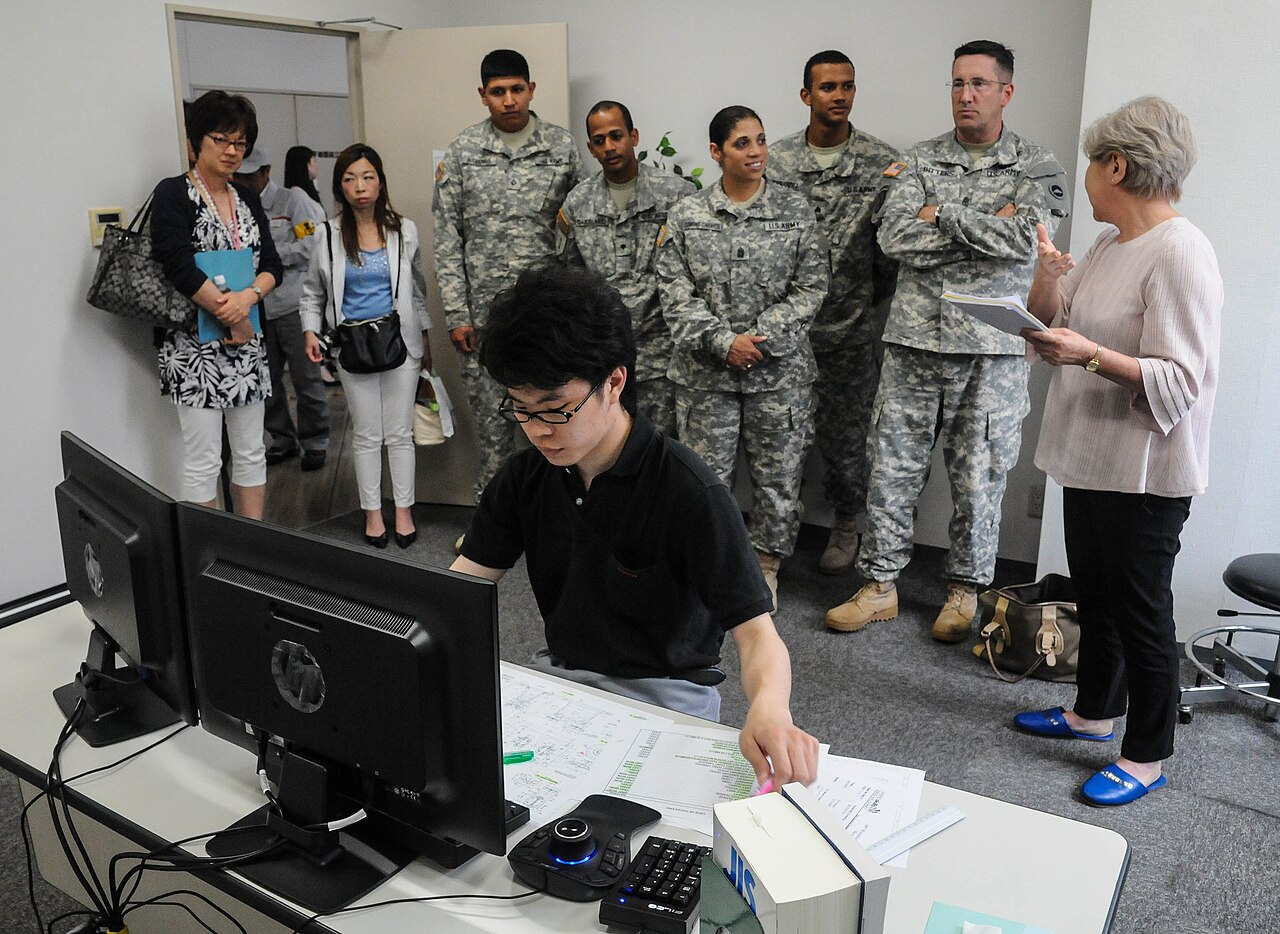
Featured photo: Nissan mechanical engineer Shogo Abe demonstrates CAD for visiting U.S. Army Japan soldiers. U.S. Army photo by Sgt. John Carkeet IV, public domain, via Wikimedia Commons.
