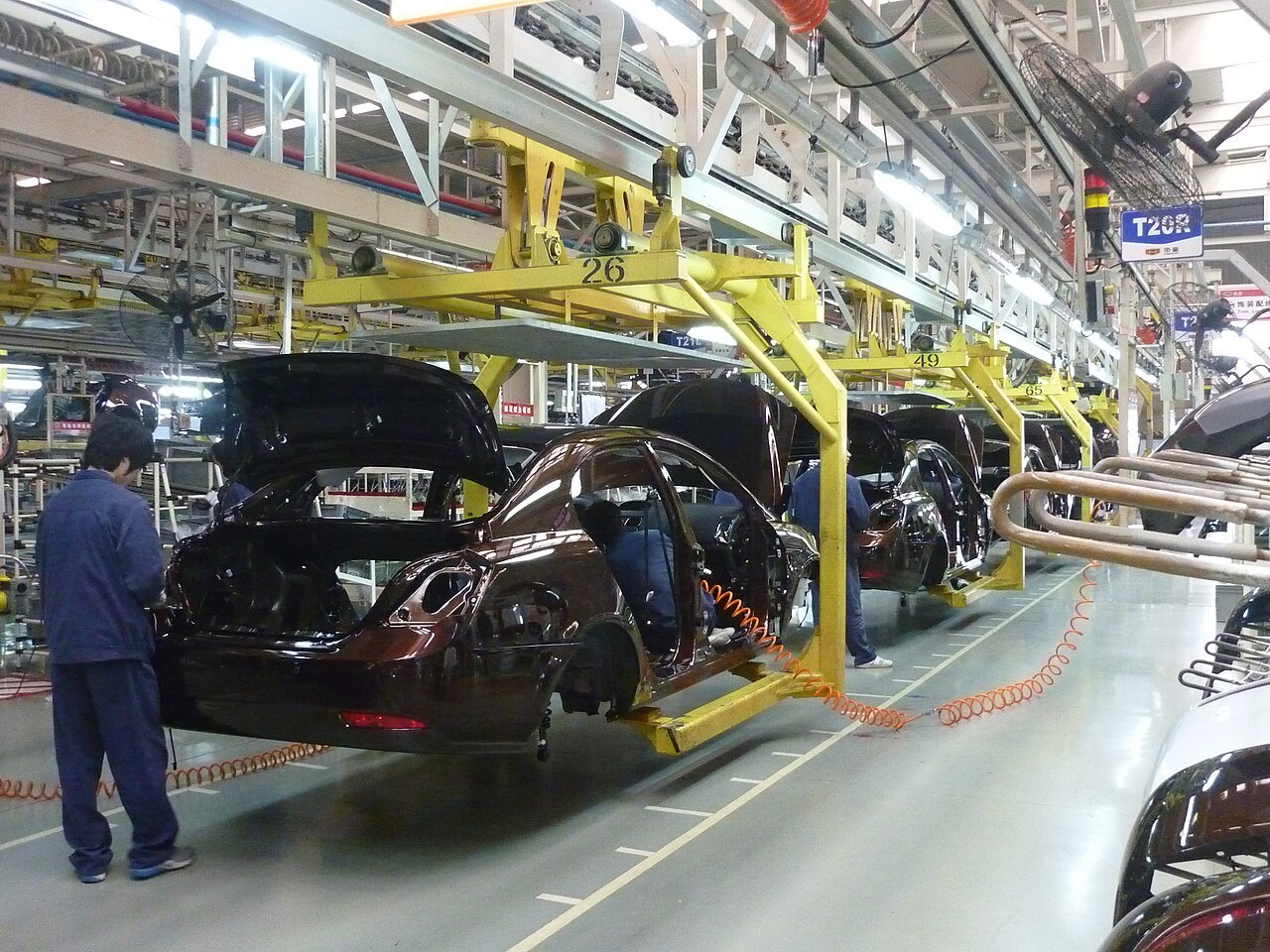
Every engineering vendor now ships an AI connector. CAD gets one, PLM gets one, ERP gets one, and each is pitched as the assistant that finally ties your work together. But an agent can only reason over what it can read, and in most plants the part number, the released revision, the routing and the open nonconformance live in different databases that have never agreed on what a part is.
So the agent does what your engineers already do. It pulls a revision from PLM, a cost from ERP, a work order from MES, and stitches them together by matching names and hoping. When two systems disagree, it does not stop and ask; it picks one and writes a confident answer. A connector bolted onto a gap does not close the gap. It makes the guess faster and harder to spot.
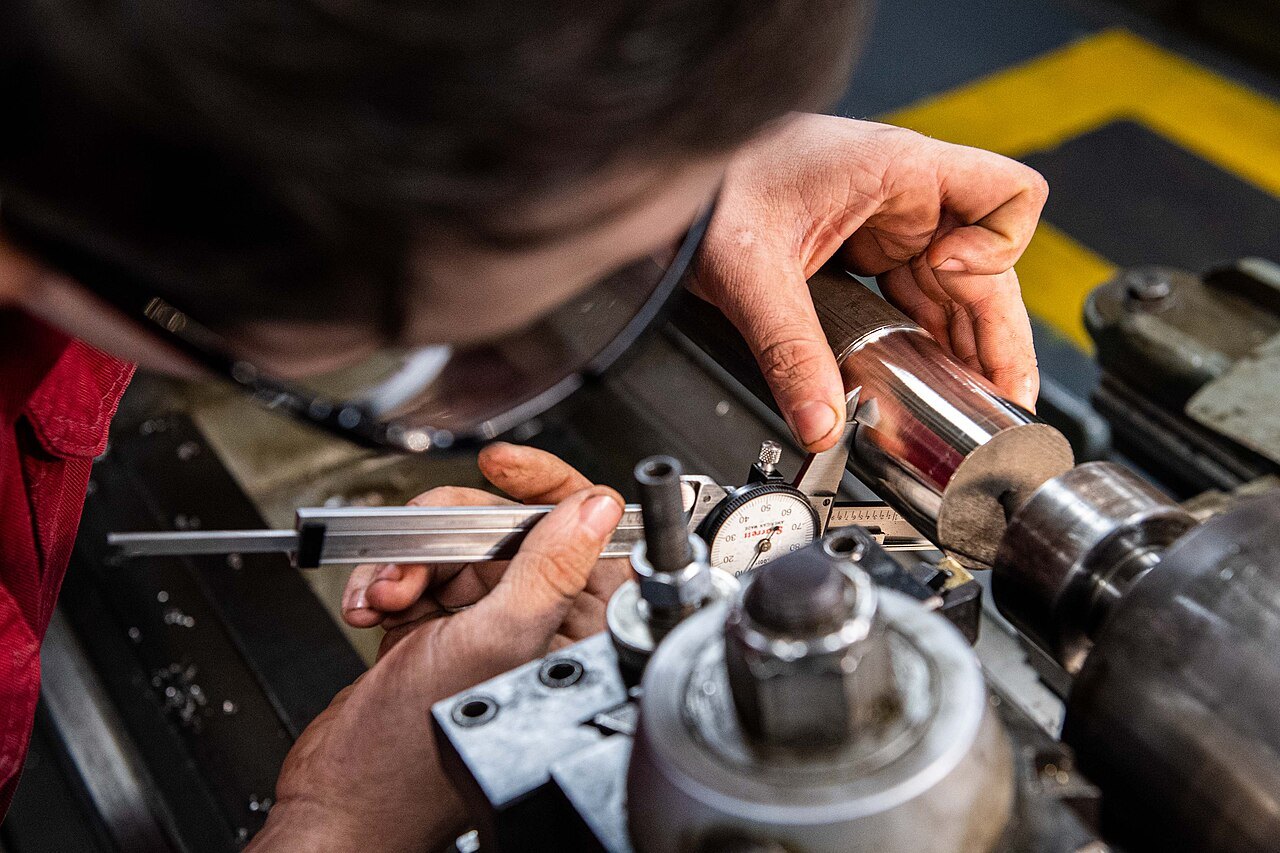
The fix is not a smarter model. It is one record underneath the model. In N23D, CAD geometry, released revisions, BOMs, routings and quality records share one part identity on one vault, in one Rust binary. An agent asking what breaks if this bolt changes reads one answer, not five exports that might line up.
One platform. Full digital thread. If your AI strategy is a connector for each of thirteen vendors, you have automated the integration problem, not solved it.
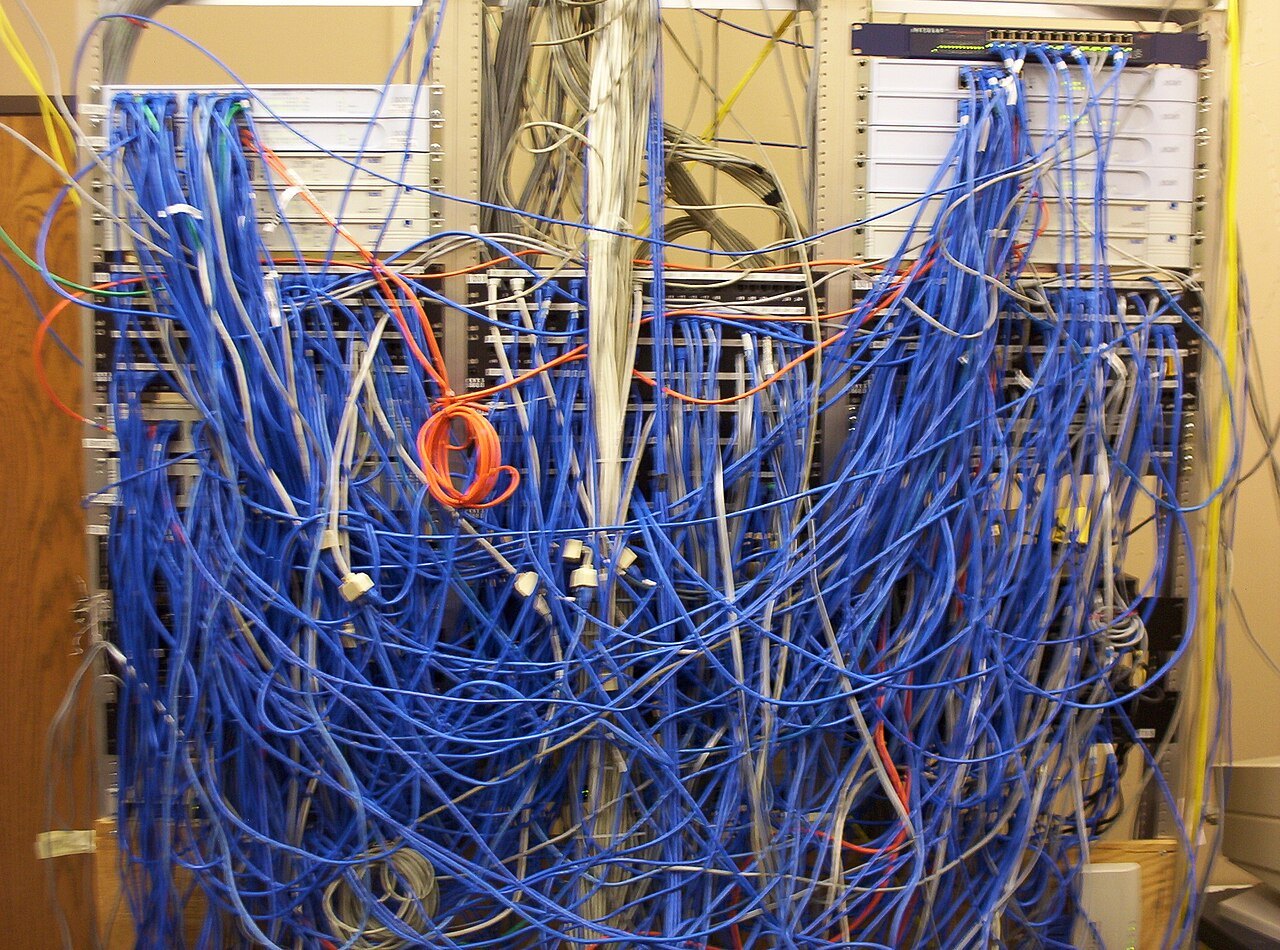
Featured photo: Cable closet, public domain, via Wikimedia Commons.