Ask any plant how many bills of materials it has for one product, and the honest answer is three. Engineering’s lives in PLM. The one purchasing buys from lives in ERP. The routing the floor actually builds to lives in MES. They matched on the day someone typed them in. They haven’t matched since.
Every change widens the gap. An engineering change swaps a fastener in PLM, somebody exports a spreadsheet, somebody else re-keys it into ERP, and the line keeps pulling the old part from the bin until a shortage or a nonconformance catches it. Vendors call the fix “integration.” In practice it’s a connector that breaks on the next upgrade, a nightly sync nobody watches, and a planner reconciling two screens on a Friday afternoon.
That isn’t a people problem. It’s an architecture problem. When three vendors each own a copy of the product structure, the copies drift, and you pay all three for the privilege of reconciling them. You can’t integrate your way out of a design that stores the same truth three times.
N23D keeps one product structure. The engineering BOM in PLM, the buy list in ERP and the work order in MES are views of the same records in one Rust binary, so a released change is already the change purchasing buys and the floor builds. Nothing to export, nothing to re-key, nothing to sync. One platform. Full digital thread.
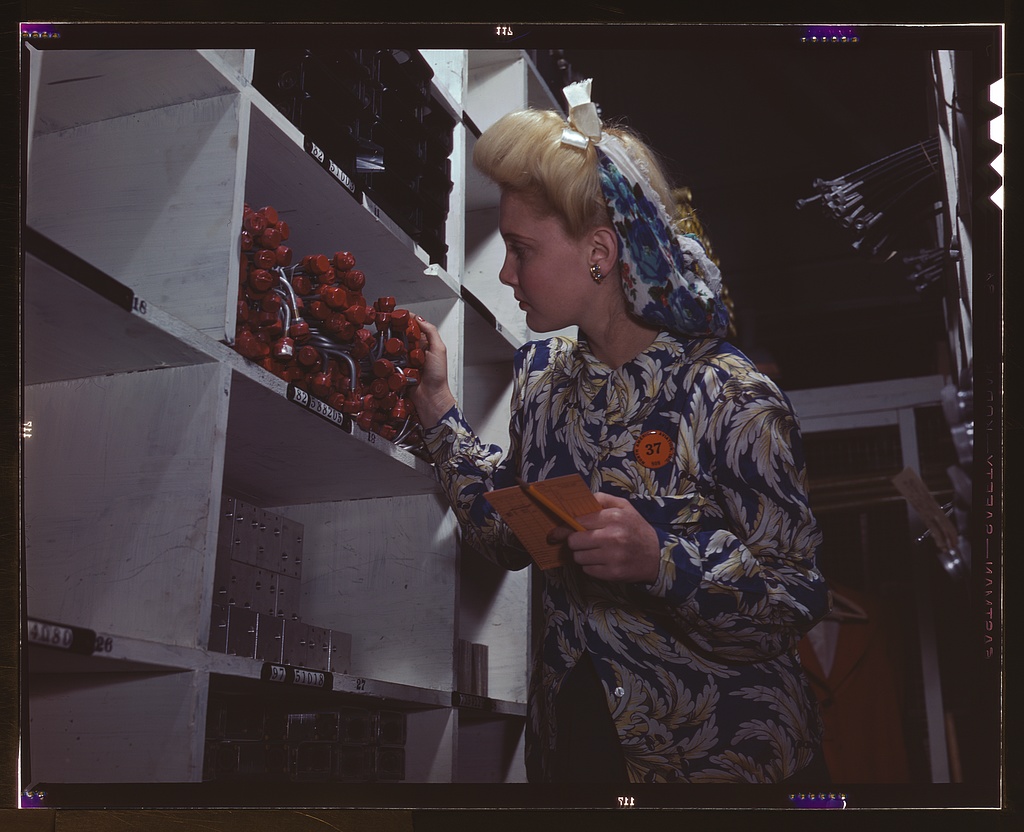
Featured photo: a clerk in one of the stock rooms of North American Aviation, Inc., Inglewood, Calif., checking that the proper numbers of parts were received and placed in the proper bin. Alfred T. Palmer, Office of War Information, via Wikimedia Commons (public domain).