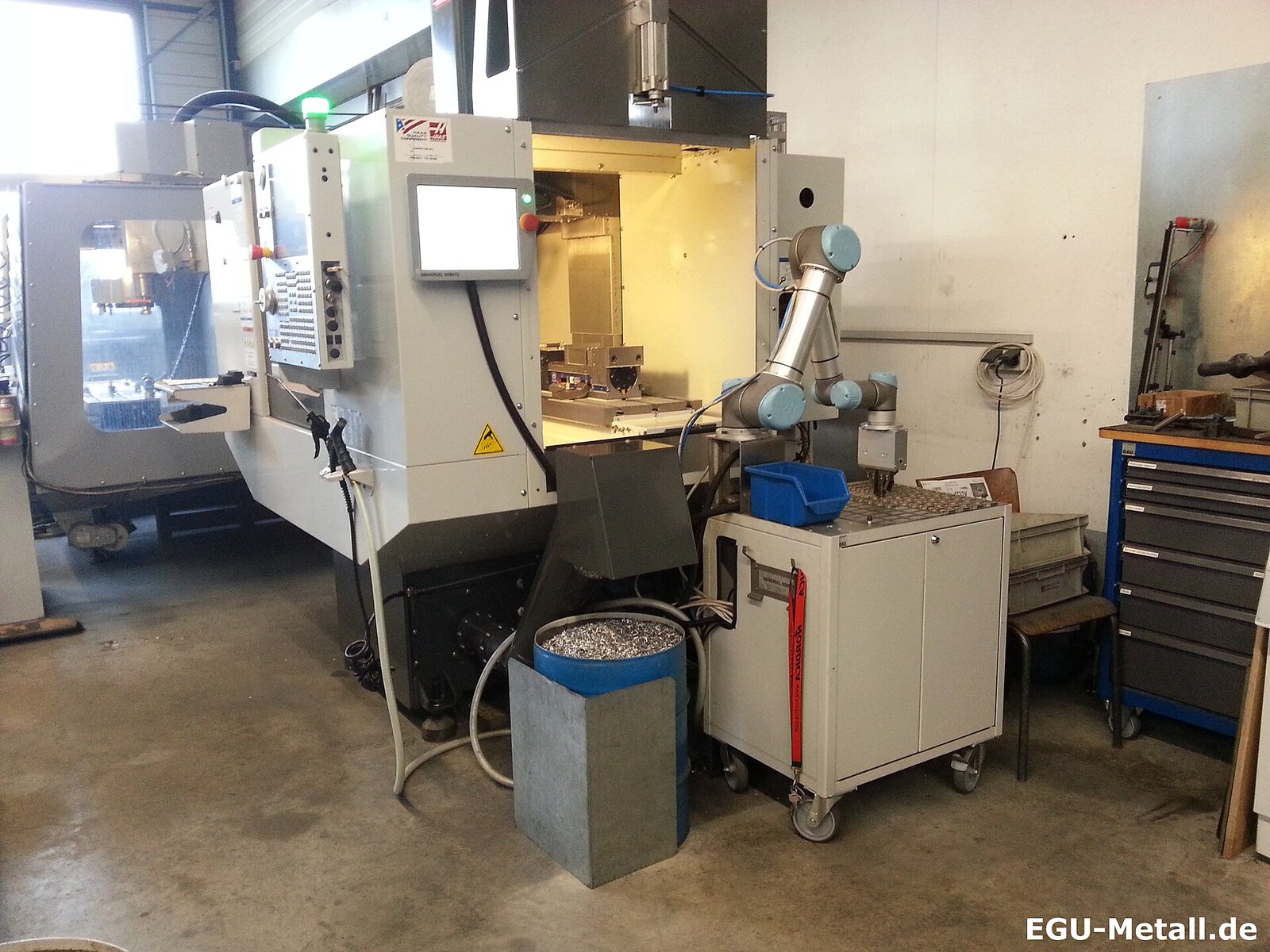
Modern Machine Shop published today (September 16, 2026) on the show-floor story that is defining IMTS week for programmers: Cimatron’s CAM Agent, developed with Limitless Labs, analyzes part geometry and the shop’s available tool libraries to generate complete three-axis toolpaths. IMTS 2026 runs September 14–19 in Chicago; Cimatron is in booth #133255. This is not another chat pane bolted onto a post processor—it is an agentic machining-strategy layer meant to eat the repetitive work that still bottlenecks every CAM seat.
Cimatron’s own release frames the agent as a way to turn programming knowledge into faster, more consistent CNC programs. Global product director Simone Bonino says it frees experienced programmers for complex work, brings less-experienced staff up to speed sooner, and expands programming capacity on the resources shops already own. The agent recognizes machining requirements, recommends strategies, and handles the repetitive path building that used to burn hours before a first chip flew—while still accounting for the specific geometry, tooling, and job requirements on the screen.
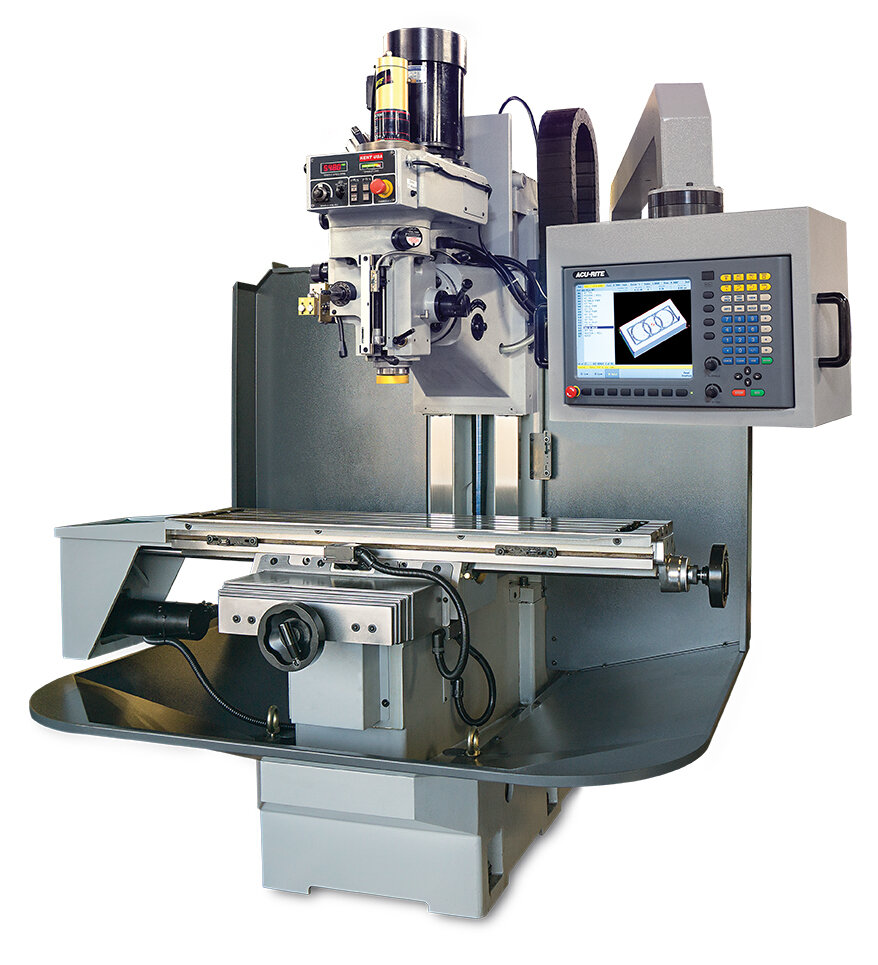
Two companion technologies travel with the Agent at the show. Cimatron SuperFinish, built with ModuleWorks, calculates finishing toolpaths from exact surface geometry instead of a mesh approximation—targeting uniform, mirror-like milled surfaces without stretching cycle time. FeedOptimizer then uses tool, machine, and material data to vary feed rate through the path so shops can cut cycle time, protect tools, and keep spindle loads honest. Cimatron 2027 also lands with mold-and-die, electrode, wire EDM, machine simulation, and assembly-data updates for the same programming desks.
The Limitless Labs side of the story is bigger than one OEM badge. Limitless’s IMTS debut (Booth 237605) claims up to 50% CNC programming-time cuts without swapping CAM systems, tooling, or shop workflows. Its agent sits inside Siemens NX, Mastercam, and PTC Creo; customer deployments cite two-hour programs finishing in under ten minutes. The company lists Sandvik and Iscar among production users and a $20 million Series A (Dell Technologies Capital and Square Peg co-led) that brings total funding to $27.3 million.
The talent math is why show floors are listening. Limitless cites about 409,000 unfilled U.S. CNC programming seats today and a projected gap near 1.9 million by 2033, with knowledge retention ranked as a top manufacturer concern. The pitch is not to fire programmers—it is to scale the shop’s best practices across every new part while programmers still review, edit, and approve native operations inside the CAD/CAM systems they already trust, feeding capacity that shows up in MES-class throughput.
For N23D, IMTS week is a clear signal: CAM AI is being sold as agents that read geometry, honor tool libraries, and leave editable ops inside incumbent seats. N23D’s contract stays one native Rust binary and a digital thread that keeps toolpaths honest to the model you own—no rented agent that drifts from the feature tree, no opaque path that cannot be audited back to the clamp and the cutter.
Sources/References
- Modern Machine Shop — Cimatron AI Solution Streamlines Toolpath Programming (September 16, 2026)
- Cimatron — AI-powered Cimatron CAM Agent among new technologies to debut at IMTS 2026
- PR Newswire / Limitless Labs — Enterprise Manufacturers Cut CNC Programming Time by Up to 50% (August 27, 2026)
- N23D — CAM stack page
- N23D — CAD stack page
- N23D — MES stack page