Planisware, the Paris company whose software runs project portfolios for engineering and R&D organizations, reported third-quarter revenue of €57.4 million on Oct. 23, up 15.6% from a year earlier. Recurring revenue was €51.7 million, or 90% of the total. The company also shipped version 26Q4 of its platform, with new Agile-at-Scale features, more portfolio and resource management tools, and an assistant called Oscar that writes formulas from plain-language requests.
The bigger bet is Prisma, an AI agent for portfolio and resource work that entered beta at the end of the third quarter. Planisware says commercial release will come by the end of the first quarter of 2027, and that it will start counting Prisma revenue from then. On Oct. 29 it described the job Prisma is aimed at: the PMO staff who spend days pulling cost, schedule and milestone data from several systems to build a status report, only to find the numbers out of date by the time the executive meeting starts. Prisma builds those reports and dashboards directly from live project data.
Cora Systems is pushing the same idea further. On Oct. 20 in Dallas it launched antaivo, which it calls autonomous portfolio intelligence. Cora’s complaint about traditional portfolio software is that a slip in week one waits for a week-five review meeting. antaivo watches schedule, cost, risk and resources continuously, explains what changed and why, and drafts a corrective action for a named person to approve. Cora, which has sold portfolio software since 1999, says the product runs alongside SAP as the system of record.
Schedulers in construction got similar tools this month. On Oct. 28 Planera announced an upcoming connector that lets Claude and ChatGPT query live critical path schedules and combine them with financial data, for example to draw cash-flow and cost-burn curves. Eleco’s Asta Powerproject 2026.3 adds schedule-health and critical-path dashboards and native add-ins for Primavera P6, and its Asta Vision service now records a new baseline revision only when the plan actually changes, not at every check-in. On Oct. 29 InEight gave a name to the progress notes, field updates and lessons learned that projects collect and never use: “digital dust.”
All of these products try to answer one question faster: where does the project actually stand? But an AI agent can only summarize the data it can reach. In most manufacturers, the schedule lives in one tool, the engineering changes in PLM, the purchase orders in ERP and the shop progress in MES. A task marked 80% complete in the schedule says nothing about whether the drawing behind it was released, or whether the parts it needs have arrived. An agent that reads only the schedule will write a confident report from the same stale numbers a person would.
N23D puts PMO inside the same Rust application that holds the product record. The Gantt chart is in the app, with dates, dependencies and percent complete, and each task links to the work it represents: the released revision, the approved change, the purchase order in ERP, the work order on the floor. When a drawing is released or a part is received, the task moves because the record changed, not because someone updated a spreadsheet. The status report is a view of the same data the engineers work in, so there is nothing to collect before the meeting.
Sources
- Strong growth driven by accelerating recurring revenue growth and sustained commercial momentum, Planisware (Oct. 23, 2026)
- Prisma in Action: Turning Live Project Data into Executive Reports and Dashboards, Planisware (Oct. 29, 2026)
- Cora launches antaivo, the portfolio that no longer waits to be asked, Cora Systems (Oct. 20, 2026)
- Planera Is Bringing Construction Schedules to Claude and ChatGPT, Planera (Oct. 28, 2026)
- Asta Powerproject 2026.3 adds built-in schedule-health and critical-path dashboards, native P6 add-ins and baseline change detection, ProjectEdge Tools (Oct. 29, 2026)
- “Digital Dust” Emerges as Industry Term for the Project Data That’s Gathered, Stored and Forgotten, InEight via GlobeNewswire (Oct. 29, 2026)
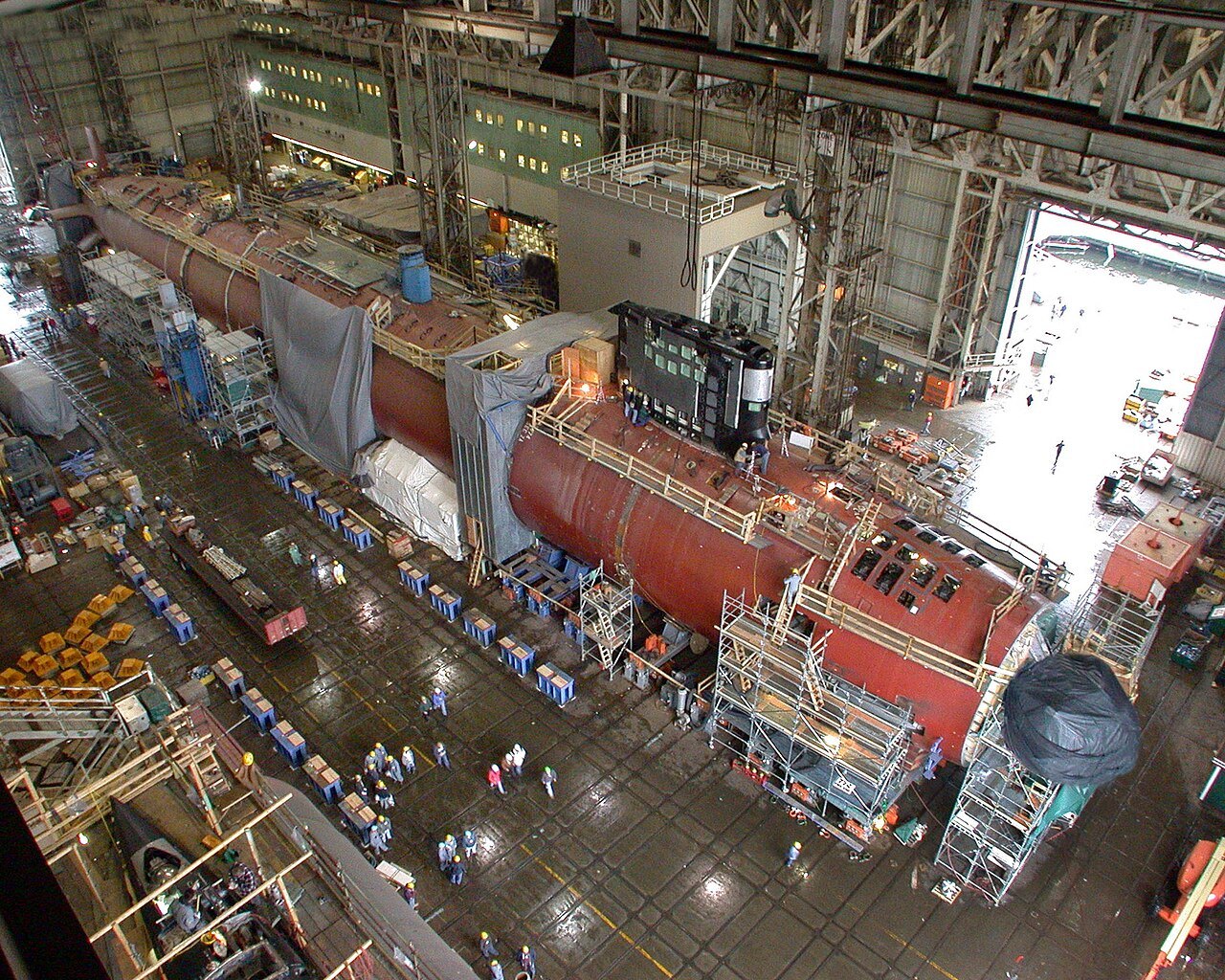
Featured photo: The attack submarine Virginia under construction at Electric Boat’s Groton shipyard in Connecticut, April 2003. U.S. Navy photo, public domain, via Wikimedia Commons.