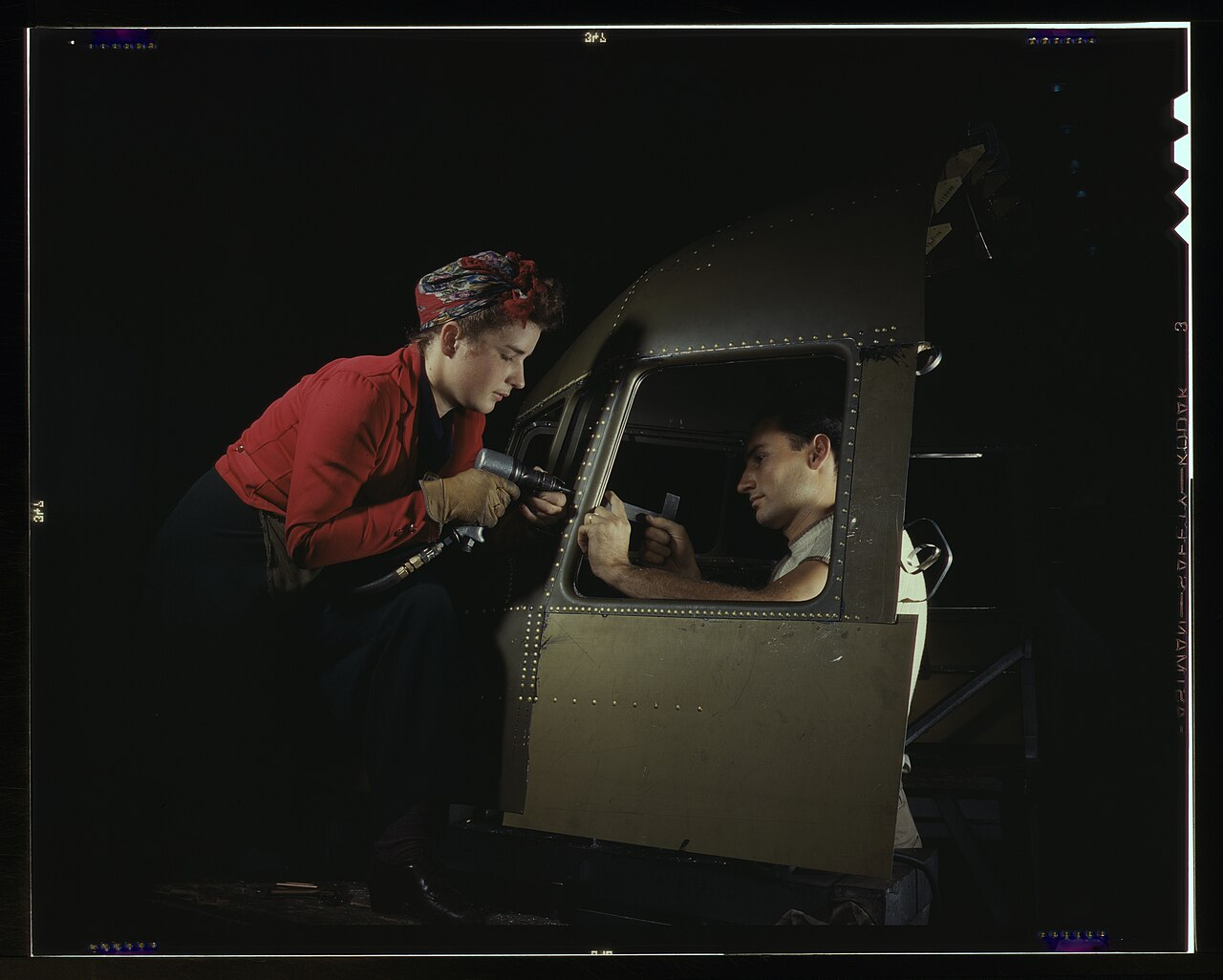
A cockpit shell is not finished when the panels line up. It is finished when every rivet is set, bucked and checked. Most CAD assemblies stop at the first part: mates that say where each part sits, and nothing about how the parts are actually held together.
That missing half gets written somewhere else. Weld symbols live on a drawing, bolt torques in a work instruction, adhesive and cure times in a supplier PDF, and inspection points in a quality spreadsheet. Change one plate thickness and none of those documents knows it has to change too.
In N23D, an assembly opens with tabs for its joining operations: welding, bolting, riveting, gluing. Each joint is a record on the same part identity as the geometry, carrying the weld process and size, the fastener and its torque, or the adhesive and its cure. The CAD model, the MES work instruction and the QMS inspection plan all read that one record.
So when a revision moves a hole or thickens a flange, every joint it touches is flagged before release, not discovered on the floor. One platform. Full digital thread. An assembly that only knows where its parts sit is a picture of a product. N23D is being built to know how it is held together.
Featured photo: A riveting team works on a cockpit shell at the Douglas Aircraft plant in Long Beach, California, 1942. Alfred T. Palmer, U.S. Office of War Information, Library of Congress. Public domain, via Wikimedia Commons.