DAB Pumps, the Italian company that builds more than 2 million motor-driven water pumps a year and sells them in 150 countries, has eliminated more than 2 million internal transactions from its books, according to Infor. The change came with its move to Infor CloudSuite Industrial Enterprise, which went live in January 2026 in Italy, Hungary and France. Five of DAB’s six production plants now run on one shared cloud ERP. Management’s stated goal was to grow beyond its €415 million turnover without adding headcount.
The interesting part is where the savings came from. They did not come from AI. DAB switched to single logistics transfer orders for moving material between its own sites, so one move is one document instead of a chain of postings. Before migrating, it also set up a single logistics structure and a common chart of accounts for every location, and it now runs material requirements planning centrally, so plants in different time zones are no longer planned one after another. Most of the gain was decided in process design, before any data was moved.
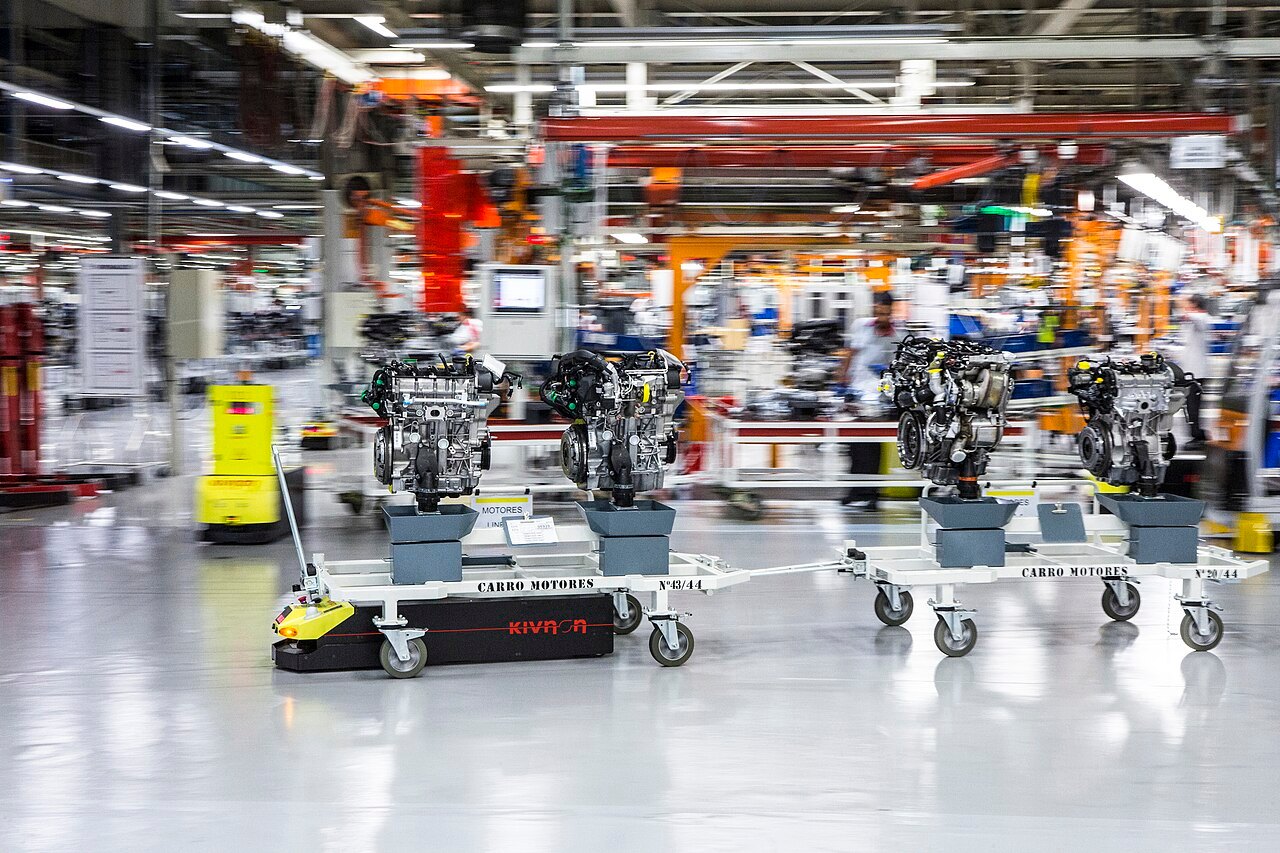
Other manufacturers are chasing the same idea. On Oct. 29, packaging and co-manufacturing company Truvant picked QAD | Redzone to put its North American and European plants on QAD Adaptive ERP, with Redzone for frontline teams and the ChampionAI agent layer on top. Truvant calls it “design once, replicate everywhere,” a template meant to bring acquired plants onto the same processes quickly, using configuration rather than custom code. Epicor’s Kinetic 2026.100 release went the other way on one detail: it split shop-load processing out of the MRP scheduling run, so planners no longer have to treat planning as one all-or-nothing job.
SAP pushed ERP all the way down to the robots. In a set of pilots described on Oct. 28, transport tasks assigned in SAP Extended Warehouse Management become robot missions at Intel’s site in Chengdu, China. At Arçelik-LG’s air-conditioner plant in Gebze, Turkey, a humanoid robot carries out and records inbound storage tasks to stop parts being put in the wrong place. Foxconn ties its autonomous asset inspections to SAP maintenance plans and sends the results back. “The robot knows why it acts, and the business system knows what happened,” said Foxconn’s head of physical AI.
Taken together, the week shows where ERP value is moving. It is less about new modules and more about two things: fewer transactions that exist only because systems were stitched together, and a tighter loop between what the plan says and what the floor actually did. That gives plant managers two questions to ask of their own system. How many postings does one physical move of material create today? And when a machine, a robot or an operator finishes a task, is that recorded once, against the order it belongs to, or re-keyed into a second system later?
N23D is built around those answers. ERP lives in the same Rust application as MES and PLM, so a work order, the parts it consumes and the moves on the shop floor are one record rather than messages passed between products. A transfer between sites is one document. When the floor reports a step done, the order, the inventory and the cost update together, and the history of who did what stays with the record.
Sources
- DAB Pumps Standardizes Cloud ERP to Support Global Manufacturing Growth, ERP Today (Oct. 28, 2026)
- DAB Pumps moves forward with standardized cloud environment, Infor customer story
- Truvant Selects QAD | Redzone to Power Global Transformation, Business Wire via CIO Influence (Oct. 29, 2026)
- Epicor Enhances Kinetic ERP With Smarter Manufacturing Planning, Financial Workflows and AI Insights, ERP News (Oct. 28, 2026)
- How Will SAP’s Physical AI Link Automation and ERP?, Manufacturing Digital (Oct. 28, 2026)
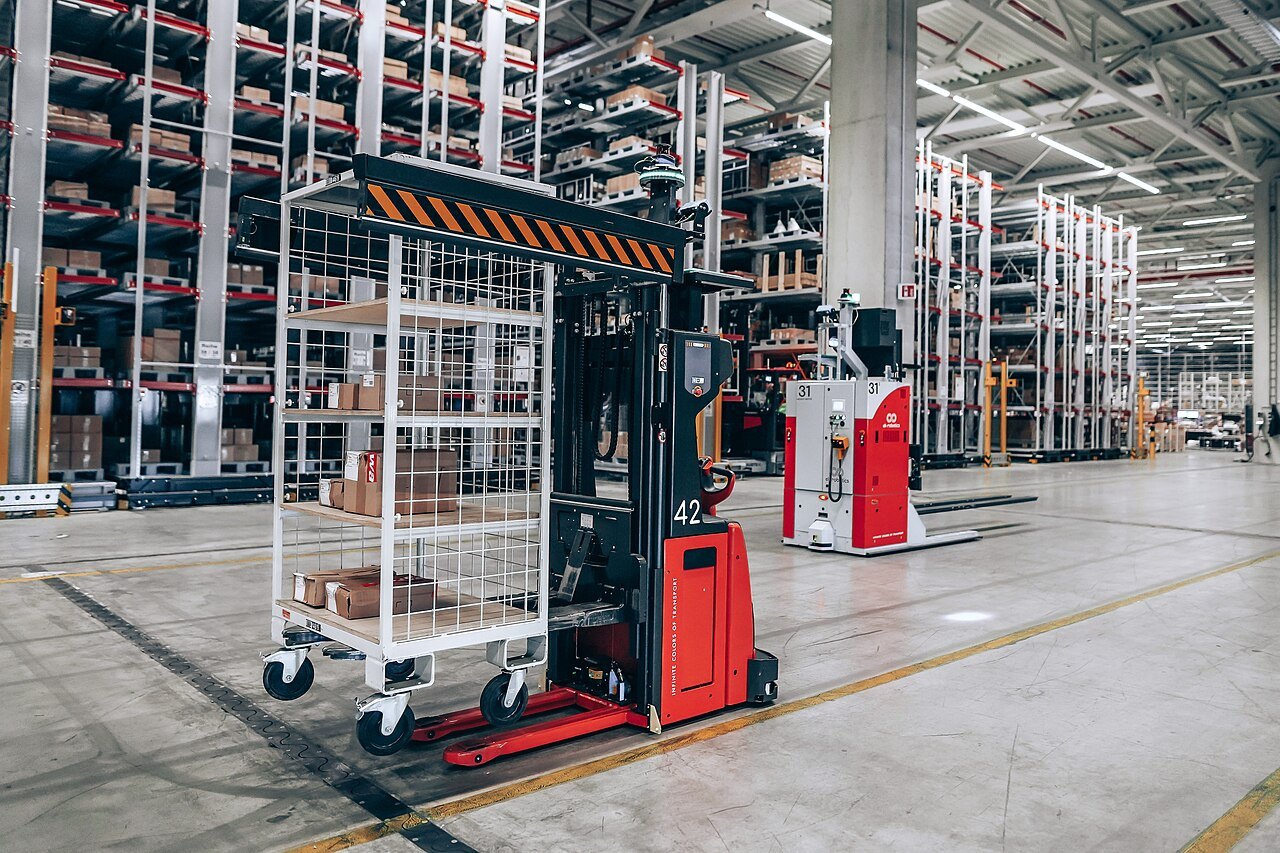
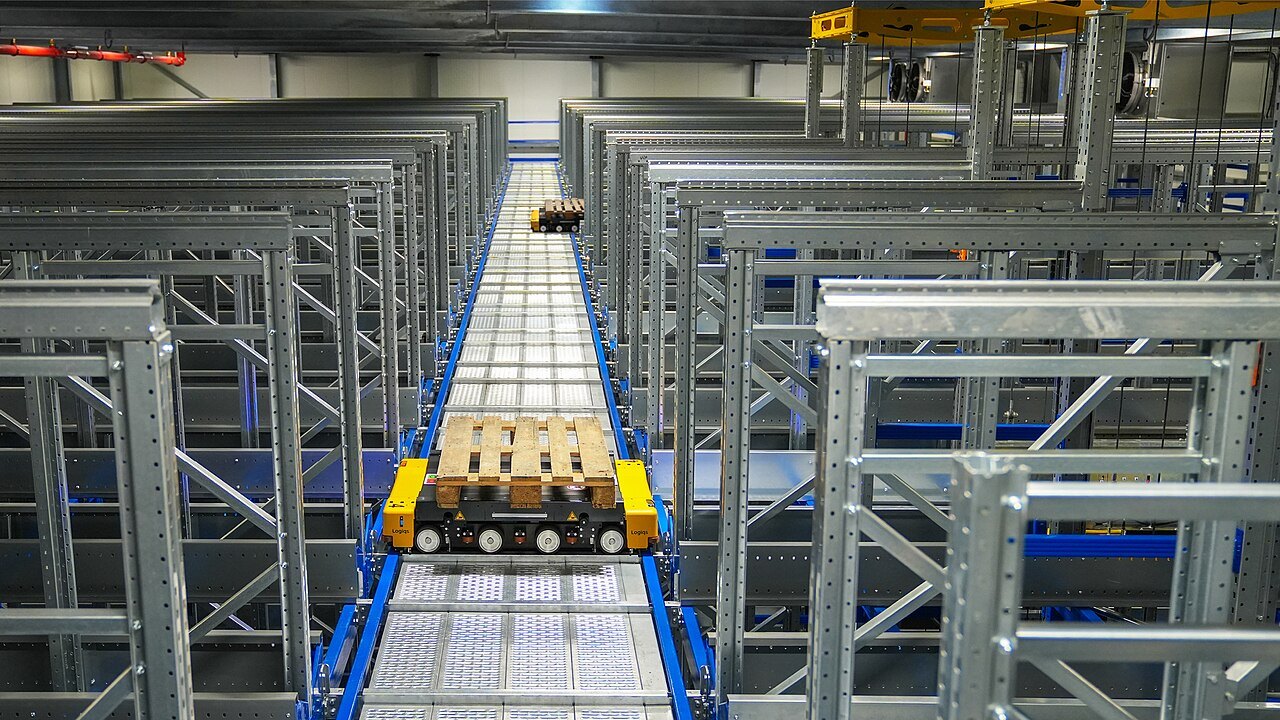
Featured photo: automated guided vehicles moving racks and long goods in a warehouse. Photo by Timmo at ek robotics GmbH, CC BY-SA 4.0, via Wikimedia Commons.