PTC and Deloitte introduced an Agentic Compliance Suite on Nov. 6, aimed at one question every change board gets: what does this actually affect? PTC’s example is a cybersecurity finding on a vehicle program. Answering it today means a requirements engineer in Codebeamer, a PLM architect tracing change in Windchill, a variant lead, a Creo designer and a service team, which PTC describes as “six teams, several days,” with the evidence for the regulator assembled by hand at the end. The suite targets rules such as UN R155, ISO/SAE 21434 and ISO 26262 first, with medical, aerospace and industrial products next.
Deloitte supplies always-on governance agents for quality gates, traceability, risk and configuration, plus agents for each development phase. They sit on top of PTC’s products: Codebeamer for requirements and evidence, Windchill for change and the BOM, Pure Variants for the variant matrix, and Creo, ServiceMax and Servigistics for design and field data. When a regulatory event arrives, the agents run five steps: what is our exposure, what is affected, what are the options, what the regulator needs to see, and how to fix it in the field. PTC says impact analysis “becomes a query instead of an investigation,” and that a requirement error found in the field can cost 10 to 100 times more to fix than one caught early.
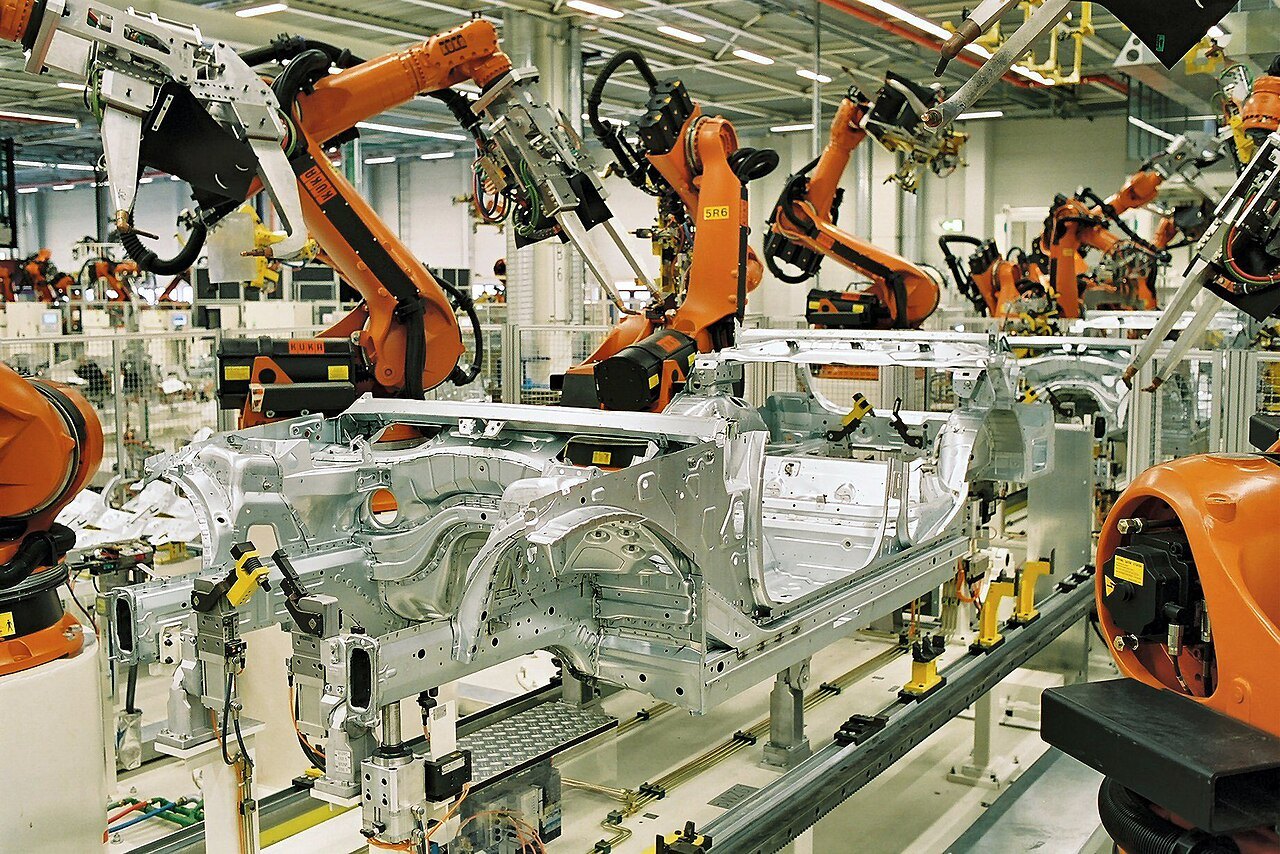
Aras made the other half of the argument on Nov. 9: “Approved isn’t the same as ready to build.” One plant may make a sheet metal part with robots and keep spares, while another buys it and rarely has stock, so the same revision lands differently at each site. When those choices live in spreadsheets and email, Aras says, nobody can tell an authorized adaptation from an uncontrolled deviation. Its Manufacturing Engineering template for Aras Innovator adds plant-aware MBOMs, side-by-side EBOM and MBOM editing, and manufacturing effectivity so each site’s switchover date is explicit. Aras also offers a quick test: pick a recent change that hit more than one plant and ask which definitions it affected, what each site decided, who approved it and when each line was actually ready.
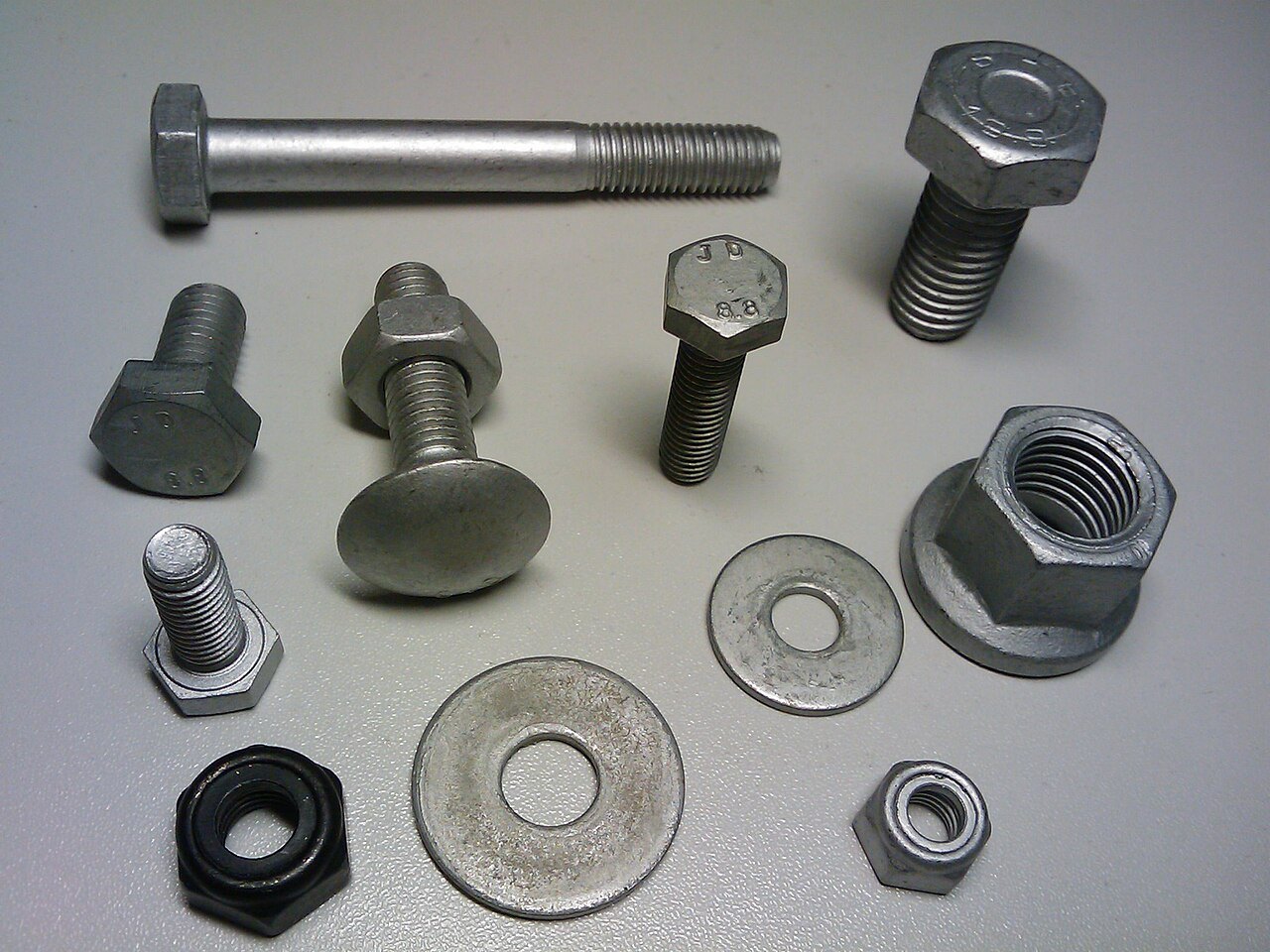
A smaller example shows why the impact step matters. In a piece summarized by ENGtechnica on Nov. 6, Leo AI traced a discontinued M8 bolt. A single-level where-used search found four affected assemblies; a three-level search found eight, so the shallow search missed half of what the change touched. Leo AI suggests automating three jobs, finding affected parts, routing a change to fast-track or full review, and assembling the reviewer packet, and testing any such tool against 20 ECOs the team has already closed before trusting it.
Everyone this week keeps the decision with people. A PLM IT lead at a Tier 1 automotive supplier, writing on HackerNoon on Nov. 10, laid out seven narrow agents for change, configuration, simulation, manufacturing release, suppliers, past decisions and governance, with a validation layer that rejects incomplete change requests before PLM sees them. “Agents can speed up the work. They should not own the decision,” the post says. The catch is that most of these agents have to stitch together answers from separate products, and the plant-level decisions Aras describes often sit outside all of them.
In N23D, the change control board runs inside the same Rust application as PLM, QMS and MES. One change record carries the affected parts at every level, the configurations they appear in, each plant’s effectivity and local decisions, and every approval, with full history. An agent can draft the impact list, but it works on the same records with the same permissions as a person, and nothing is released until the board approves it.
Sources
- One Regulator Question Should Not Take Six Teams to Answer, PTC (Nov. 6, 2026)
- Your Engineering Change Is Released. Is Manufacturing Ready?, Aras (Nov. 9, 2026)
- AI Automation Improves Engineering Change Order Management, ENGtechnica (Nov. 6, 2026)
- Agentic PLM: A Reference Architecture for AI-Assisted Engineering Change Management, HackerNoon (Nov. 10, 2026)
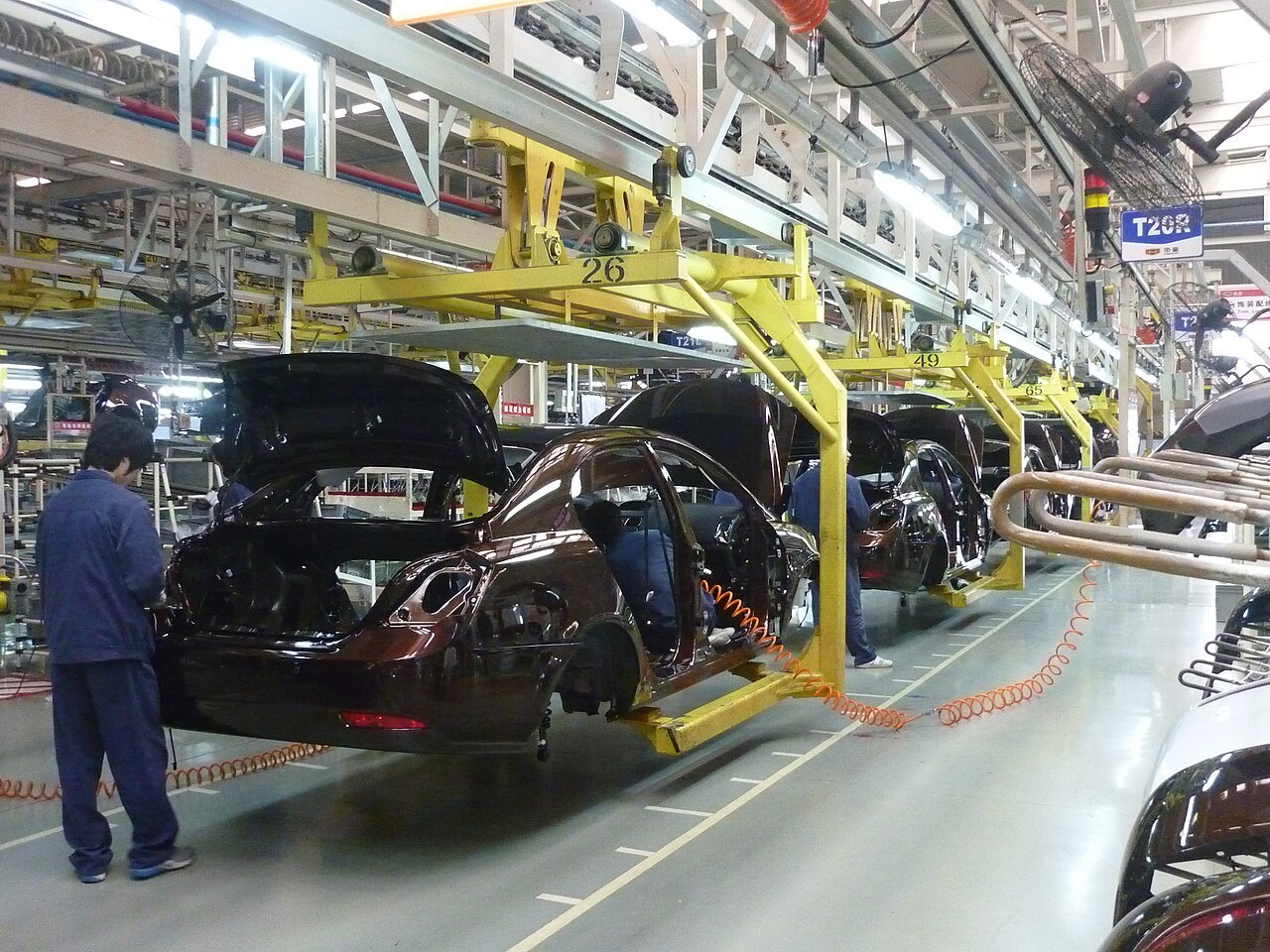
Featured photo: Workers on the Geely car assembly line in Beilun District, Ningbo, China. Photo by Siyuwj, CC BY-SA 3.0, via Wikimedia Commons.