The voestalpine Wire Technology Group is putting its wire plants in Italy, Austria and Germany on one manufacturing execution system, and it is giving the job three years. ABF announced the order on Nov. 6: its modular OneBase MES will replace or consolidate the existing production, machine-data (BDE) and subsystems at the three sites, with voestalpine Wire Italy as the pilot for the shared core. The other plants follow step by step, each adding site-specific extensions, and the platform connects existing systems from the production order all the way back to feedback into ERP.
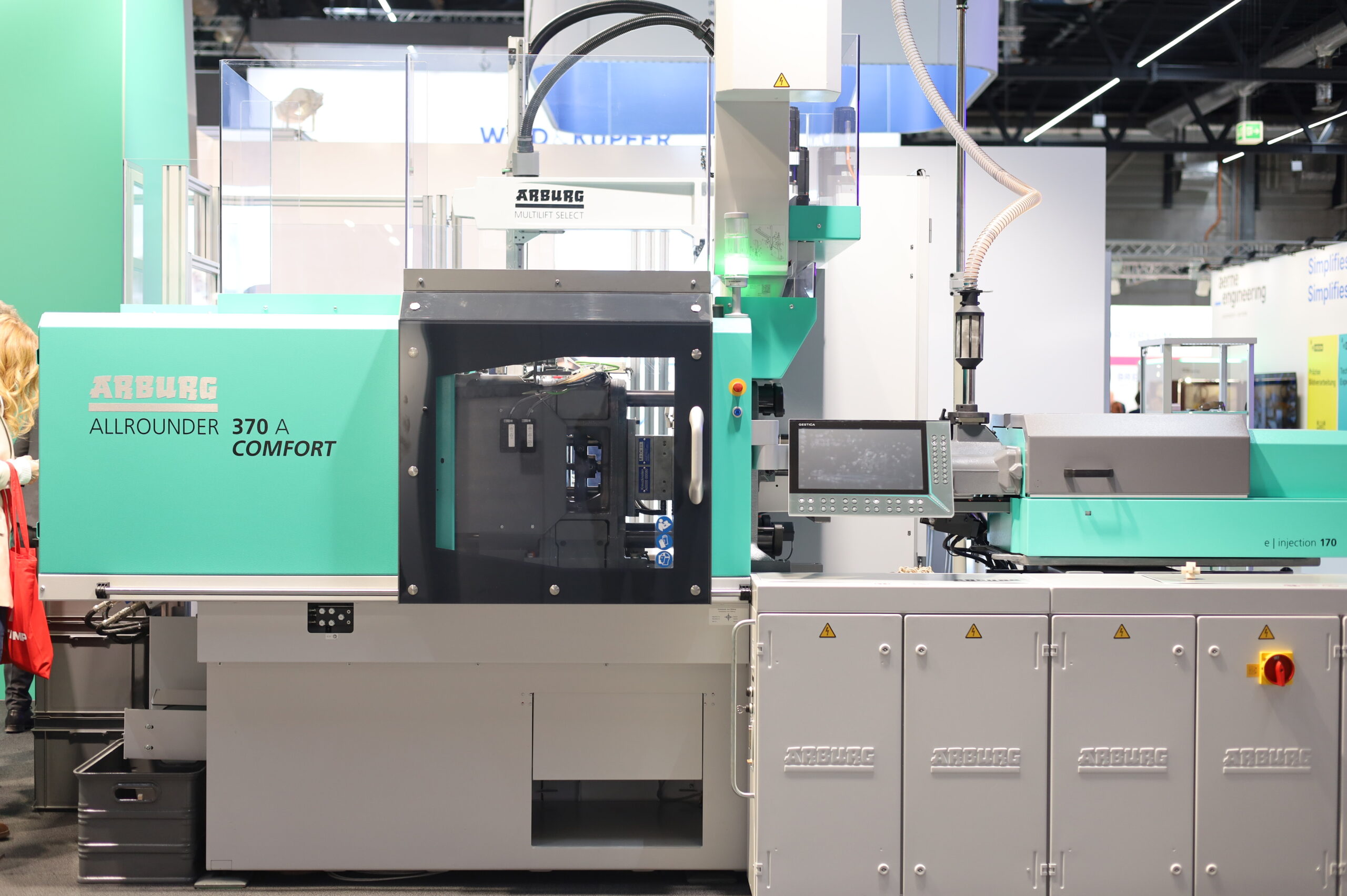
The hard part is in the fine print. The three sites make different wire products on different equipment, and the MES has to absorb those differences while staying “as uniform a system platform as possible.” Wittmann is chasing the same problem from the machine side. Its TEMI Next MES, which premiered at Fakuma 2026, now maps every process in a plant in one unified model, not just injection molding. It adds assembly, filling and packaging equipment from other suppliers, records energy use and CO2 down to the machine, part or lot next to process and quality data, and is sold as a subscription for the first time.
Multi-site consistency is also the headline of Critical Manufacturing’s Version 12.0, announced this week. Its new Global Data Orchestrator pushes master data to every factory through controlled change packages with a dry-run check before anything deploys. The release also adds a catalog of AI agents that run on the same canonical data model as execution: “Ask” agents answer questions about KPIs, trends and shift handovers, and “Build” agents generate dashboards and screens as governed, versioned configuration rather than generated code, so the result survives upgrades and can be validated.
Pharma got two releases aimed at the same gap. Körber launched PAS-X Neo on Nov. 11, a cloud-native SaaS MES for small and mid-sized sites, with best-practice templates, a target go-live of around two months, and 21 CFR Part 11, EU Annex 11, audit trails and e-signatures built in from the first batch. The same day, Rockwell shipped FactoryTalk PharmaSuite 12.01, adding a recipe lifecycle management framework meant to make recipes and workflows easier to maintain, upgrade and standardize across sites on its Kubernetes-based deployment.
Read together, these releases say the MES product is no longer the screen on one line. It is the shared model underneath many lines and many plants, and the work is keeping that model consistent: one master record pushed to three countries, recipes that upgrade without breaking validation, AI output that is configuration someone can review. The three-year voestalpine rollout shows how much of an MES project is migration and harmonization rather than software.
In N23D, there is nothing to harmonize because there is only one record. MES routings, recipes and work instructions are released revisions in the same database as the PLM part, the ERP order and the QMS inspection. Every site reads that record. A change to a routing or recipe goes through the same approved change process as a drawing, with a preview of what it touches before it releases, and energy, quality and genealogy are logged against the same part, lot and machine.
Sources
- New major order from voestalpine Wire Technology, ABF GmbH (Nov. 6, 2026)
- Wittmann’s TEMI Next MES Supports AI, Shifts to Subscription Model, Plastics Technology (Nov. 9, 2026)
- Critical Manufacturing Expands Industrial Operations Platform with Purpose-Built AI Agents, Semiconductor Digest (Nov. 2026)
- Körber launches PAS-X Neo and opens a new path into digital, compliant pharma manufacturing, Körber (Nov. 11, 2026)
- Rockwell Automation Launches PharmaSuite 12.01, ManufacturingTomorrow (Nov. 11, 2026)
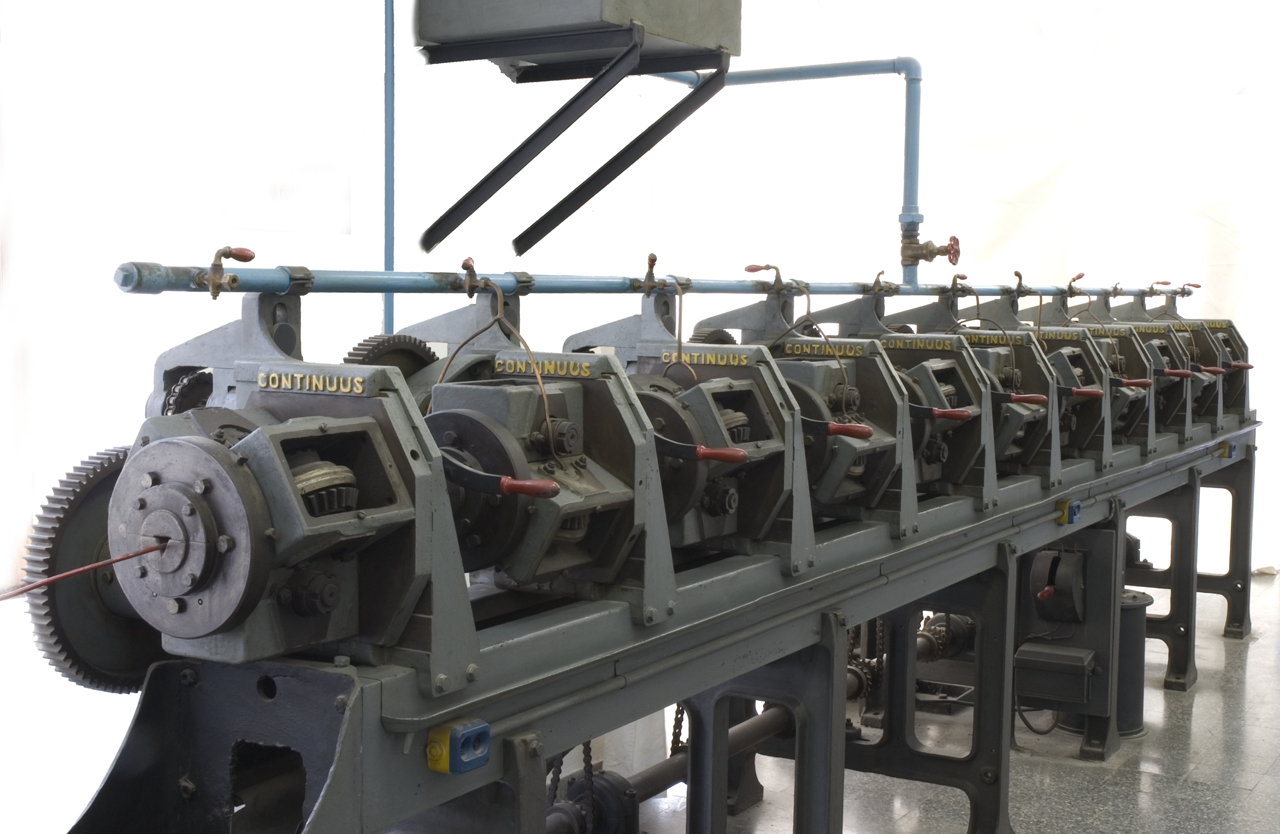
Featured photo: a Properzi continuous rolling mill, part of a continuous casting and rolling system for wire rod, at the Museo Nazionale Scienza e Tecnologia in Milan. Photo via Wikimedia Commons, CC BY-SA 4.0.