Spanish grape ingredient producer JULIAN SOLER runs 30 to 40 production runs a day across more than 1,000 items, and until recently it worked out the raw material blend for each run by hand in Excel. Now an AI optimizer inside its Forterro Abas ERP calculates viable recipes and ranks them by cost and by how closely each one meets the customer’s specification. The company makes grape juice and concentrated grape must for soft drink, wine, vinegar, confectionery and infant food makers in more than 60 countries.
The optimizer works because the data was already in one place. JULIAN SOLER tracks every batch from grape intake to shipment, including concentration, acidity, pH and color, and the tool draws on those production, laboratory and quality records. “Without the production, quality and laboratory data, we could not have implemented this solution,” said Antonio López Soler. The company expects to save four to eight hours a day on recipe work. Forterro also cites up to a 10% improvement from factoring raw material cost into recipe choice, but gives no baseline and no measured results yet.
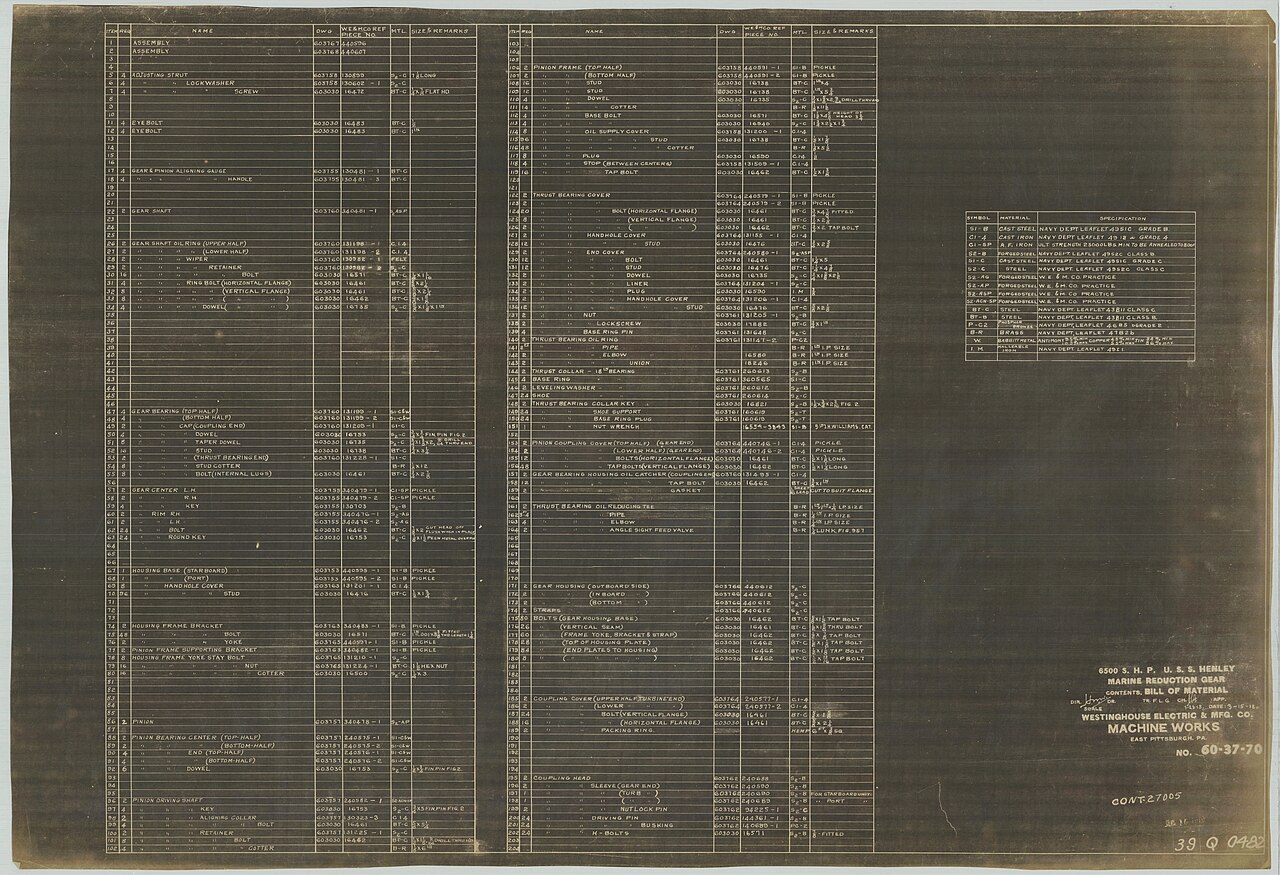
Engineering data has the same problem on the discrete side. On Nov. 6, Odoo consultancy Cudio partnered with QBuild Software to bring its CADLink integration to Odoo manufacturers. CADLink runs inside the CAD system and creates, updates and syncs Odoo items and multi-level bills of materials in both directions, with no file export and import. Before saving, engineers see the CAD data side by side with the existing Odoo records, with new parts, quantity changes and items to remove color-coded, and critical errors flagged at the point of transfer.
The big vendors are selling the same promise at scale. In its Nov. 9 post on being named a Leader in the 2026 Gartner Magic Quadrant for Cloud ERP for Product-Centric Enterprises, SAP says its Integrated Product Development ties engineering BOMs directly into procurement and production orders, so design changes flow through the supply chain without manual handoffs. Microsoft, also named a Leader, is pushing ERP into new business models: its Rental Management preview for Dynamics 365 runs sale, rental, service and resale of the same machine on one asset, customer and financial record.

Puerto Rico shows what happens when that record fails. The Treasury Department’s ERP has been in implementation with Deloitte since July 2018, and testimony from the government’s General Services Administration to the island’s Senate on Nov. 12 described more than 350 ignored ERP requirements, defect logs deleted during testing and automatic acceptance clauses for deliverables, as compiled by former Puerto Rico CIO Giancarlo Gonzalez. A first phase stopped in 2019 after $32.4 million, a $73.1 million re-award missed its December 2024 deadline, and the system went live in July 2026 into a backlog that is stalling supplier payments; the Department of Education has completed 91% fewer purchase orders than a year earlier.
The pattern across all five stories is the same: ERP is only as good as the engineering, lab and shop-floor data that reaches it, and every handoff between systems is a place for that data to drift. In N23D, ERP does not receive a copy of the BOM. It reads the released PLM revision directly, and MES and QMS write their batch, lab and inspection results to the same record. Requirements are tracked items with an owner and a status, so none of them can quietly go missing, and any recipe or order an assistant drafts goes through a named reviewer with full history.
Sources
- JULIAN SOLER Uses Forterro’s Abas ERP to Rank Grape Recipes With AI, ERP News (Nov. 13, 2026)
- Cudio Partners With QBuild to Connect CAD Designs With Odoo Manufacturing, MarketersMedia (Nov. 6, 2026)
- SAP Recognized as a Leader in the 2026 Gartner Magic Quadrant for Cloud ERP for Product-Centric Enterprises, SAP News Center (Nov. 9, 2026)
- Build Asset-as-a-Service models with Rental Management in Dynamics 365, Microsoft Dynamics 365 Blog (Nov. 2, 2026)
- The bill for Deloitte: Hacienda’s ERP was failing in 2019, re-awarded in 2022, and is still stalling supplier payments, news.pr (Nov. 2026)
- Asesora del Gobierno se desliga ante el Senado de las fallas del ERP y apunta a Deloitte, Metro Puerto Rico (Nov. 10, 2026)
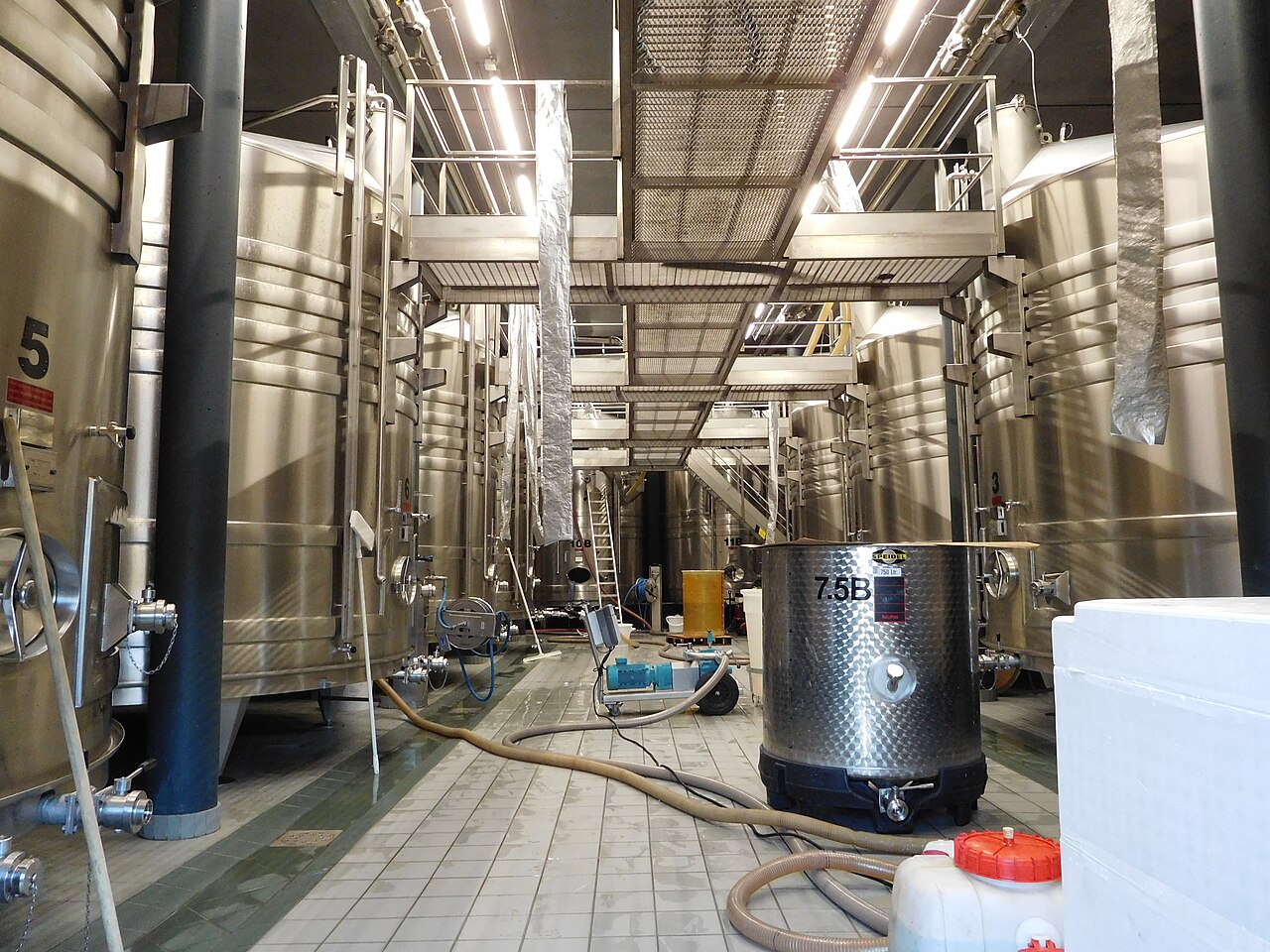
Featured photo: stainless steel vinification tanks in a cellar at Chavignol, near Sancerre, France. Photo by Cjp24, CC BY-SA 4.0, via Wikimedia Commons.