After ten years and five failed stabilization attempts, Rust’s never type is finally stable. Rust 1.100.0 shipped on Nov. 12, and the type spelled !, which marks code that can never produce a value, can now be named anywhere, with the old Infallible type turned into an alias for it. The release also stabilizes the core Allocator trait, so library authors can plug custom allocators into Vec and Box, and adds DropGuard, a helper that runs a closure on every exit path and can be dismissed on success, which makes all-or-nothing updates with rollback a few lines of code.
The Cargo changes may matter more day to day. Cargo now warns about dependencies a package no longer uses, through a new [lints.cargo] system. It also stabilizes min-publish-age, or dependency cooldowns: set something like global-min-publish-age = "3 days" and Cargo will skip any crate version published more recently than that, and tell you what it held back. The reasoning is that malicious package versions are usually caught within hours or days by scanners or the community. The Rust team is clear that this reduces supply-chain risk without removing it, and that dependency updates still need review.
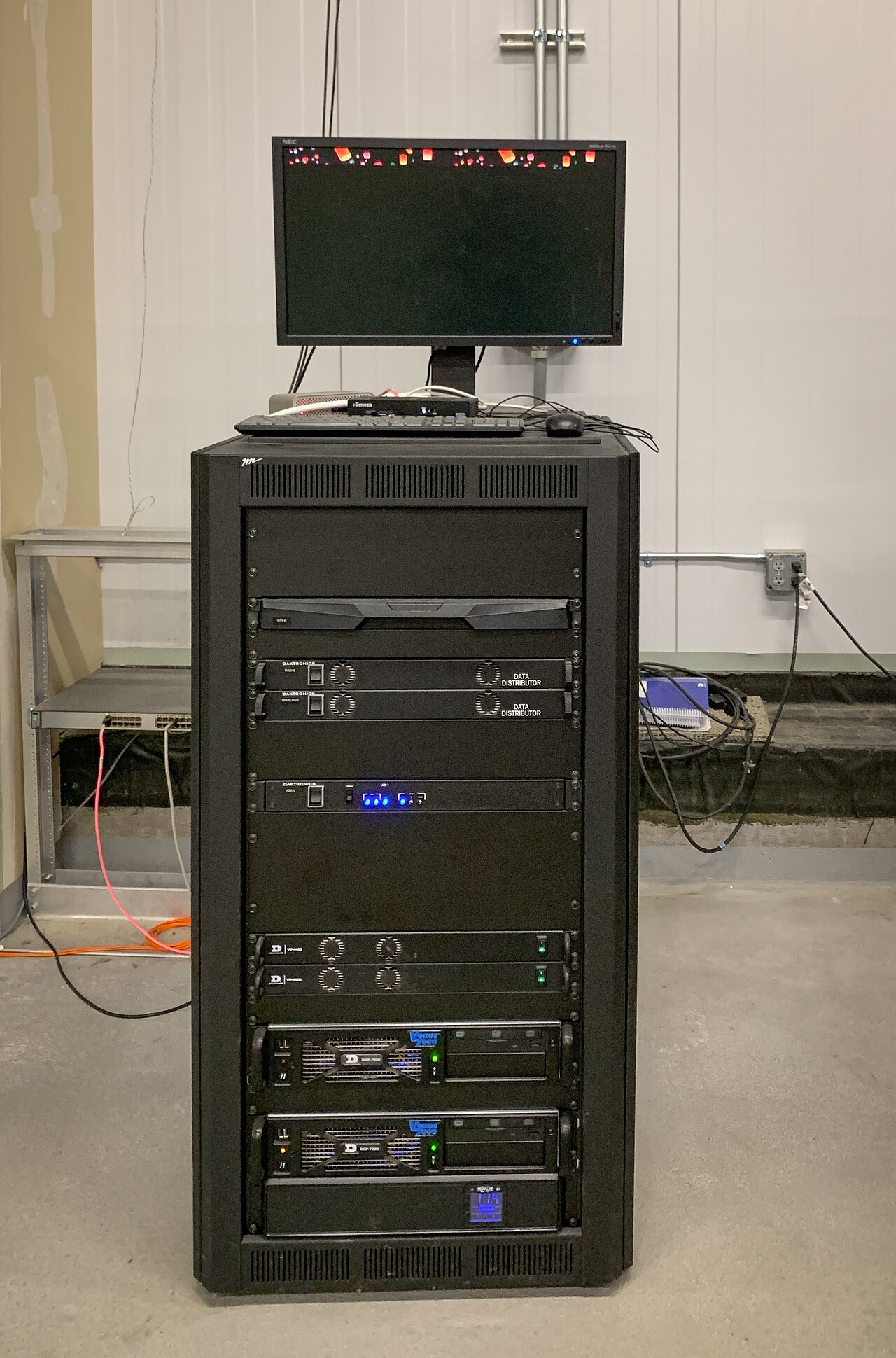
cargo check by about 44% with eight threads in the project’s benchmarks. Photo: Tony Webster, CC BY 2.0, via Wikimedia Commons.Compile times are next. On Nov. 16 the compiler team said the parallel frontend is now on by default in nightly, starting with nightly-2026-11-14. Type checking and borrow checking have always run on a single thread. With eight threads, the project’s real-world benchmarks show mean wall-time cuts of about 44% for cargo check, 36% for debug builds and 28% for optimized builds, and checking crates such as nalgebra, cargo and diesel ran almost three times faster. Incremental rebuilds gain only 3% to 5% so far. The team turned it on in nightly to find remaining bugs before stabilizing it.
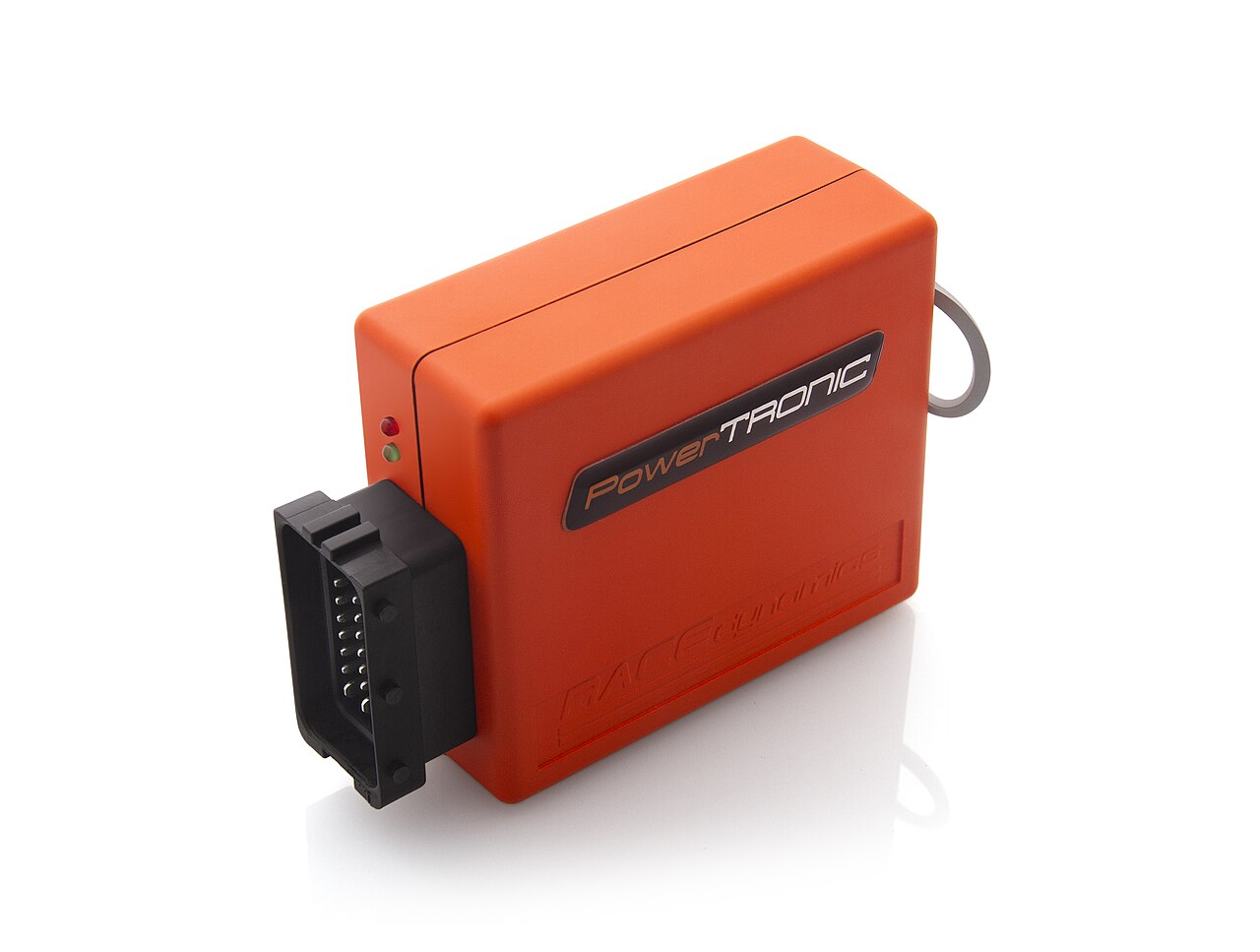
In cars, the tooling keeps getting closer to production. AdaCore and OxidOS Automotive announced a partnership on Nov. 16: OxidOS, a Rust operating system for electronic control units built on the Tock microkernel, will validate AdaCore’s GNAT Pro for Rust toolchain and its GNAT Dynamic Analysis Suite for structural coverage, giving OEMs and Tier 1 suppliers a combined path toward ISO 26262. Six days earlier, HighTec added Rust and C/C++ compiler support for Infineon’s AURIX RC1, a new RISC-V automotive microcontroller family with up to twelve 32-bit cores and up to 40 MB of embedded memory. HighTec’s compilers are qualified to ISO 26262 up to ASIL D.
The standards side is filling in too. Earlier this month SAE released JA1020, Safety and Cybersecurity Recommendations for the Use of the Rust Language in Critical Systems, developed with RTCA so it applies to both automotive and aerospace work. Put this week together and the pattern is clear: the language is closing old gaps like the never type and custom allocators, Cargo is adding guardrails around what gets pulled into a build, and qualified compilers and operating systems are arriving for the controllers that actually run machines.
N23D is written in Rust, so these changes land directly in how it is built. Outside libraries are brought into the N23D repository rather than pulled live at build time, which is the same idea as a dependency cooldown taken further: nothing changes in the build until someone reviews it. A faster compiler frontend shortens the loop for every module, from PLM to MES, and an all-or-nothing rollback like DropGuard is the same behavior N23D expects from a release: a change either goes through completely or leaves the record untouched.
Sources
- Announcing Rust 1.100.0, Rust Blog (Nov. 12, 2026)
- Enabling the parallel frontend on nightly, Rust Blog (Nov. 16, 2026)
- AdaCore and OxidOS Automotive Announce Partnership to Expand the Rust-Based Secure Ecosystem for Automotive Electronic Control Units, AdaCore (Nov. 16, 2026)
- HighTec Leads the Way with Automotive Grade Compiler Support for New Infineon AURIX RC1 RISC-V Multicore MCU Family, HighTec (Nov. 10, 2026)
- SAE Functional Safety Committee Releases New Recommended Practice for Rust Programming Language, SAE Europe (Nov. 2, 2026)
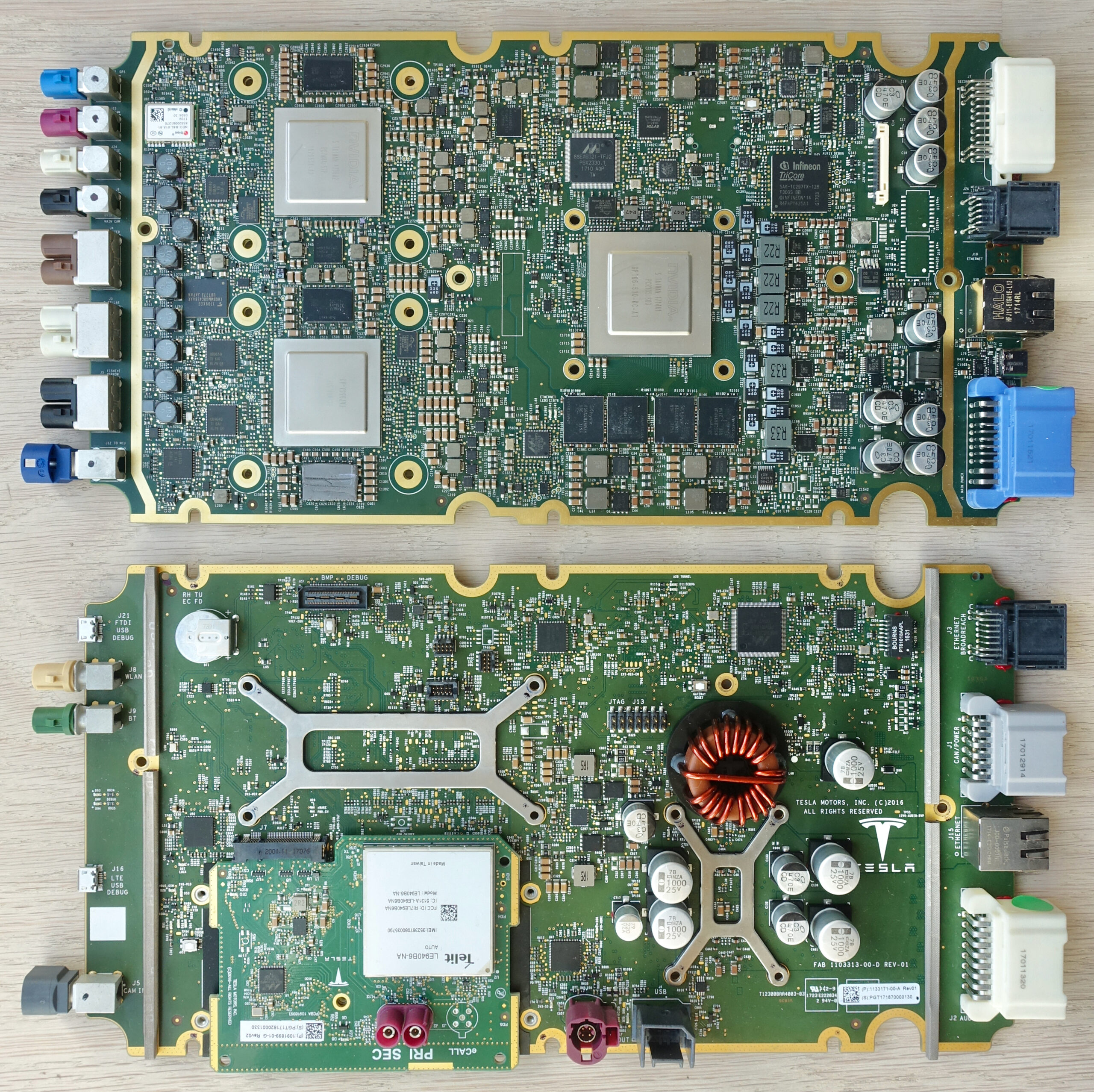
Featured photo: a Tesla Autopilot HW2.5 board above an infotainment board, the kind of vehicle computer that safety-qualified Rust toolchains now target. Photo: Steve Jurvetson, CC BY 2.0, via Wikimedia Commons.