Holding 1 micron of accuracy on a 10 mm-radius circle takes about 222 straight-line laser moves in a typical metal powder bed printer. A native arc does it in one. That is the case Dyndrite and Xact Metal made when they announced full toolpath control on Xact Metal printers, which they are showing this week at Formnext in Frankfurt. Xact Metal opened its scan cards to Dyndrite LPBF Pro, so the software can command arcs and other scan moves directly instead of breaking every curve into short chords.
The reason it matters is heat. Every chord adds a little geometric error, and every corner forces the scan mirrors to slow down, which spikes energy into the melt. With direct control, users get arcs, Bezier curves, wobble, per-vector delay and skywriting settings, dynamic set point and pulsing. In one example, Dyndrite hatches a thin ring with 8 continuous arcs instead of 150 short straight lines, so the laser does not return to the same spot before it cools. Dyndrite calls its figures illustrative, not measured build data. It is available now on the XM200G and XM200G µHD, with the XM300G to follow.
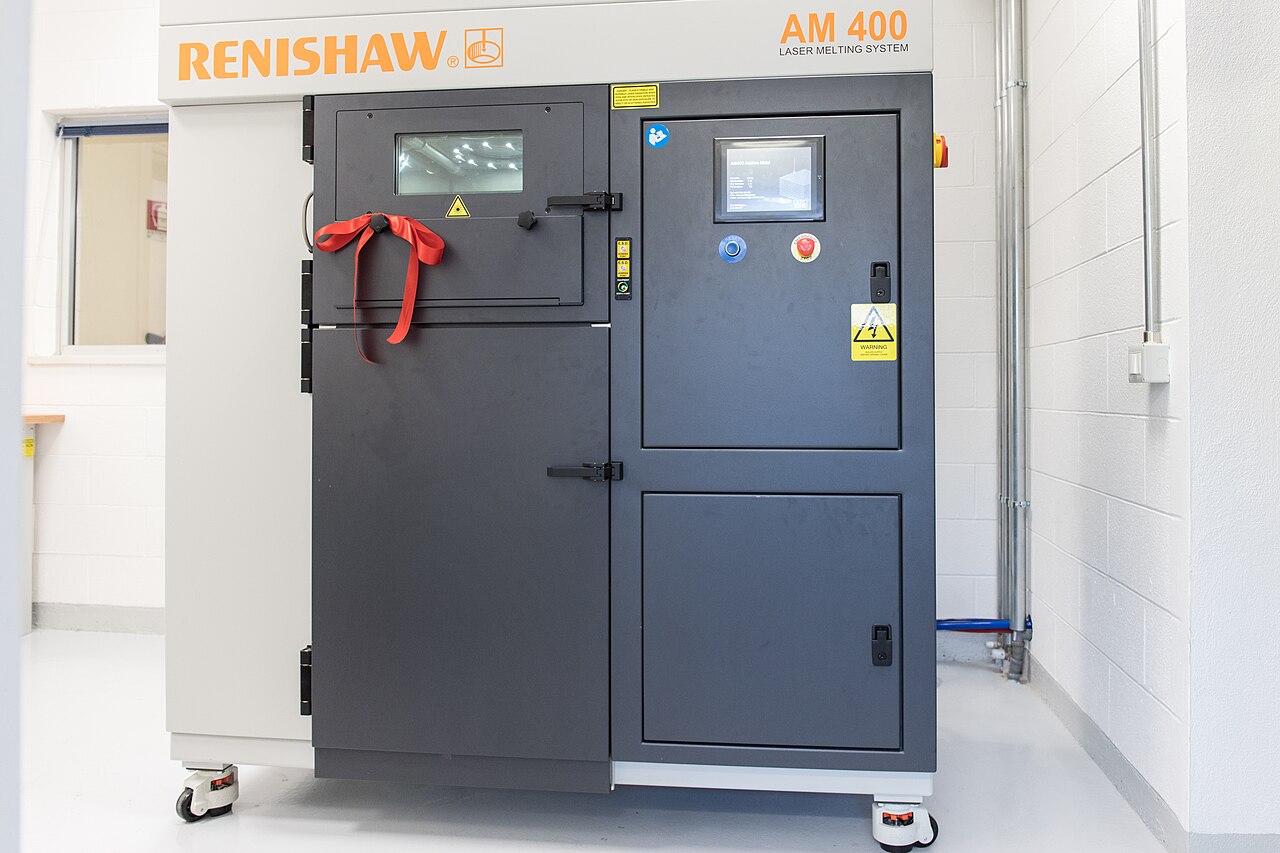
A second machine maker opened up on Nov. 17. Fives AddUp will let FormUp printers run build files made in Dyndrite LPBF Pro, the first time FormUp users can print from files created outside AddUp’s own software. Every function in LPBF Pro has a Python API, so a build strategy becomes code that can be versioned, qualified and rerun, and the same laser paths can be sent to machines from different makers to benchmark them like for like. The build processor is expected for early adopters in the New Year. AddUp also partnered with ADAXIS so its BeAM directed energy deposition machines can be programmed in AdaOne.
On the machining side, the weak link has long been the post-processor, the translator that turns CAM toolpaths into code a specific machine and controller will run. Dassault Systèmes’ DELMIA bought SGPOST and is building it into every core DELMIA Machining role as DELMIA SGPOST, with SOLIDWORKS Shop Floor Programmer users getting it too through resellers. SGPOST’s developer lists inputs from CATIA, NX, Creo, Mastercam, hyperMILL and others, output for Siemens, Heidenhain, Fanuc, Mazak and Okuma controls, and reverse decoding that moves an existing NC program between machines with different kinematics. Release is planned for R2027x GA, and Dassault says existing partner posts will keep working.
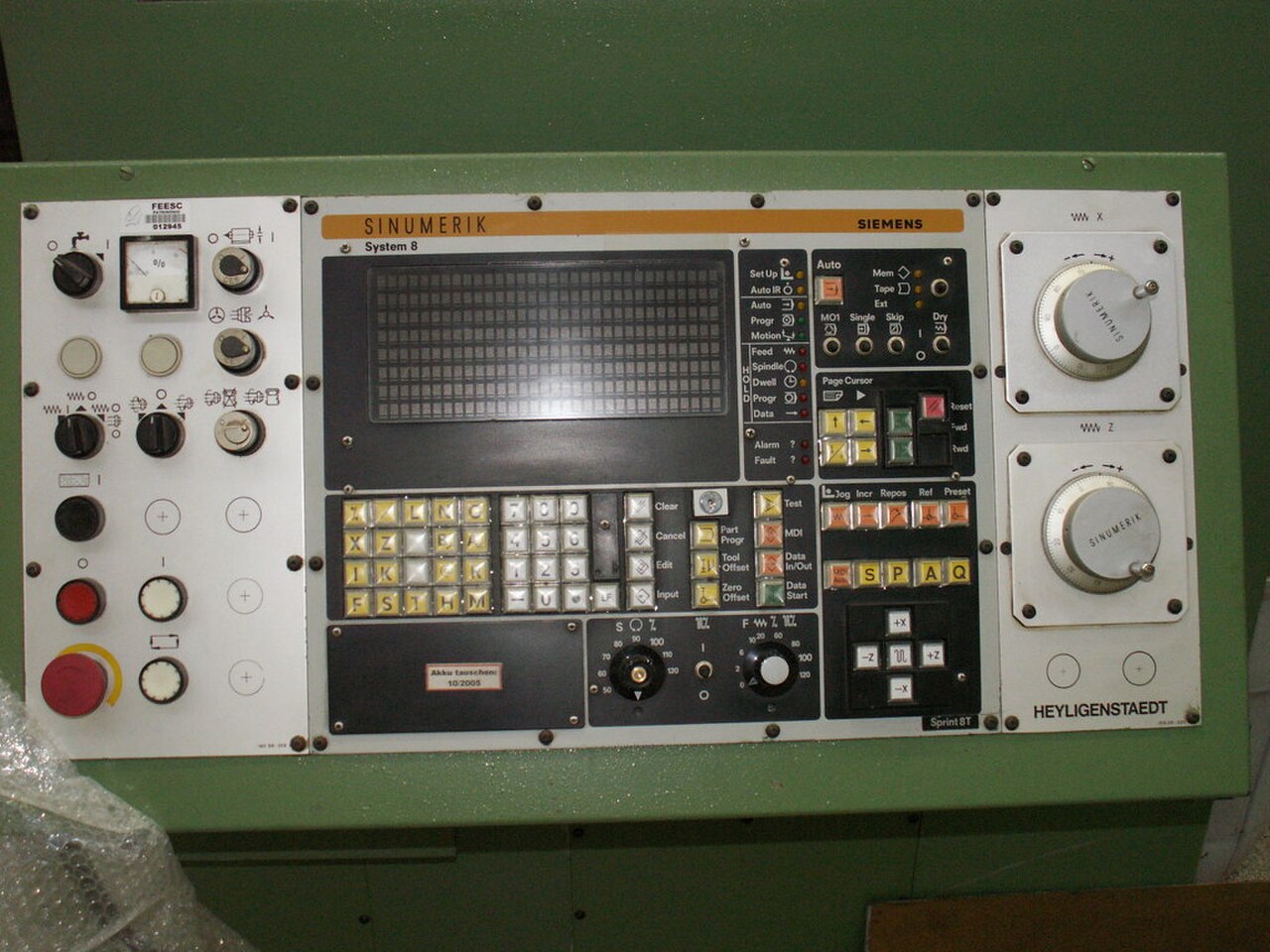
Hybrid work, which prints a part and then machines it, needs both halves to agree. At Formnext, OPEN MIND is showing hyperMILL ADDITIVE Manufacturing for DED and wire arc deposition, where the path is planned to keep a constant speed for even deposition, and BEST FIT, which adapts the NC code and simulation to where a printed part actually sits in the machine instead of aligning it by hand. ModuleWorks is pitching parts of the same chain to machine builders, from deposition paths and robot kinematics to its Post Processor Framework and real-time collision avoidance on the control.
The pattern this week is control over the last step: the exact instructions sent to the machine. Once a toolpath or a scan strategy is code, it is engineering data like a drawing, and it needs a revision, an owner and a record of which parts it made. N23D CAM is being built to keep toolpaths, posts and machine programs under the same release control as the model, tied to MES run records and QMS inspection results, so a change to a post is reviewed like a change to the part.
Sources
- Dyndrite: Dyndrite and Xact Metal Deliver a Commercial First in LPBF: Complete Toolpath Control (Nov. 11, 2026)
- Dyndrite: Fives AddUp FormUp machines open to Dyndrite LPBF Pro (Nov. 17, 2026)
- 3DPrint.com: Software updates and releases at Formnext 2026
- Dassault Systèmes blog: DELMIA Machining Adds Post-Processing with the SGPOST Acquisition
- 3DEXPERIENCE community: DELMIA SGPOST release in R2027x GA
- The Simulation Pulse: DELMIA Acquires SGPOST for CNC Machining (Nov. 17, 2026)
- NCSoft: SGPOST post-processor generator (French)
- OPEN MIND: Seamless additive and subtractive processes with hyperMILL at Formnext 2026
- ModuleWorks: See You at Formnext 2026
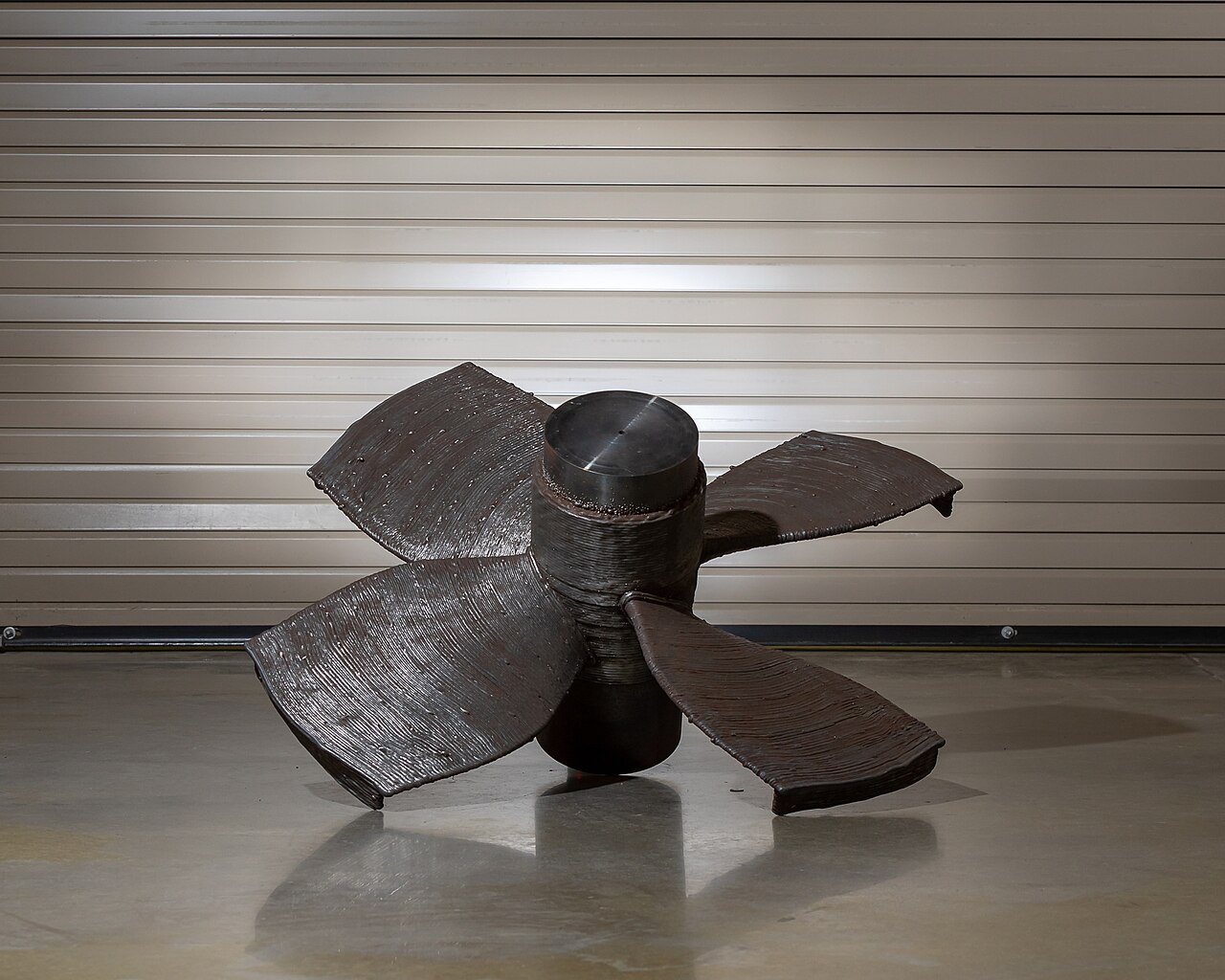
- Featured image: Metal 3D printed turbine, Oak Ridge National Laboratory, CC BY 2.0 via Wikimedia Commons