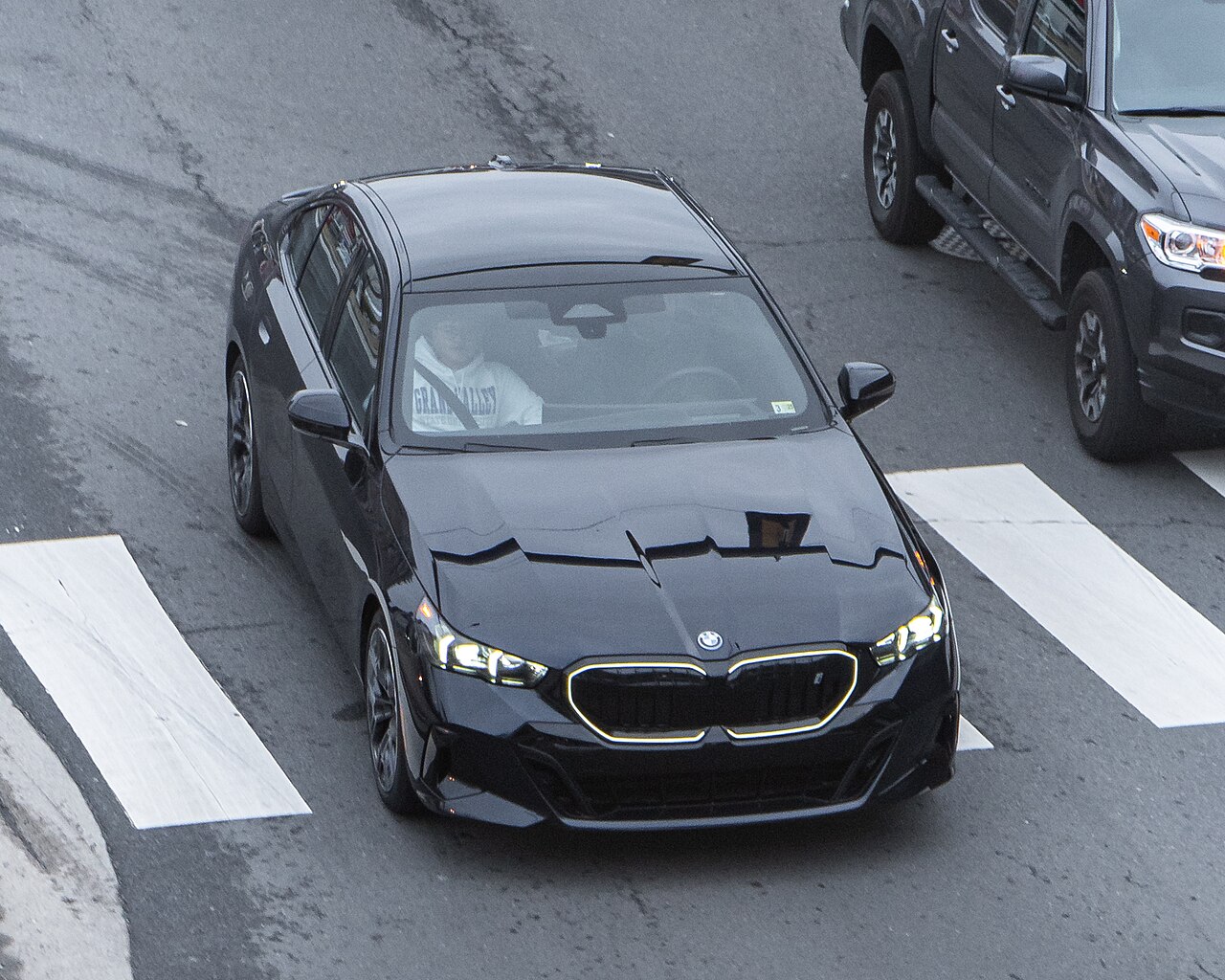
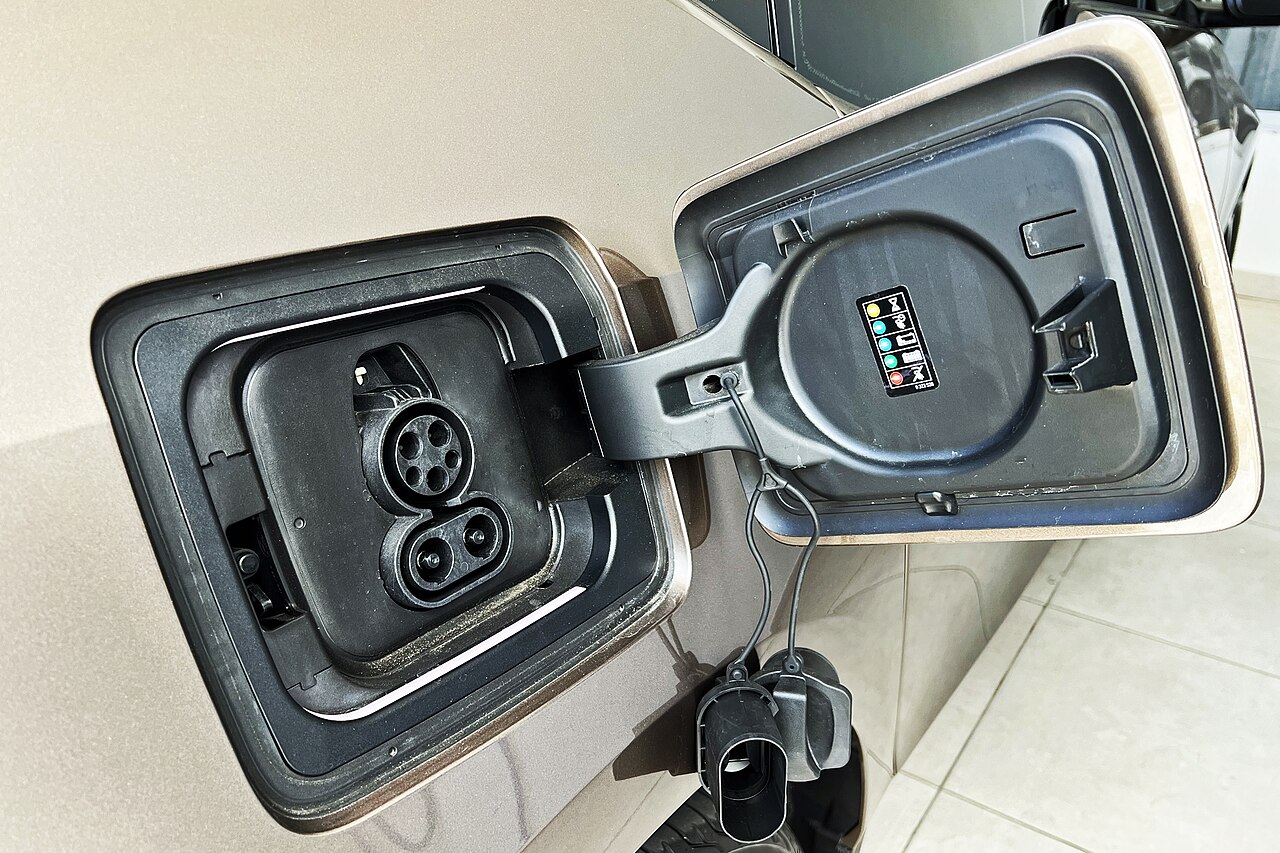
BMW is recalling 286 i5 and i7 electric cars because their charging ports may have shipped running a supplier’s test software instead of production software. The Part 573 report for recall 26V731 covers 236 2026–2027 i5s built May 12 to July 22, 2026, and 50 2027 i7s built June 15 to July 23. BMW says the charging software does not match its specification and, in rare cases, could raise the risk of electric shock. It knows of no accidents or injuries.
The chronology is the part a change board should read. The charging-port supplier, named in the report as TE Connectivity Solutions GmbH, told BMW about the software on Oct. 8. BMW went through the supplier’s production and shipping records, found that some units may have left with test builds, and decided on Oct. 28 to recall. The remedy is a free dealer software update, with owner letters planned for Dec. 25. No hardware changed. The open question was which software revision was actually on each part.
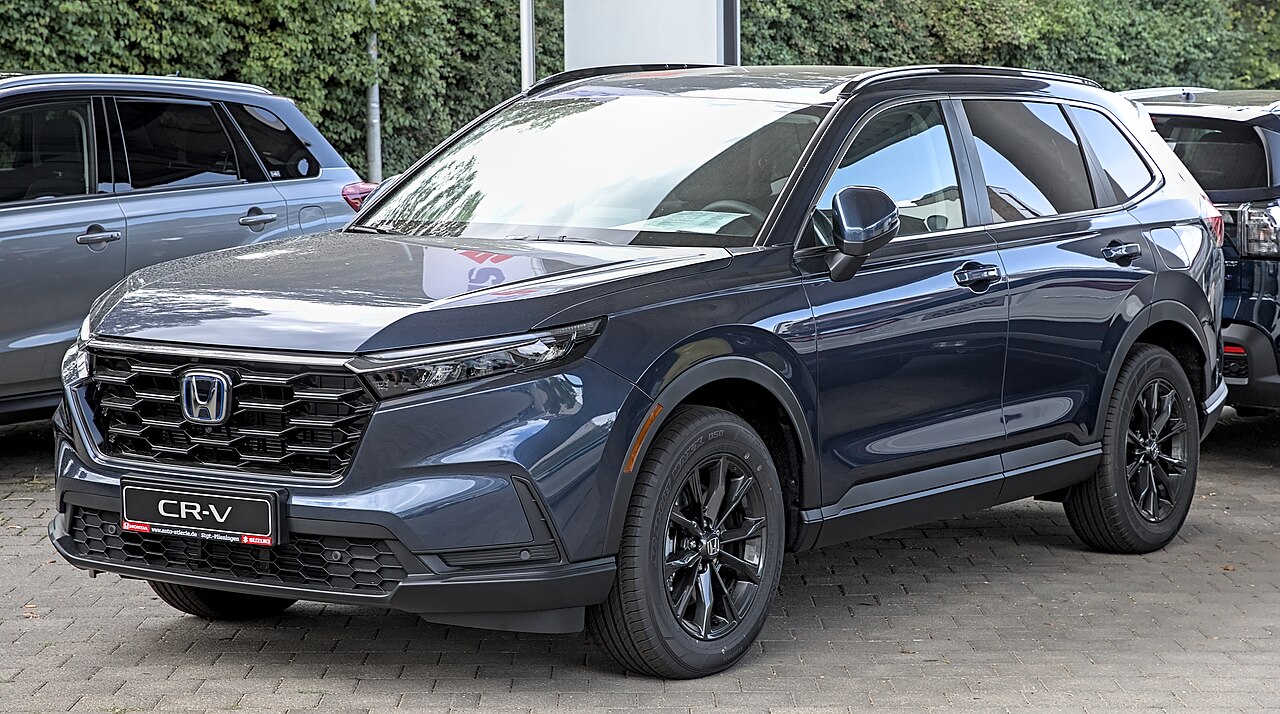
Honda’s newest recall is a fix that did not reach every car. In June, Honda recalled about 1.05 million vehicles (26V-366) because the sealant-bottle cap in the tire repair kit could fly off under pressure. Now it is recalling 4,804 more, 2023–2026 Accord Hybrid and CR-V Hybrid models and the 2025 CR-V FCEV (26V-663). According to Honda’s filing as reported by Otomobilgi, supplier Tek Corporation did not apply adequate change-point management, old-design kits got mixed with corrected ones in its warehouse, and some old parts shipped as the remedy. Owner notices began around Nov. 16.
BMW has a repeat recall on the list too. NHTSA campaign 26V733 covers 720,796 BMWs from model years 2012 to 2018, including the 3 Series, 5 Series, X1, X3 and X5 xDrive40e, whose water-pump electrical connector may let water in and short-circuit, a fire risk. It replaces recall 24V608, and cars already repaired under that campaign will need the new remedy, which is still being developed. Owners are told to park outside and away from buildings until then.
Software around the product is changing as well. Chrome 158 reached the stable channel today, and Google’s schedule makes it the release where XSLT stops working for everyone outside the Enterprise Policy and Origin Trial, which themselves end with Chrome 176 in August 2027. Aras Innovator uses XSLT to draw grids, reports and other screens. Aras has hotfixes for Releases 22 through 38, and Release 21 and older have no general hotfix. A browser update just changed the PLM baseline at many companies without anyone filing an ECO.
All four cases come back to one question: which revision is actually installed on each serial number, and which units did the fix reach? N23D is being built so that CCB approvals, PLM effectivity and MES as-built records share one product structure. A supplier software build, a remedy-kit lot or a client environment is a tracked item with its own revision, and “which units still carry the old one” is a query, not a warehouse search, with QMS holding the containment record.
Sources
- SDV Sector: BMW recalled 286 i5 and i7 EVs whose charging port may carry supplier test software (26V731)
- NHTSA recall lookup: 26V731
- Otomobilgi: Honda Recalls 4,804 Vehicles Due to Tire Repair Kit Fault (26V-663)
- NHTSA recall lookup: 26V663
- Vehicle Service Pros: This Week’s Recalls, Nov 9–13, 2026 (BMW 26V733)
- Chrome Releases: Stable Channel Update for Desktop, Nov. 17, 2026 (Chrome 158)
- Chrome for Developers: Removing XSLT for a more secure browser
- Aras Support Bulletin: Hotfix-12141 browser compatibility alert
- XLM Solutions: Chrome is removing XSLT support, what Aras Innovator customers need to do
- Featured image: BMW i5 (G60), Washington, D.C. area. Photo: OWS Photography, CC BY 4.0 via Wikimedia Commons