On 18 August 2026, Silvaco announced a partnership with Dassault Systèmes to build interoperable digital twin workflows for semiconductor manufacturing. The pitch is not another lonely “twin” logo. It is connecting three simulation domains that fabs already run in isolation: equipment-scale plasma, feature-scale process, and structural analysis — so engineers can judge manufacturing decisions before they burn fab time.
Two workflows are on the table. First, plasma capabilities in Dassault’s SIMULIA applications feed Silvaco Victory Process feature-scale etch and deposition, so reactor conditions can be studied against how wafer features actually evolve. Second, structures and material data from Silvaco move into SIMULIA structural environments for stress, deformation, and related mechanics. That is the chain the companies say they want to keep intact.
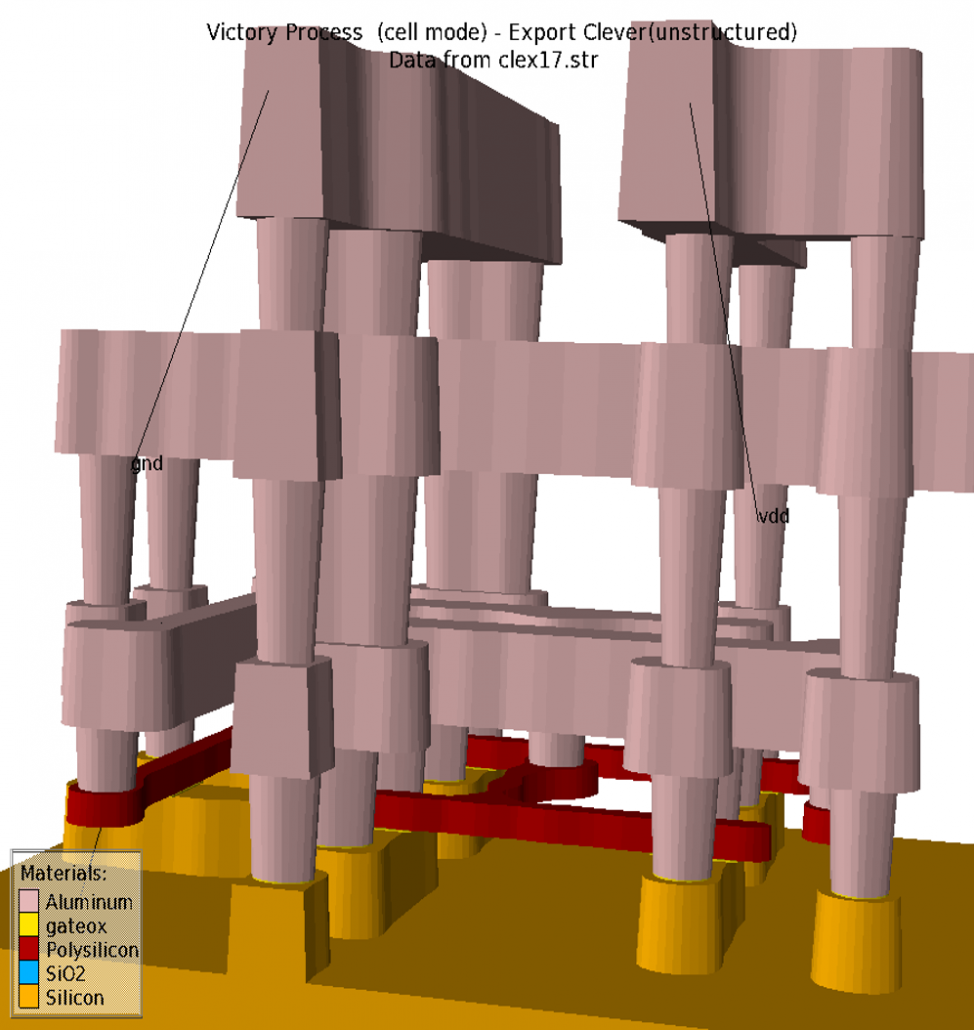
Process models have long stopped at disciplinary fences. A reactor study describes plasma chemistry; a TCAD deck grows the feature; another tool rebuilds the geometry for stress. Every handoff risks dropping the information that explains why a sidewall or film changed. Silvaco’s own Victory Process docs already treat feature-scale plasma etch as consuming reactor-scale inputs rather than inventing them — which is exactly the seam this partnership is trying to productize.
Traceability is the industrial part. When a plasma tweak changes profile or thickness, the resulting feature should travel into structural analysis without a human redraw. That is closer to a manufacturing digital thread than a slide titled “digital twin”: upstream process inputs stay attached to downstream mechanical outcomes while process windows get narrower on gate-all-around, vertical memory, and advanced packaging stacks.
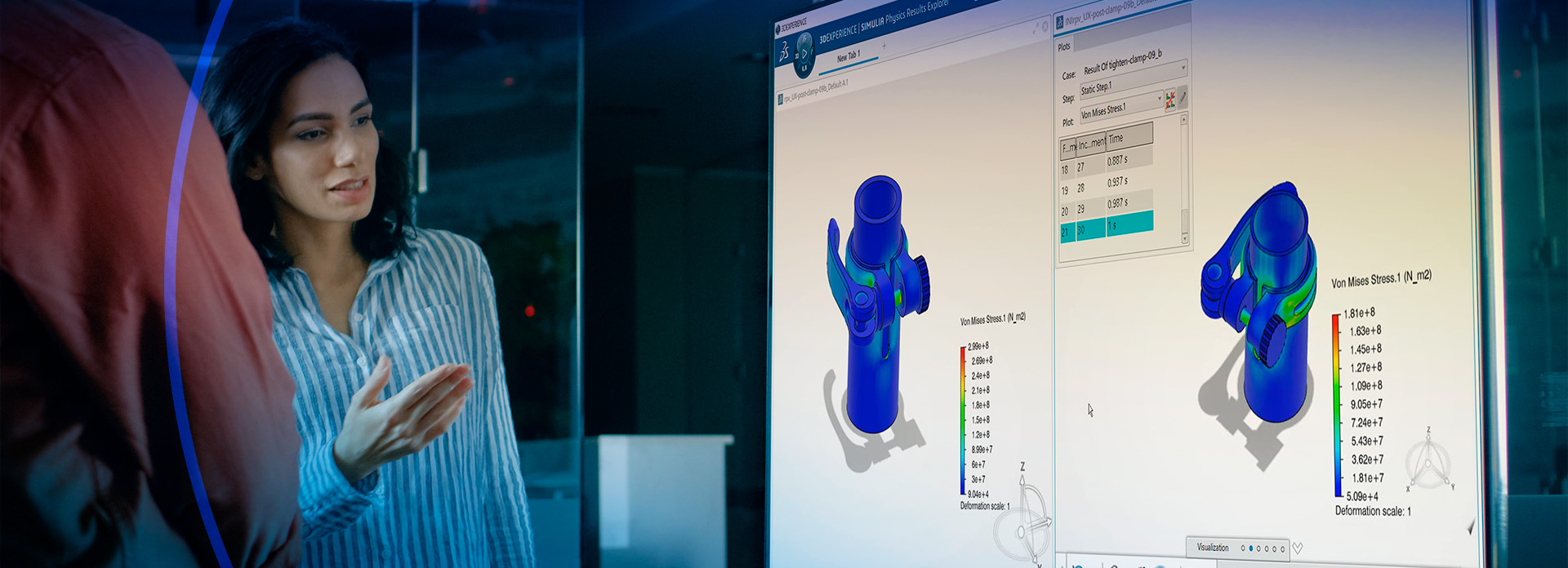
What this means for a platform that wants simulation on the same change model as design and manufacturing is blunt. A twin that cannot carry geometry, materials, and process context across tools is just another export. N23D’s CAE view only earns its keep if results stay attached to the product definition — and a single platform change model beats a stack of translators that forget why the wafer looks the way it does.
None of this retires silicon. Models still need chamber, chemistry, and material calibration, and wafer splits still decide who ships. CEO Walden Rhines’s claim in the primary release is the vendor bar: better decisions earlier, fewer expensive fab experiments, faster yield ramps. The useful test over the next few quarters is practical — can a process engineer change a plasma condition and follow stress or deformation on the same structure without rebuilding it twice?
Sources / References
- Silvaco IR — partnership announcement (18 Aug 2026)
- Silvaco IR — press PDF
- Silvaco news landing
- Markets Insider / GlobeNewswire reprint
- IN Electronics trade coverage (24 Aug 2026)
- Silvaco Victory Process product page
- Victory Process product brief (PDF)
- Using VICTORY Process for plasma etching simulations
- Dassault Systèmes — SIMULIA
- N23D CAE
- N23D platform

Leave a Reply