On Oct. 20, Arda Industries came out of stealth with a $160 million Series A at a $1.5 billion valuation, co-led by Altimeter, Accel and Khosla Ventures. Including a $72 million seed round led by Accel and Founders Fund, the San Francisco startup has raised $232 million. Its founder and CEO is Bob McGrew, who led research at OpenAI until 2024 and ran product and engineering at Palantir for its first decade. He told CNBC the product is “a user interface and an agent that does for manufacturing engineers what Claude or Cursor does for programmers.” It is a business bet on the slow step between a finished design and a working assembly line.
Arda’s AI agent reads a product’s CAD files and other design documents, then works out the assembly order, writes the work instructions and lays out the stations, so a design change can reach the floor without halting production. Its first customer is Anduril, which runs it inside its ArsenalOS manufacturing software. According to Arda, basic work instructions that took Anduril 10 hours now take 15 minutes, and more complex engineering workflows that took up to 30 hours now take about 2.5. Those are the companies’ own figures, and no independent benchmark has been published.
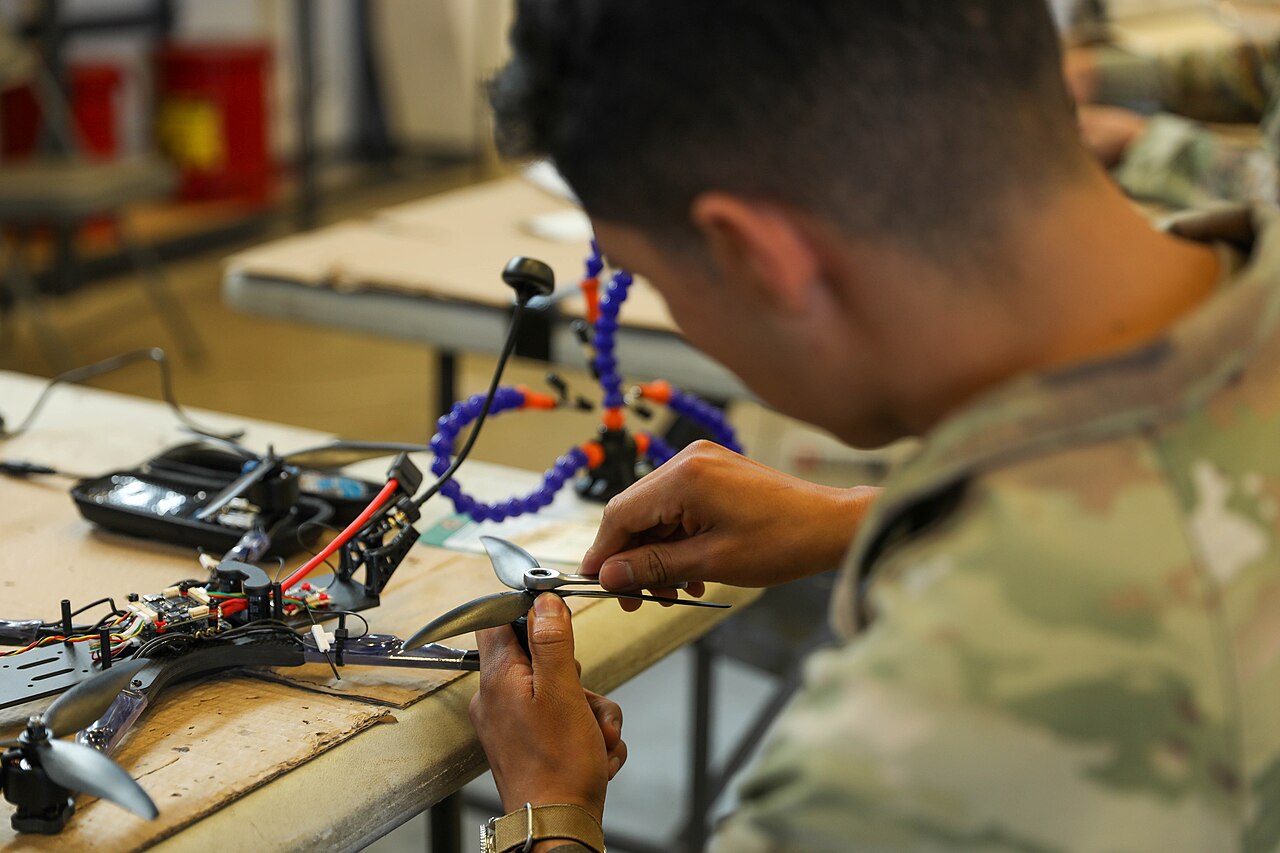

The pitch rests on a timing problem. Arda says programming conventional automation for a single station can take three to six months and cost close to $1 million, while a new phone stays at full-rate production for only about four months, and only about a quarter of its parts carry over to the next model. The company is starting with defense and with makers of transformers and electrical equipment for data centers, then plans to move into consumer electronics, with AI agents that program robots station by station. Altimeter’s Apoorv Agrawal, who led the round, told CNBC: “Yes, the price is steep today, but the long-term opportunity is very high.”
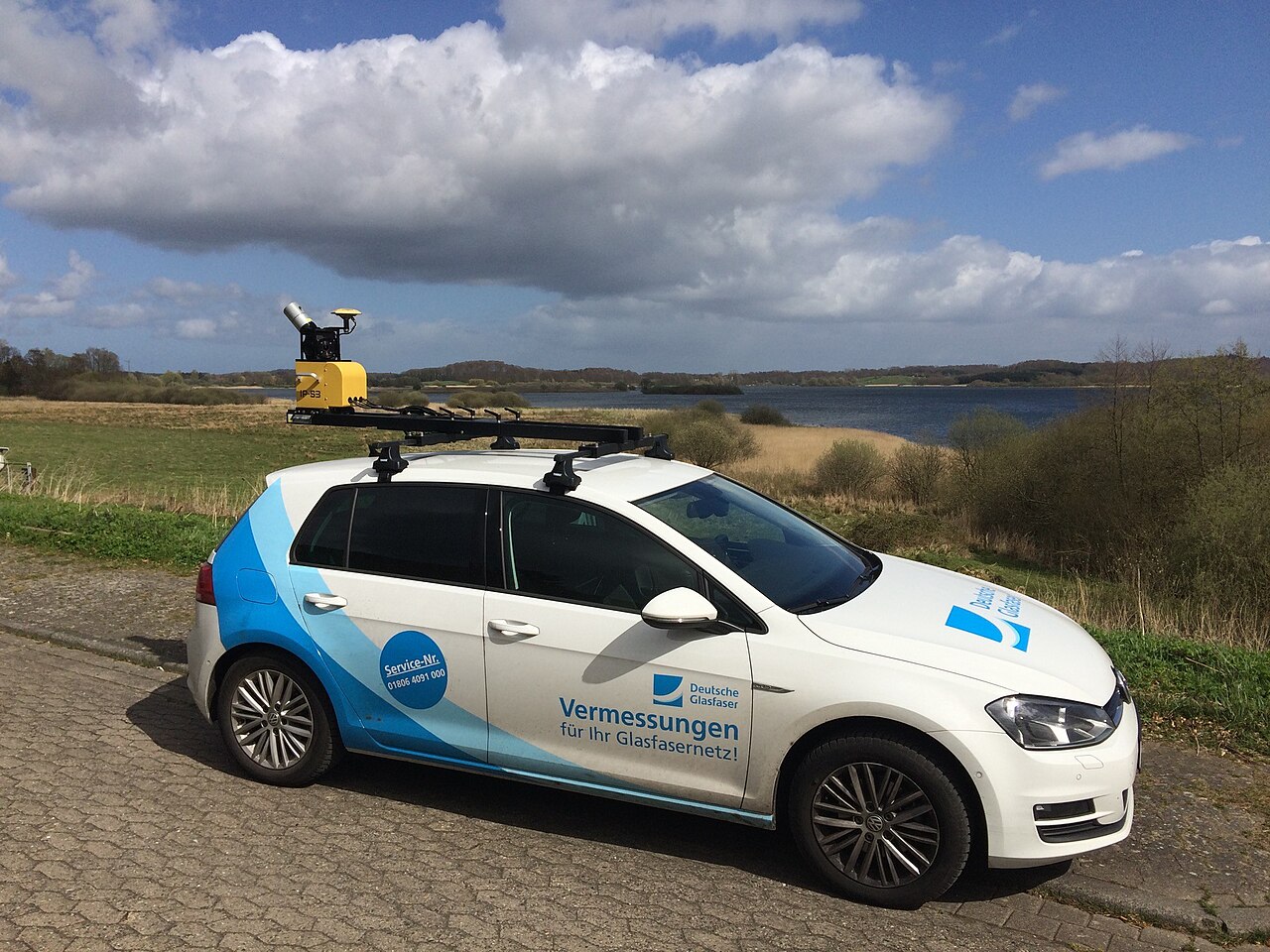
A day later, Mach9 announced a $34 million Series A co-led by First Round Capital and Bessemer Venture Partners, bringing its total to $49 million. Mach9 makes AI CAD software that turns LiDAR scans of roads and utilities into survey drawings, which it says is up to 10 times faster at one-fifth the cost. It has been used on more than 2,500 projects in all 50 states, with customers including WSP, HNTB, Caltrans and Minnesota DOT. CEO Alex Baikovitz told TechCrunch that manual drafting in “the legacy incumbent software that’s built by the Autodesk and Bentley Systems of the world” takes about a week per mile.

Both deals put money into the same gap: the manual step between design data and the people who build from it. Both products also keep a person in charge. Arda pitches its agent as a tool for manufacturing engineers, and Mach9 gives surveyors editing tools to check and correct every AI draft before they put their name on it, because licensed professionals carry the liability. For a buyer, the key question is where the generated instructions or drawings are stored, whether each one is tied to the exact design revision it came from, and who approves the update when that design changes again.
N23D is being built in Rust to close that gap within one system. Routings and work instructions in its MES are designed to come from the part and assembly revision in PLM, so a design change opens a change order that lists every affected station, re-checks the steps and waits for an engineer’s approval before the floor sees anything new. The full history stays with the revision, whether a person or an AI drafted the change.
Sources
- Arda Emerges from Stealth to Speed Up American Manufacturing, Business Wire (Oct. 20, 2026)
- Former OpenAI exec has quietly built $1.5 billion startup, betting AI can revive U.S. manufacturing, CNBC (Oct. 20, 2026)
- Our Investment in Arda, Accel (Oct. 20, 2026)
- Mach9 Raises $34M Series A to Bring Civil Engineering into the AI Era, Mach9 (Oct. 21, 2026)
- Mach9 raises $34M after pivoting to AI CAD software, TechCrunch (Oct. 21, 2026)
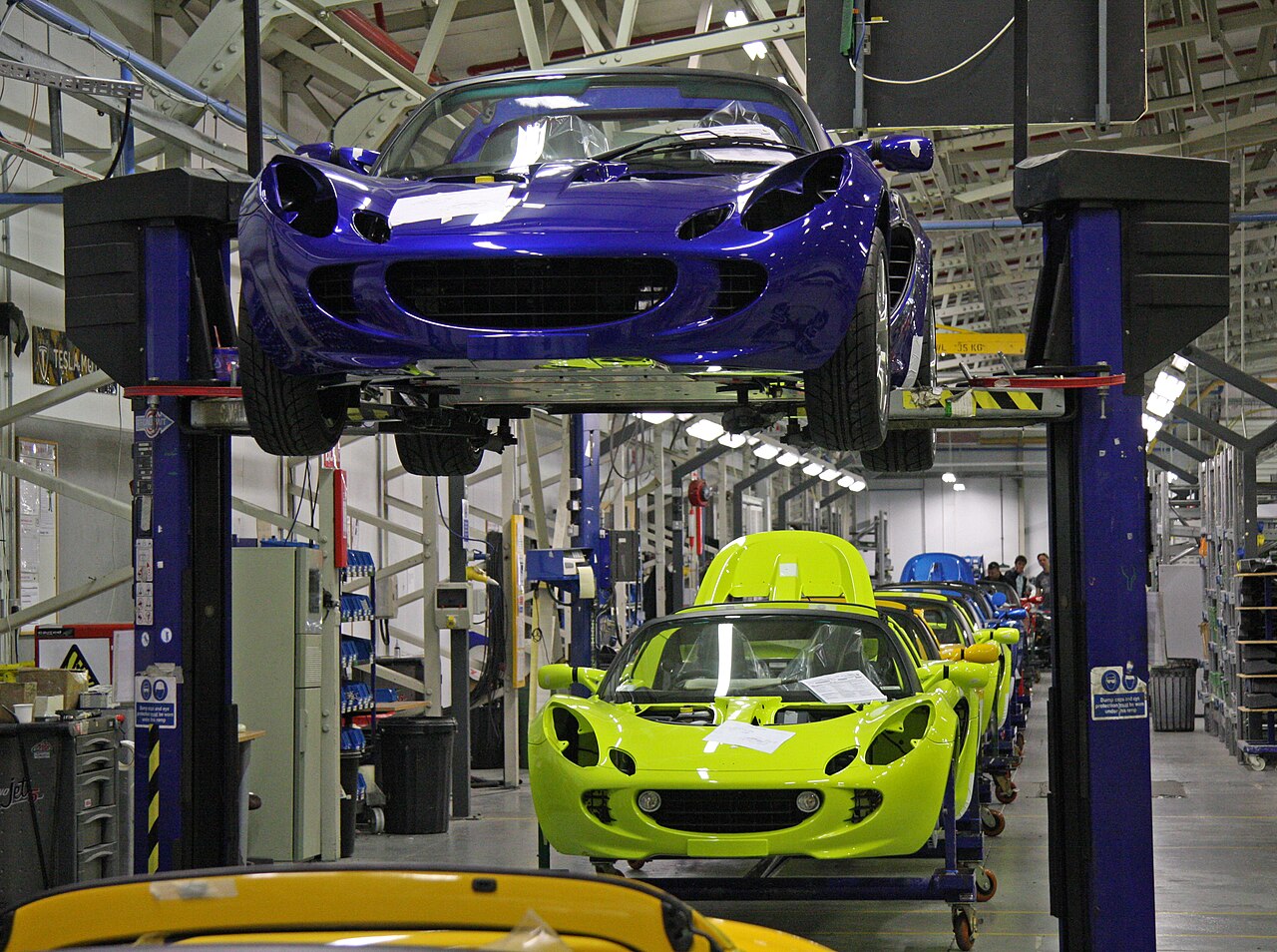
Featured photo: Final assembly at Lotus by Brian Snelson, CC BY 2.0, via Wikimedia Commons.
