
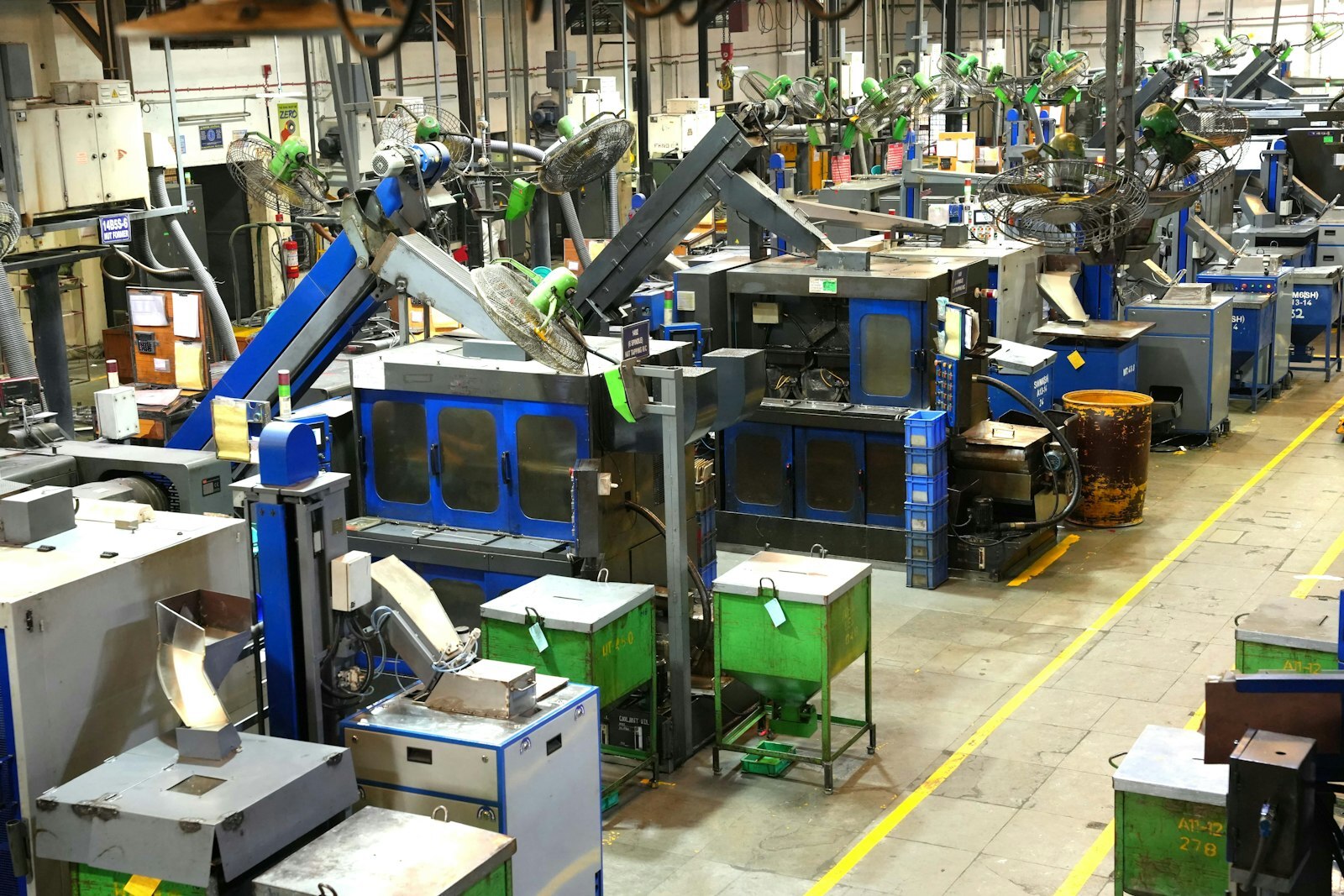
Epicor has taken Epicor Prism—its portfolio of vertical AI agents—to general availability across Latin America, embedding the agents directly inside Epicor Kinetic and Prophet 21 for manufacturers and distributors. The Aug. 21, 2026 newsroom release frames the move as Cognitive ERP: turn live operational data into decisions and pre-approved actions inside the same workflows that already own orders, inventory, and jobs—not a bolted-on analytics chat.
The release is concrete. Prism ships with more than 18 pre-built agents spanning MRP explanation, supply/demand risk, fulfilment patterns, sourcing, reporting, and document extraction for AP and compliance. The Prism Reasoning Agent reads live ERP data alongside spreadsheets, PDFs, and other files; Prism Developer for Application Studio claims about a 60% cut in customization build-and-test time. Both run against the same transactional models Kinetic and Prophet 21 already use for shop and distribution work.

That is the industrial bar: ask why a production line is late or what is driving a spike in overdue orders and get an answer grounded in the same item, job, and shipment records the floor and the warehouse already trust. ERP Today’s September write-up stresses the governance point—role-based security stays in force, and actions remain under human oversight—so Cognitive ERP is not a free pass around who may post a receipt or release a purchase order.
For manufacturers comparing vendors ahead of broader cloud and ECC-era migration clocks, the useful distinction is agents that inherit transactional context versus chatbots that sit on a separate reporting lake. When the same order identity feeds planning and floor execution, an MES-class complete later can hang on quantity and genealogy without a midnight CSV sync from a second system of record.

Epicor’s Arturo Buzzalino put the regional pressure plainly: Latin American manufacturers and distributors need productivity and resilient supply chains, not more disconnected tools. That is a BUS-adjacent lesson too—states, transitions, and who may approve an agent action still have to be explicit when workflows start acting without a human at every click.
For N23D, the takeaway is one native Rust binary and local-first books for a single legal entity: the item CAD and PLM already named is the SKU ERP invoices, MES completes against that same work order, and any agent that explains MRP or fulfilment risk must read the same governed ledger—so insight is audit trail, not a second spreadsheet of truth.
Sources/References
- Epicor Newsroom — Epicor Prism Launches Across Latin America (August 21, 2026)
- ERP Today — Epicor Brings Embedded AI Agents to ERP Users Across Latin America (September 21, 2026)
- Epicor — Introducing the Epicor Prism Reasoning Agent (February 11, 2026)
- N23D — ERP stack page
- N23D — MES stack page
- N23D — BUS stack page