
On September 21, Appian published that Gartner’s 2026 Critical Capabilities for Business Orchestration and Automation Technologies (BOAT) ranked it #1 for Deterministic Workflow Automation and for Platform Consolidation—while Appian remains a Leader again in the Magic Quadrant for BOAT (both reports dated September 15, 2026). Gartner’s line is blunt: “By 2030, 70% of enterprises will pivot to a consolidated automation platform that orchestrates business processes, AI agents, bots, APIs and human actions, up from 10% today.”
Appian EVP Sanat Joshi frames the product bet as embedding AI agents inside structured deterministic process models—not letting agents roam free across systems of record. MagMutual’s quote in the same release lands the payoff: cycles that used to take weeks now finish in minutes when orchestration, not chatbot freestyle, owns the path. The Appian BOAT report hub packages both Gartner documents for buyers comparing consolidation vs. point bots.
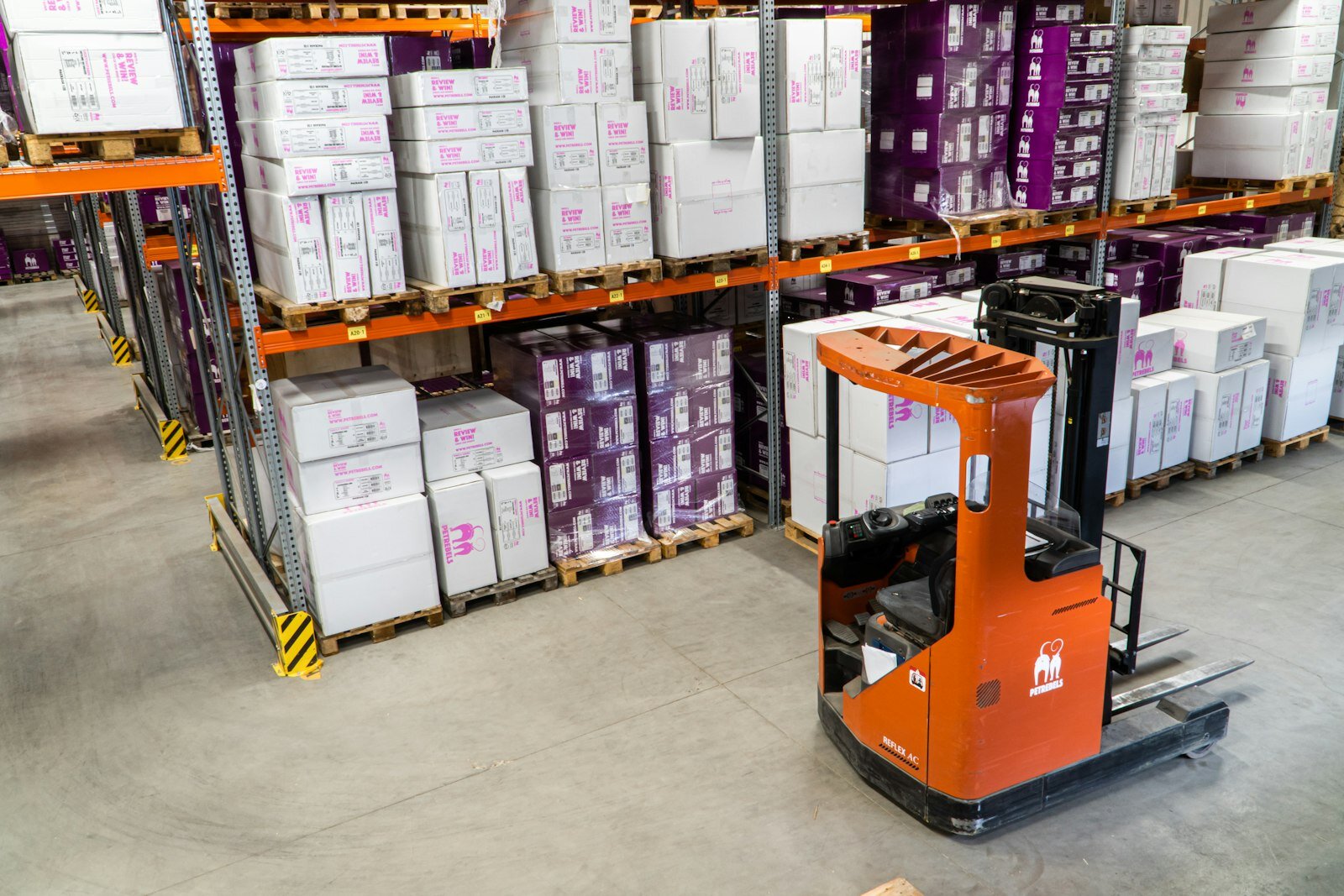
Industrial voices are saying the same thing from the floor. On September 17, Critical Manufacturing CEO Francisco Almada Lobo argued many AI pilots stall because agents connect straight to operational databases instead of a governed execution and capability layer—with authorization, sequencing, validation, and audit—and warned against “recommend vs execute” confusion when MCP bridges land on ops data. McKinsey (April 2026) found nearly two-thirds of firms have experimented with agents while under 10% scaled them; BCG’s AI Radar 2026 put average AI spend at just 1.7% of revenue.
On the same day as Appian’s PR, ERP Today covered Infor’s metal-fabrication pitch: stabilize ERP architecture and process mining (Velocity Suite’s discover/build/measure/expand loop) before Industry AI Agents. CloudSuite Industrial Enterprise, dimensional inventory, CPQ, and tight ERP–PLM–MES links come first; an Agentic Orchestrator then runs with traceable actions—not free-form writes into the plant.

For shops already living in change control, this is a BUS story first: states, transitions, and decisions that gate when an agent may act, with QMS-class evidence when MagMutual-style cycle cuts become the new normal. Loose agents against an ungovered MES or ERP surface recreate the stall Critical Manufacturing described; deterministic orchestration is the consolidation Gartner is pricing into 2030.
For N23D, the same graphical BUS surface is meant to carry flowchart-as-business—states, transitions, decisions, and automation; role-gated transitions and notifications; LeanIX-class enterprise architecture on that same canvas—so agents execute inside the model rather than around it.
Sources/References
- PR Newswire — Appian #1 for Deterministic Workflow Automation & Platform Consolidation (Gartner BOAT Critical Capabilities 2026) (September 21, 2026)
- Appian — BOAT report hub (Magic Quadrant & Critical Capabilities, dated September 15, 2026)
- Critical Manufacturing — Why so many AI initiatives stall at execution (Francisco Almada Lobo, September 17, 2026)
- ERP Today — Infor makes ERP architecture the starting point for metal fabrication AI (September 21, 2026)
- N23D — BUS stack page
- N23D — ERP stack page
- N23D — MES stack page
- N23D — PLM stack page
- N23D — QMS stack page