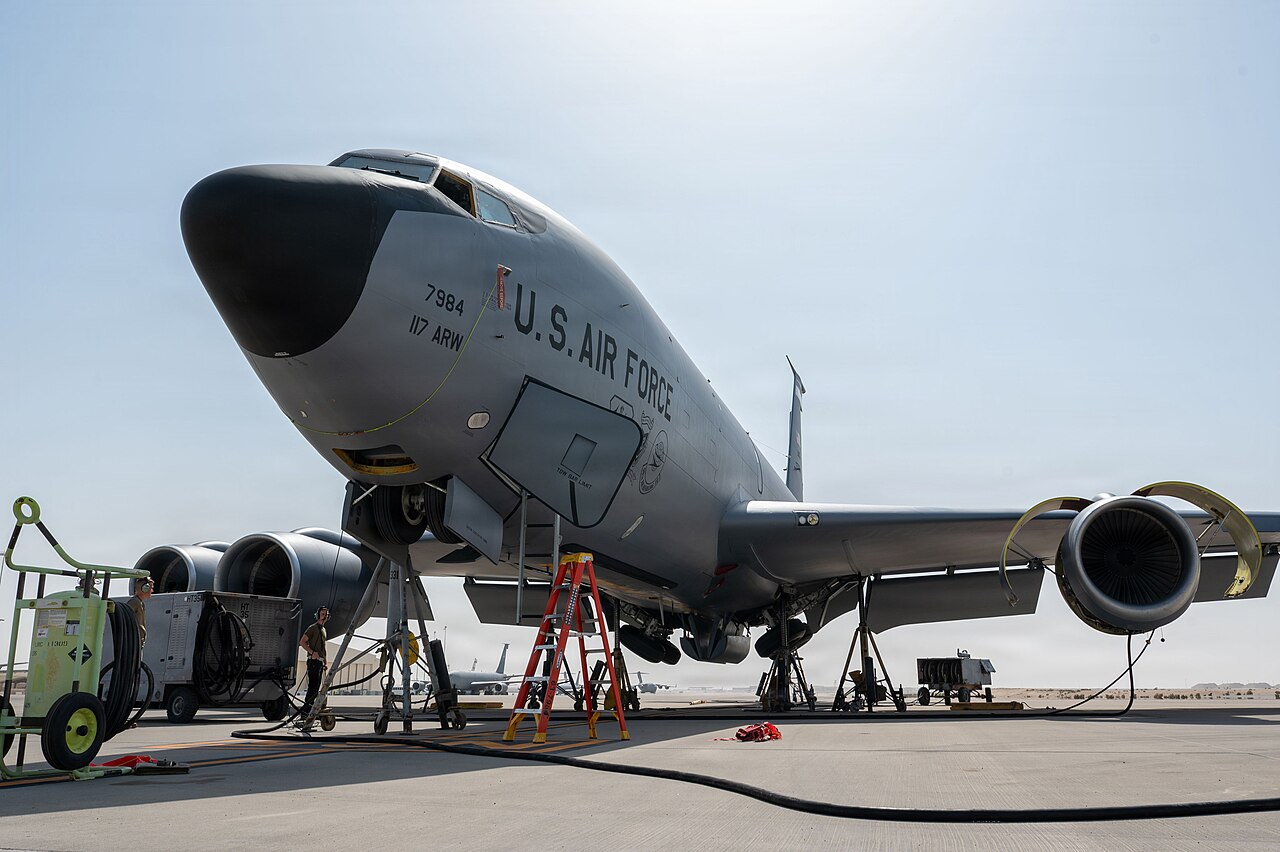
Before a tanker crew trusts its landing gear, maintainers jack the whole aircraft off the ground and swing the gear: retract, extend, watch every link, door and actuator move together. Nobody tests one strut on a bench and calls it done. Motion is a property of the finished assembly, so that is where it gets proven.
Most design software gets this backwards. A motion study is a separate add-on, run by one specialist, on a copy of the model, weeks before the last bracket changes. The result is a video and a slide, not a verdict. When the design moves on, the study quietly goes stale, and the first real collision shows up on the prototype.
N23D is being built to treat Kinematics as a diagnosis of the completed product, checked against its requirements. The tab only appears on a finished assembly, never while you are sketching a part. It drives the joints through their full travel and reports pass or fail on range of motion, clearances, collisions, speeds and loads, each one tied to the requirement it was meant to meet, like a lid that must open at least 90 degrees with 110 as the target.
Because the assembly, the requirement and the result live on one part identity in PLM, a failed clearance becomes a change against the released CAD revision instead of a note in someone’s inbox, and the next revision is checked the same way. One platform. Full digital thread. If the motion was never tested against the requirement, it was never really designed.
Featured photo: Airmen of the 379th Expeditionary Maintenance Squadron conduct a landing gear swing on a KC-135 Stratotanker, Feb. 4, 2026. U.S. Air Force photo by Tech. Sgt. Kristen Pittman, public domain, via Wikimedia Commons.
