Every multi-vendor stack comes with a compatibility matrix. The PLM connector supports these CAD releases. The ERP integration is certified against that PLM service pack. MES waits on the ERP patch. Moving any one piece means checking it against all the others, so upgrades turn into projects, projects get postponed, and plenty of shops run software that is years behind because touching one system could break three.
N23D doesn’t have that table, because it ships as one native Rust binary. CAD, CAM, PLM, ERP, MES and the rest are modules in the same build, compiled from one codebase in one language and released under one version number. There is no connector between PLM and ERP to certify, because they aren’t two products passing files. They read the same record.
That changes what an upgrade is. You replace one program, and every module moves together, already tested against each other before the release left the building. Nobody has to ask which CAD version the shop-floor integration supports, or schedule a weekend to bring five systems forward in the right order. And because N23D is a permanent license, the version you own keeps running whether or not you take the next one.
One platform. Full digital thread. If upgrading your CAD means calling your ERP vendor first, what you own isn’t a platform. It’s a compatibility matrix with a support contract attached.
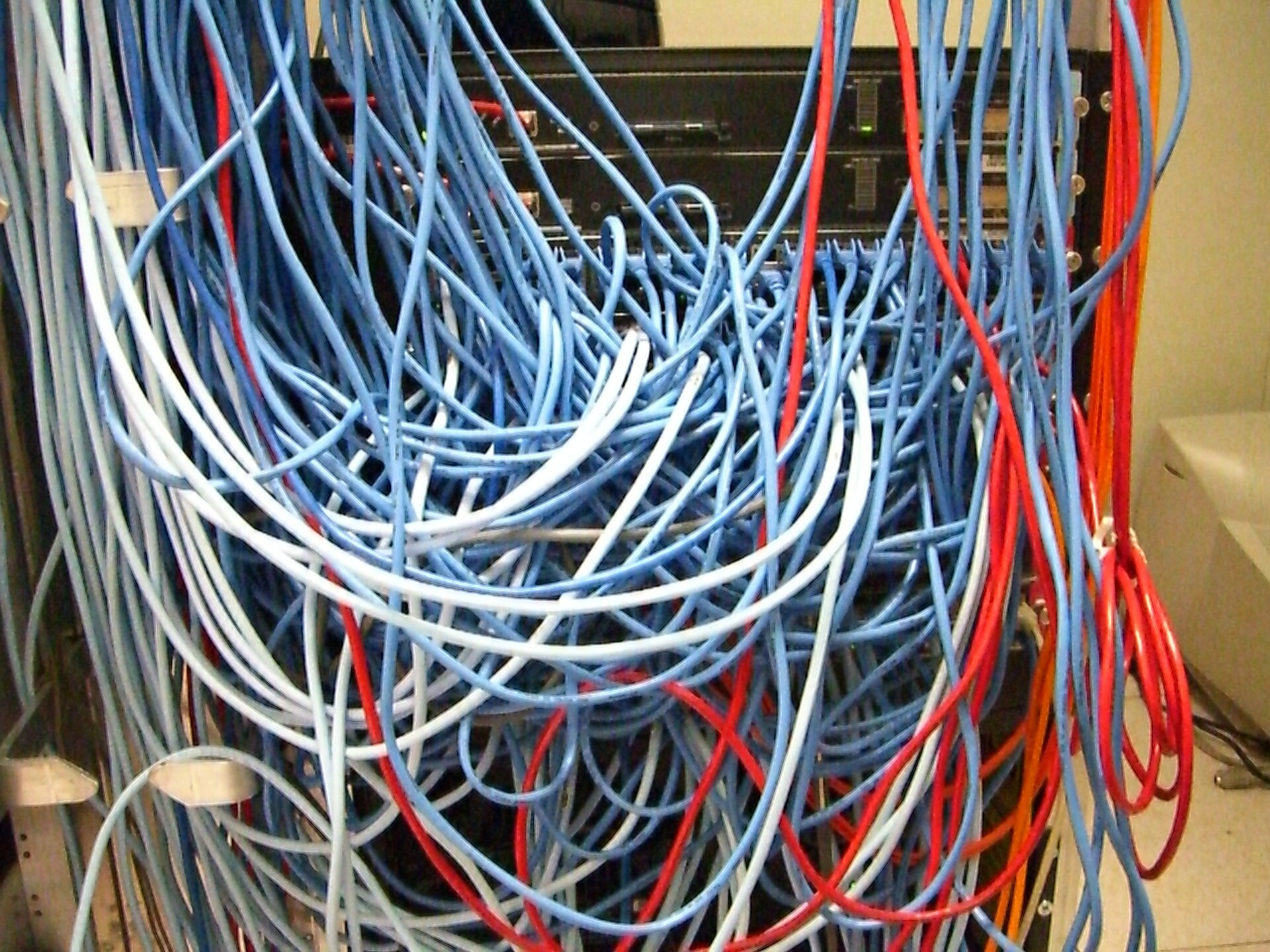
Featured photo: Server rack with spaghetti-like mass of network cables by Kim Scarborough, CC BY-SA 2.0, via Wikimedia Commons.
