
Nvidia has launched USD BRep, a standalone C++ and Python geometry kernel for NURBS-based boundary representation solid modelling, with native import and export of BRep data to and from OpenUSD. The public v1.0.0 release landed on October 8, and DEVELOP3D covered the launch today. Exact solids stay as mathematical faces and edges instead of being flattened into polygon meshes on the way into Omniverse-class pipelines.
That matters for AI-to-CAD. Training models on traditional feature trees and proprietary CAD metadata has been brittle. USD BRep exposes NURBS and BRep structures directly to Python and C++, so developers can feed exact geometric boundaries into neural nets or program generative models to emit manufacturable solids. For industrial digital twins, the same path keeps engineering geometry alive inside USD layers for real-time review instead of a dumb mesh approximation.
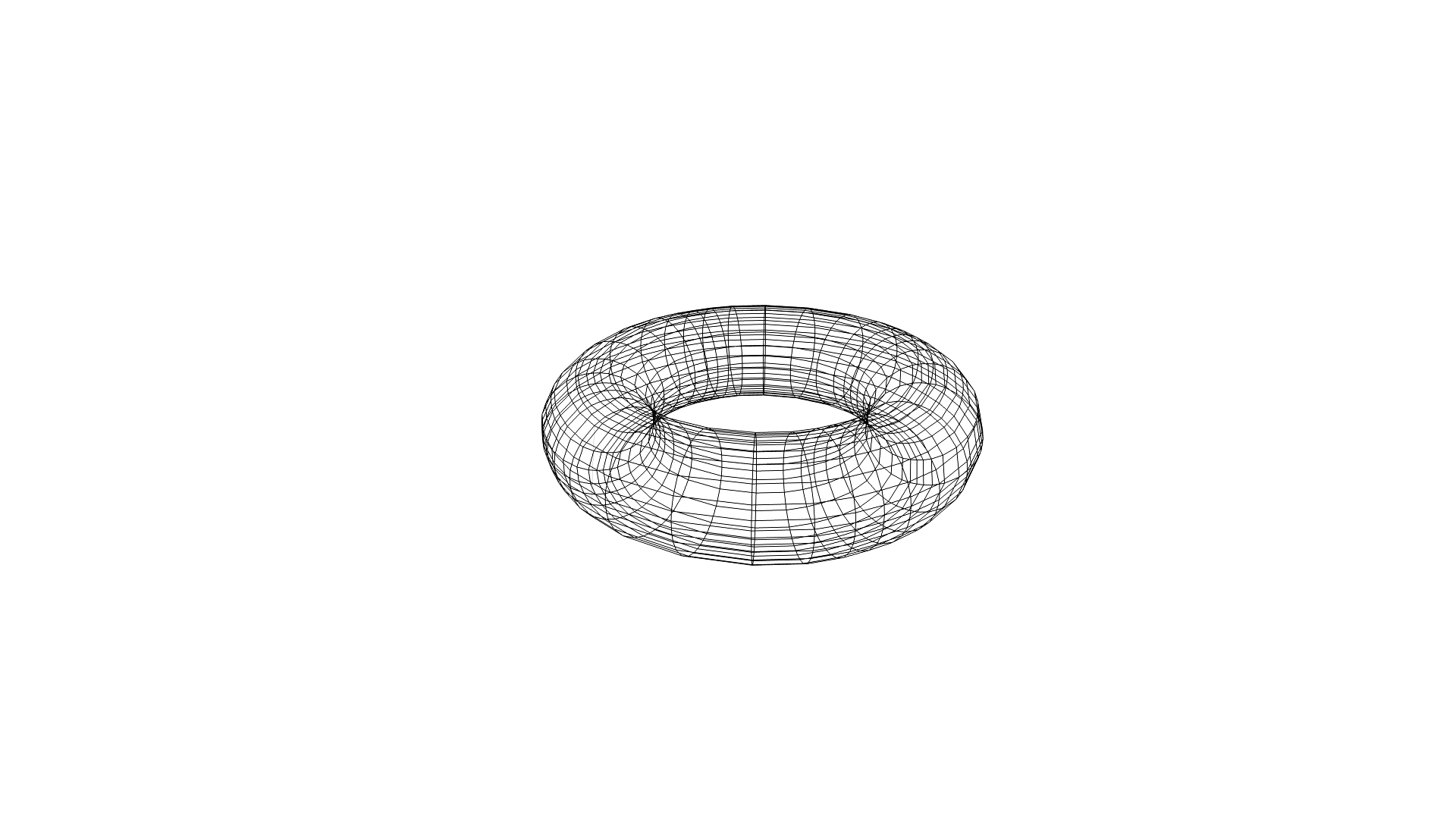

The kernel is not a greenfield experiment. It builds on SMLib, the Solid Modeling Library Nvidia acquired with Solid Modeling Solutions in May 2022. AWV Informatik’s ClassCAD has used SMLib for more than twenty years; CEO Weigel Rainer called it exciting to see the kernel go open source and watch what the wider CAD community builds. Nvidia’s framing is pipeline and interchange: move complex BRep math into OpenUSD and Omniverse without degrading it, not a campaign to replace every seat of NX or SOLIDWORKS tomorrow.
Siemens’ Parasolid still underpins a huge share of commercial CAD, including SOLIDWORKS and Onshape. Speaking to DEVELOP3D earlier this year, Siemens Digital Industries CEO Tony Hemmelgarn argued the industry does not need another free modeller so much as tight links from LLMs into the CAD tools teams already trust, with enough APIs to drive them. That coexists with Nvidia’s bet: if exact BRep can live natively in OpenUSD, AI and visualization stacks get cleaner data even while Parasolid remains the production kernel of record for many OEMs.
On the agent side of CAD, MecAgent shipped V2 this month, using GPT-6 Astra inside an open SOLIDWORKS session for text-to-CAD, image-to-CAD, STEP-to-SLDPRT with a reconstructed feature tree, assembly work, and BOM generation. A demo built an RC helicopter of about 56 parts and two subassemblies in under five hours of unmanned runtime. Spec-to-CAD agents still need a geometry kernel underneath that preserves exact solids when results leave the session.
For N23D, the story is storage and interchange as much as modelling. A modern CAD stack and PLM record have to carry exact BRep through revision, visualization, and downstream manufacturing — not a one-way collapse to triangle soup. OpenUSD-native solids plus agent-driven feature trees point at the same requirement: keep the math that defines the part, and keep it versioned with the product.
Sources
- Nvidia launches USD BRep geometry kernel for solid modelling, DEVELOP3D (Oct. 13, 2026)
- NVIDIA-Omniverse/usd-brep on GitHub
- USD BRep v1.0.0 release notes (Oct. 8, 2026)
- MecAgent targets complex CAD tasks with GPT-6 Astra powered V2, DEVELOP3D (Oct. 7, 2026)
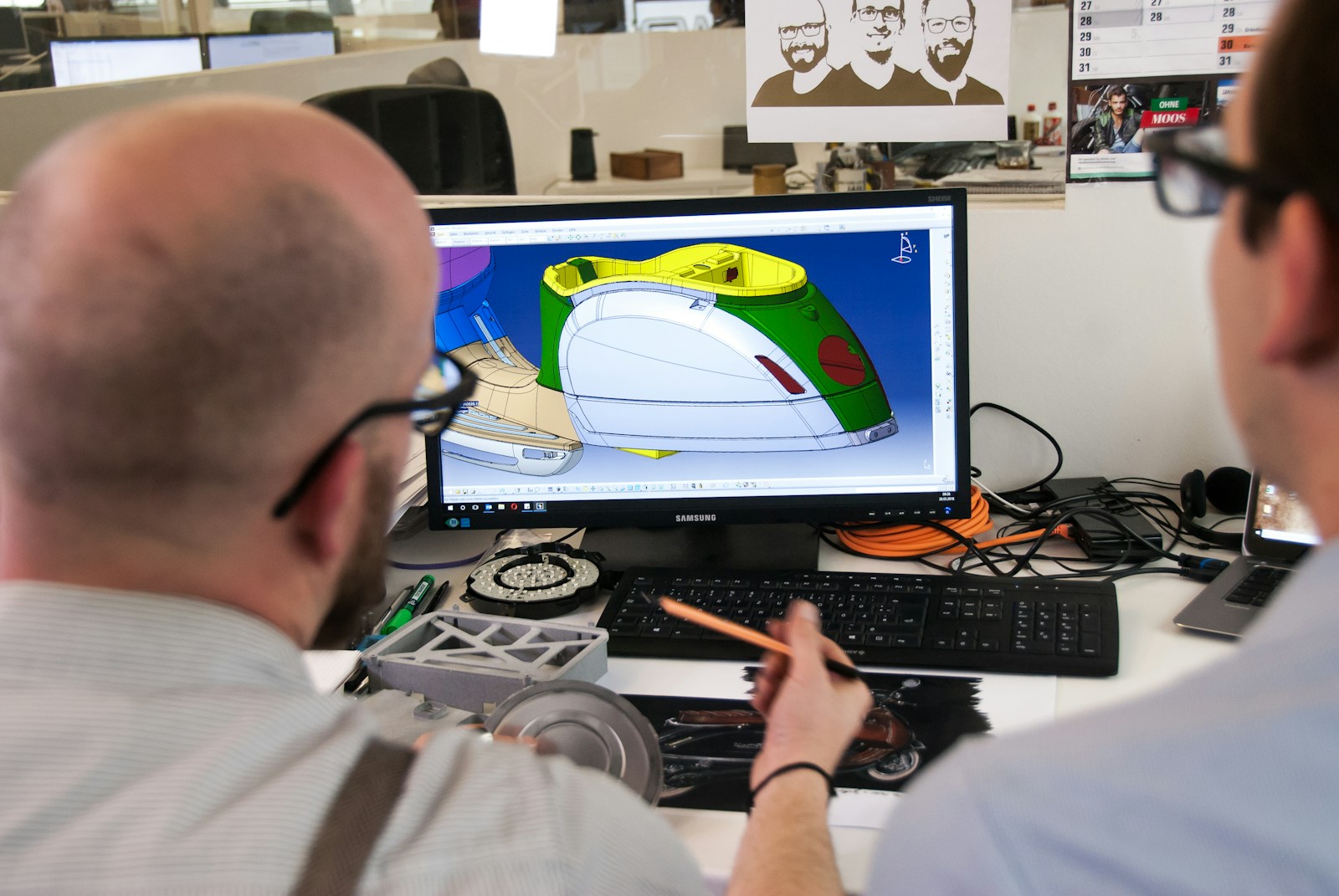
Featured photo: Betsy Crosbie — Mechanical Engineering CAD 2016 by WorldSkills UK, CC BY 2.0, via Wikimedia Commons.
