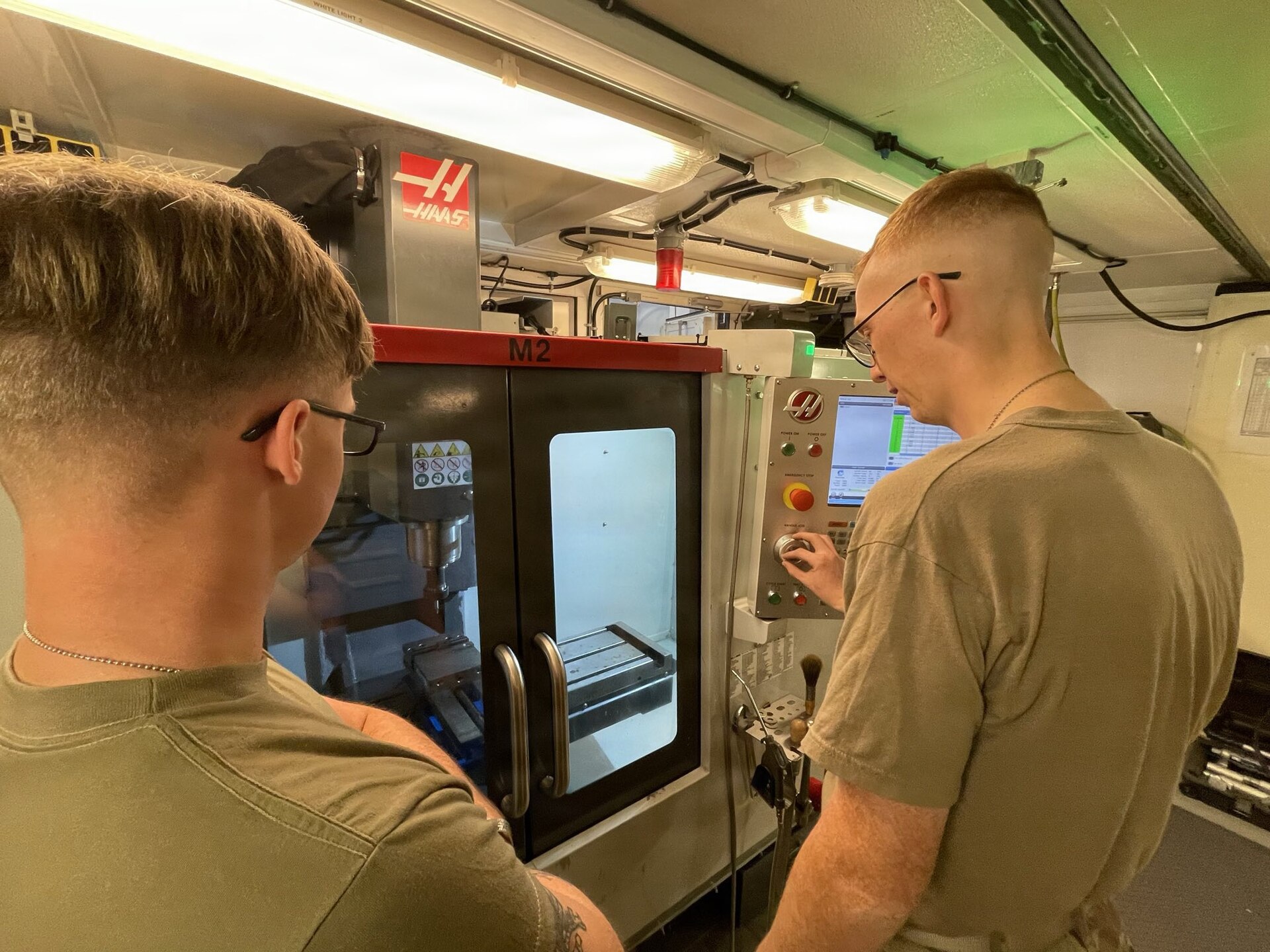
Walk past any CNC mill and look for the drawing. It’s a printout taped to the enclosure, or a PDF on a tablet someone exported last month. The operator can’t open the model, because a CAD or PLM seat costs real money every year, so seats go to designers and everyone downstream gets a copy. That isn’t a training problem. It’s what per-seat pricing is built to do.
Rationed seats decide who gets to see the truth. The machinist, the inspector, the buyer and the person quoting the job all work from an export, and every export is a snapshot that starts going stale the moment it’s made. When the revision changes, the paper on the machine doesn’t. The shop pays for that in scrap, rework and phone calls, not in the license line, so nobody budgets for it.
N23D is sold the other way. It’s a permanent license on one native Rust binary, so putting the live part record in front of the floor doesn’t add another yearly renewal. The operator opens the same released revision that CAD checked in, with the toolpaths CAM built on it, and a change goes through CCB where everyone downstream can see it. See how the record is kept in PLM.
One platform. Full digital thread. If your pricing model makes it cheaper to print a drawing than to show someone the part, the paper on the machine is the real cost of your software.
Photo: Capt. Robert Wooldridge, U.S. Army 310th ESC / DVIDS (public domain), via Wikimedia Commons