Siemens Digital Industries Software announced on September 28, 2026 the latest Simcenter Testlab updates—centered on release 2606 / Testlab Neo—to cut handoffs between measurement, processing, validation, and data management. Plano-issued coverage frames next-generation Neo workflows with up to 35% efficiency in structural dynamics testing and up to 60% faster noise, vibration and harshness (NVH) prediction before physical prototypes exist.
Structural dynamics is the first half of the efficiency claim. Neo completes end-to-end FRF and modal paths with Shaker Acquisition, MLMM, Modal Synthesis, Impact Acquisition, Virtual Instrumentation, and Virtual Point Transformation in one environment—so non-experts can set up and run tests more consistently while specialists spend less time re-formatting between tools. Siemens positions that integrated path as the finish line for the Neo transition, not a side plugin.
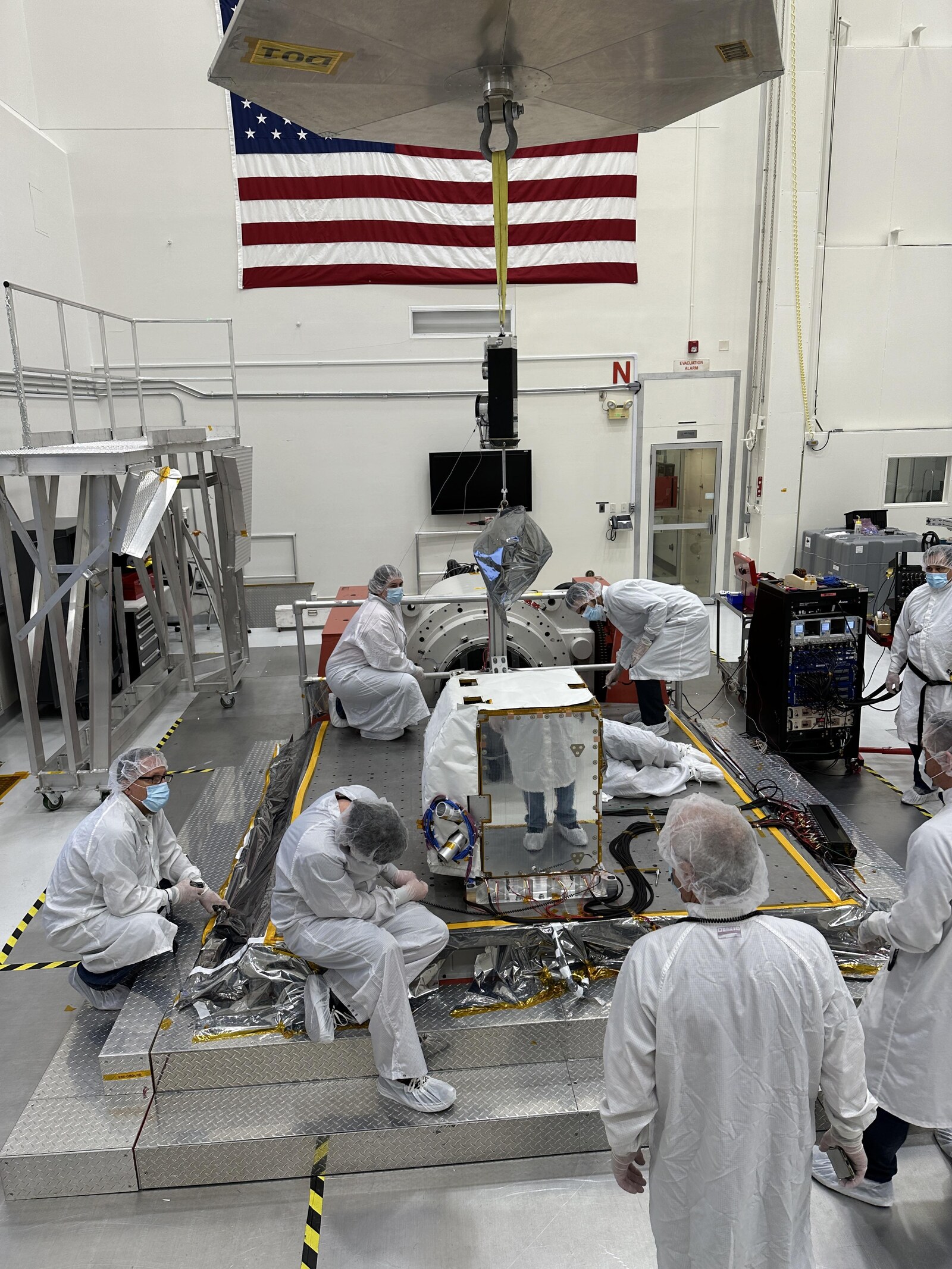
On the vehicle side, System NVH Prediction in Neo 2606 stitches Characterize → Assemble → Assess: time-domain Transfer Path Analysis, Adaptive Tikhonov load estimation, Mount Stiffness, Virtual Prototype Assembly definition inside Neo, experimental frequency-based decoupling, and NVH Simulator listening with stereo synthesis and live scenario replay. Siemens cites industrial benchmarks averaging up to 60% workflow gain versus multi-tool classical TPA/VPA chains—including large jumps on virtual-point processing and multi-condition pre-processing.
Aerospace and defense get a de-risking loop: virtual shaker testing derives a model of the complete test setup so teams can evaluate qualification scenarios and controller settings before applying full levels to expensive hardware, backed by Model Compare between predicted and measured FRFs. Parallel tracks industrialize ISO 20270 blocked-force component extraction for reusable NVH models and push AI-ready annotation, Schedule Acquisition, and Process Designer automation so test data stays contextualized for downstream analytics.
Access expands without another seat tax: Simcenter Testlab Go and SCADAS Go are license-free time-data acquisition extensions for Simcenter SCADAS hardware—no dongles or network license drama for measure, monitor, and validate—while SCADAS RS gains field NVH durability features such as AC calibration, autorange, and torsional vibration support. That is Siemens widening the capture layer so labs and proving grounds can keep filling the same vault.
For N23D, Testlab 2606 is another vendor proof that simulation-plus-test only works when geometry, loads, and provenance stay in one owned loop. N23D targets that as a single native Rust binary: local-first CAE beside vaulted CAD and PLM you control when the seat clock or cloud SKU changes.
Sources/References
- Siemens — Simcenter Testlab accelerates physical testing (press, September 28, 2026)
- Siemens Simcenter blog — What’s new in Simcenter Testlab 2606 (September 22, 2026)
- Siemens Simcenter blog — System NVH prediction workflows in Testlab 2606 (September 21, 2026)
- N23D — CAE stack page
- N23D — CAD stack page
- N23D — PLM stack page