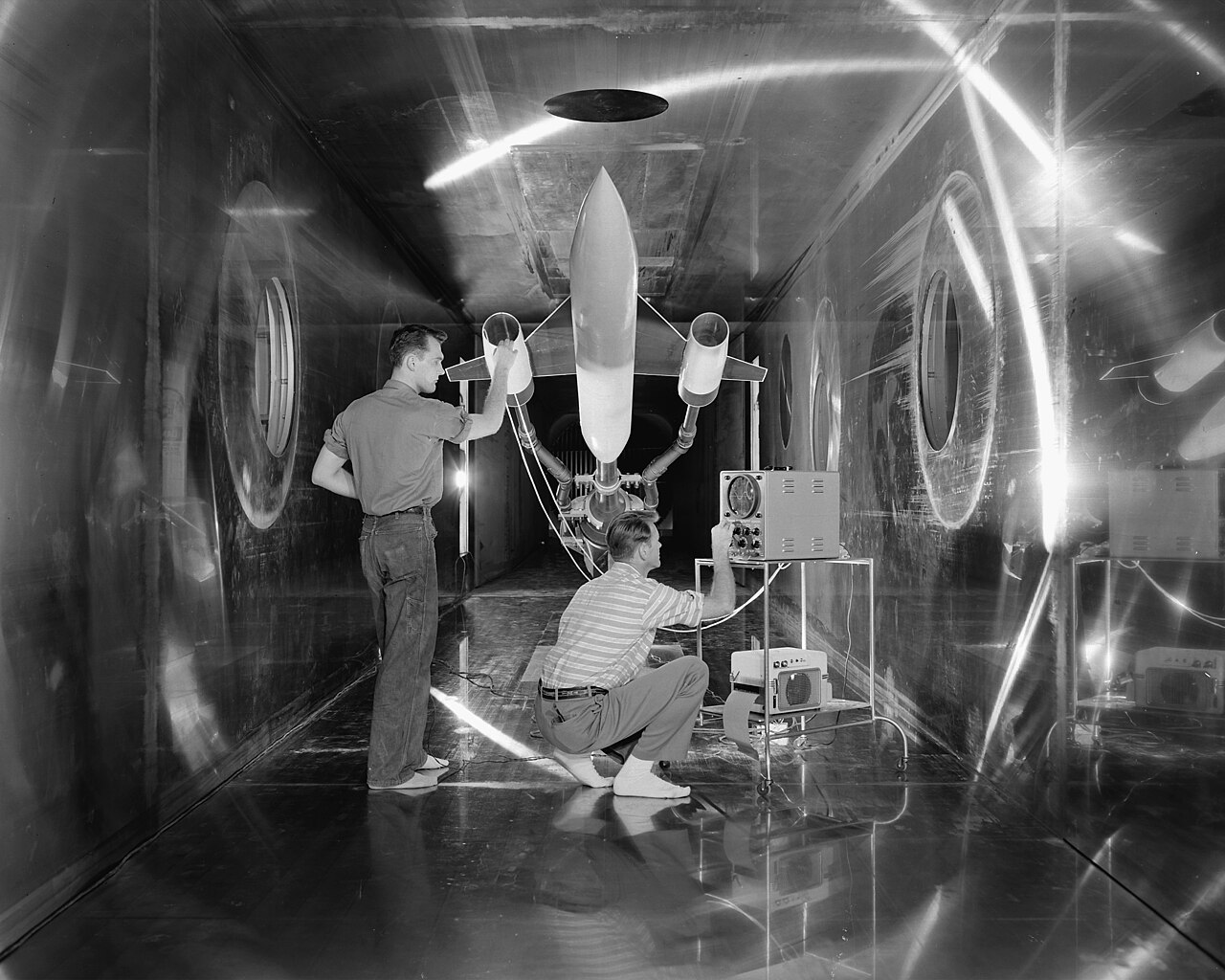
In 1957, before a run in NASA’s 10-by-10-foot supersonic wind tunnel, engineers climbed into the test section and checked the model itself. A tunnel result is only worth something if you know exactly which shape was sitting in the airflow. Change the nose and the old data describes an aircraft that no longer exists.
Most simulation today skips that step. The analyst exports a copy of the geometry, meshes it, picks material values from a spreadsheet and saves the results in a folder named something like final_v3. By the time the design review signs off on the stress plot, the CAD model has moved two revisions, and nobody can say which geometry, which alloy and which load case produced the picture everyone approved.
Faster solvers don’t fix this. GPUs are turning multi-week runs into overnight jobs, and that only means you get the answer sooner for a part you may no longer be building. The real failure is structural: the solver, the CAD system, the materials library and PLM each keep their own copy, so nothing tells you when a result has gone stale.
N23D is being built so every CAE study points at the released CAD revision, the MAT record and the requirement it checks, all on one part identity. When the geometry or the material changes, the result is flagged stale and has to be rerun before release. One platform. Full digital thread. If you can’t say which revision a simulation ran on, you don’t have a simulation. You have a picture.
Featured photo: Engineers check a supersonic aircraft model before a test run in the 10-by-10-foot Supersonic Wind Tunnel, July 31, 1957. NASA Glenn Research Center photo, public domain, via Wikimedia Commons.
