Siemens posted on September 17 that Teamcenter 2606 can clone product structures containing up to one million parts—a practical ceiling for shipbuilding, aerospace, heavy equipment, and defense programs that already live at hundreds of thousands of interconnected items. The pitch is not a prettier tree view; it is bulk processing and parallel execution so derivative programs start from a proven engineering BOM instead of a weeks-long rebuild. For industrial PLM, structure reuse at that scale is the difference between launching a variant and reinventing the product definition.
Will Haines’ Teamcenter write-up frames the pain clearly: as products grow more complex, the hard problem is not storing a large structure—it is duplicating it while keeping relationships, configuration context, ownership, and program-specific requirements intact. Siemens says 2606’s cloning path was engineered for that million-part scenario inside practical engineering timeframes, so teams can adapt templates rather than recreate piping, HVAC, structural sections, and equipment arrangements from a blank slate.
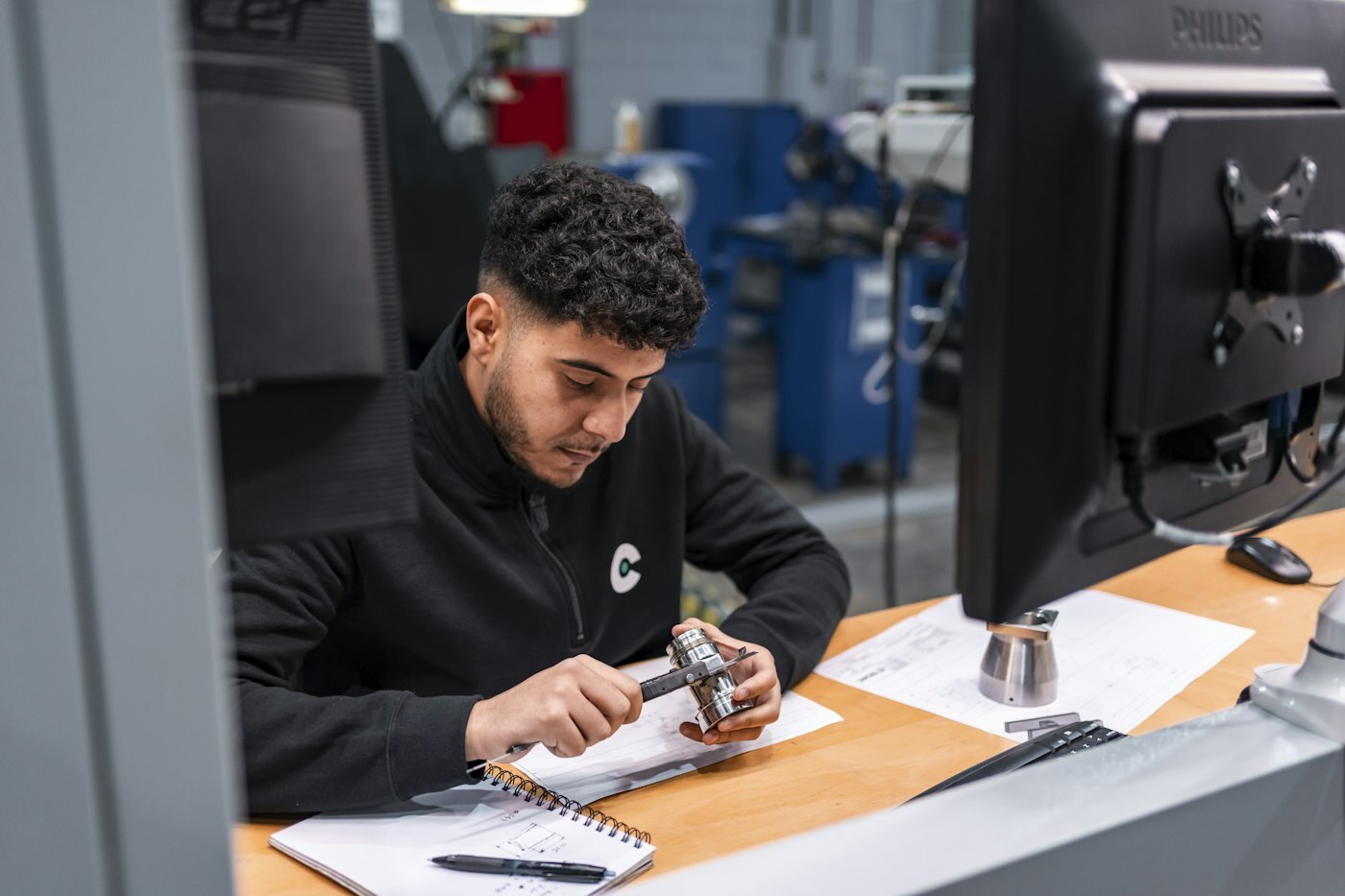
That matters most where reuse is already how programs get funded. Shipbuilders routinely base new vessels on prior designs and standard sections; aerospace and mining equipment follow the same pattern across generations. Earlier this year HD Hyundai named Siemens a preferred partner for its “Future of Shipyard” digital-thread push—exactly the environment where cloning a million-part structure without losing configuration context becomes table stakes, not a demo. The same pattern shows up wherever a digital thread must keep engineering, manufacturing, and service on one product definition.
Performance is only half the claim. Siemens stresses that cloning preserves relationships, dependencies, ownership, project assignments, and associated design data so downstream teams can keep working without re-validating every link by hand. That is configuration integrity for CAD-backed assemblies at program scale—and a BUS reminder that derivative launches still need role-gated transitions when a cloned structure becomes the next product’s system of record.
For N23D, the bar stays the same as any vendor claim about million-part reuse: the clone has to carry auditable provenance—who owned which branch, which configuration rules applied, and what changed after the copy—inside one vault, not a SaaS black box that forgets context when the seat expires.
N23D ships as one native Rust binary: local-first CAD with vaulted PLM so derivative programs start from your proven structure, with relationships and ownership still under your control when you launch the next variant.