Vestas, the wind turbine maker with more installed capacity than anyone else, has signed a new global contract with CoLab to move its engineering design reviews, including reviews with suppliers, onto one platform. CoLab announced the deal on October 8, 2026. The goal is shorter review cycles on complex parts, where feedback from engineering, manufacturing and the supply base all has to land before a design is released.
The change is less about new software than about where reviews happen. Vestas will move supplier reviews out of disconnected markup tools, emailed files and meetings and into CoLab Portals, a shared workspace where engineers, suppliers and design partners comment directly on 2D and 3D data. Vestas teams are already running live model-based design reviews there as part of a push to standardize model-based definition. Keeping files on one secure platform instead of mailing them through a multi-tier supply base also tightens IP control.
.jpg)
The more interesting part is what gets kept. Vestas says the reviews will capture design rationale, the reason a feature changed, so expert feedback can shape future turbines and not just the current program. It is also testing CoLab’s AI checker, AutoReview, to apply Vestas design-for-manufacturing guidelines automatically during reviews. The whole setup is integrated with Vestas’ enterprise PLM system, so each part carries its full design history. Martin Skov Jensen, Vestas SVP for R&D transformation, said the platform captures data, including rationale, that the core systems did not.
Two other moves this week point the same way. In India, Jakson Green Vehicles selected Dassault Systèmes’ 3DEXPERIENCE platform on October 8 to replace legacy tools for electric vehicle development, citing supplier connection, approvals and engineering change management run through standard libraries and automated workflows. On October 6, Siemens described Teamcenter Product Support Data Management, which pulls aerospace and defense logistics and maintainability data into the design phase and supports the GEIA-STD-0007 logistics data standard.


Look closely and each deal is an attempt to stitch back together information that today lives in separate tools: review comments in one place, the released part in another, supplier markups in email and maintenance needs in a logistics system. Vestas solves it with a review layer bolted onto PLM. Siemens solves it with another Teamcenter module. Either way the customer is paying to integrate systems that were never one system.
That is the gap N23D PLM is built to close. In N23D, a design review comment, the reason behind it and any supplier markup attach to the same part revision that N23D CAD edits and that N23D QMS inspects, so the rationale and the release record are one history instead of two databases kept in sync.
Sources
- Business Wire via FinancialContent: CoLab Announces New Global Contract With Vestas to Accelerate Supplier Collaboration (October 8, 2026)
- CoLab Software
- Vestas Wind Systems
- DailyCADCAM: Dassault Systèmes’ 3DEXPERIENCE Platform Powers Jakson Green Vehicle’s Innovation in Electric Vehicle Manufacturing (October 8, 2026)
- Siemens: Turn product support insights into lifecycle savings with Teamcenter PSDM (October 6, 2026)
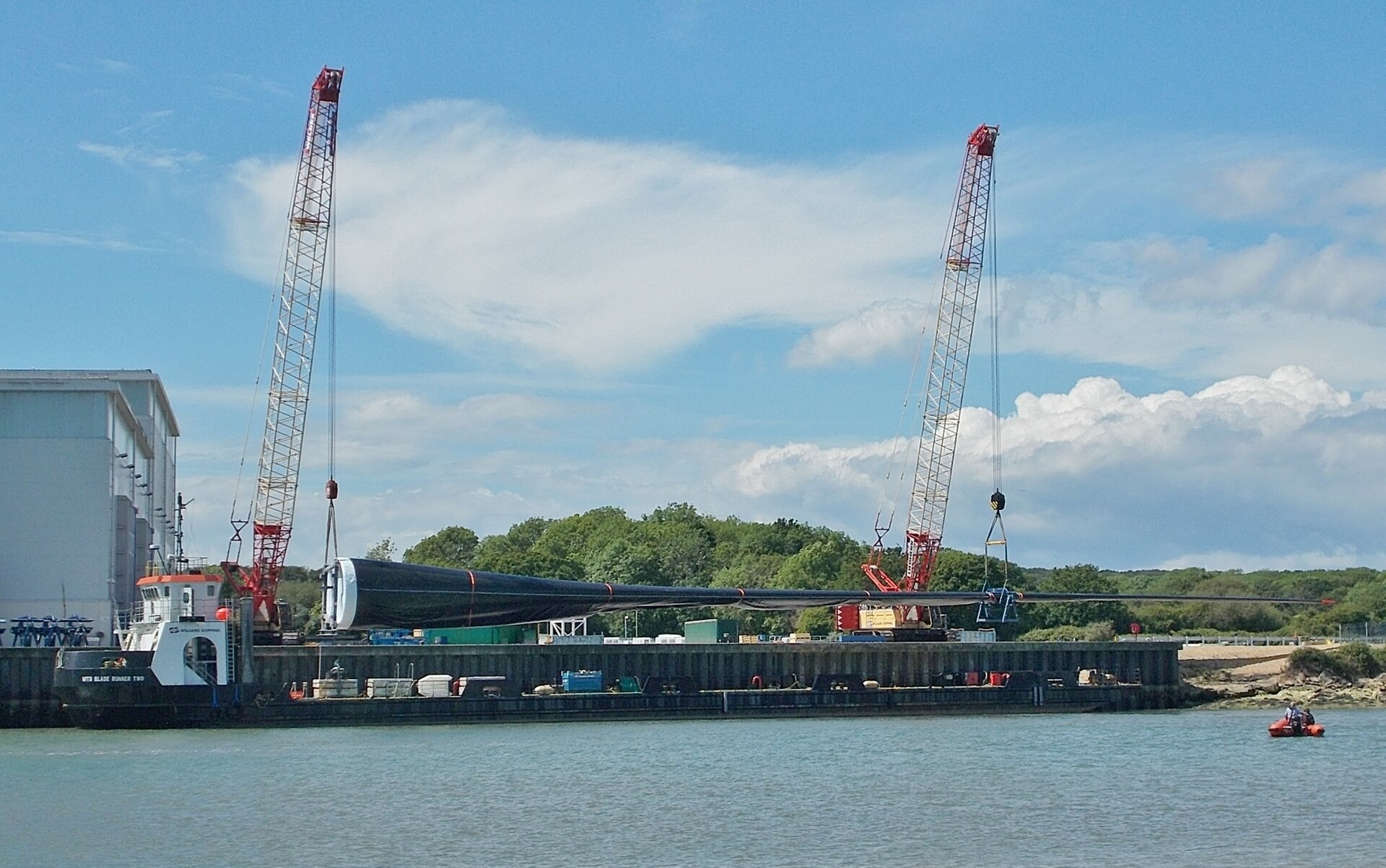
- Featured photo: Vestas blade factory, River Medina, Isle of Wight, by ITookSomePhotos, CC BY-SA 4.0, via Wikimedia Commons
