MachineWorks said on October 6, 2026 that SolidCAM has built MachineWorks GPU into the simulator in SolidCAM 2026. The GPU engine builds an accurate in-process stock model in seconds rather than minutes or hours, so a programmer can look over a whole large job, or just the risky parts of it, before running a full simulation on the final setup. For most machining operations it computes intersections from analytic equations instead of a tessellated mesh of the swept tool, which keeps the result precise as well as fast.
The change people will notice first is raytracing. SolidCAM’s Anthony Calderone said CPU raytracing in earlier releases was accurate but slow enough that it was hard to use interactively, and that in SolidCAM 2026 “the GPU raytrace is so fast it can be turned on all the time.” MachineWorks added GPU raytracing of analytic surfaces in version 8.8, and its own demo shows scallops on a large mold surface becoming visible as the camera zooms in, so surface finish and leftover stock can be checked on screen before any metal is cut.

The next step is the whole machine, not just the tool and the stock. In a preview of MachineWorks 8.9, the company says it is moving kinematics and collision detection for the full machine environment onto the GPU. Its sample clash model was computed from 186,028 successive axis motions in 4.1 seconds on a laptop GPU. Paired with its Snapshots bookmarks, the stock can be rebuilt at any point in a job within seconds, so an operator can replay a clash and see why it happened. MachineWorks managing director Fenqiang Lin said full GPU machine kinematics and collision detection are planned for later this year.
This is not one vendor’s bet. ModuleWorks, whose components also sit inside many CAM products, added GPU machine simulation in its 2026.04 release in April, speeding stock updates and collision checks for parametric and mesh tools and falling back to the CPU when an operation is not supported. The same release brought VoluMill’s chip-load control to multi-axis roughing and turning, and SmartRoughing to 3+2 roughing using Kennametal tooling data. MachineWorks lists Dassault Systemes, Autodesk, Hexagon, OPEN MIND, DMG MORI, Okuma, and Heidenhain among the companies that embed its engine.
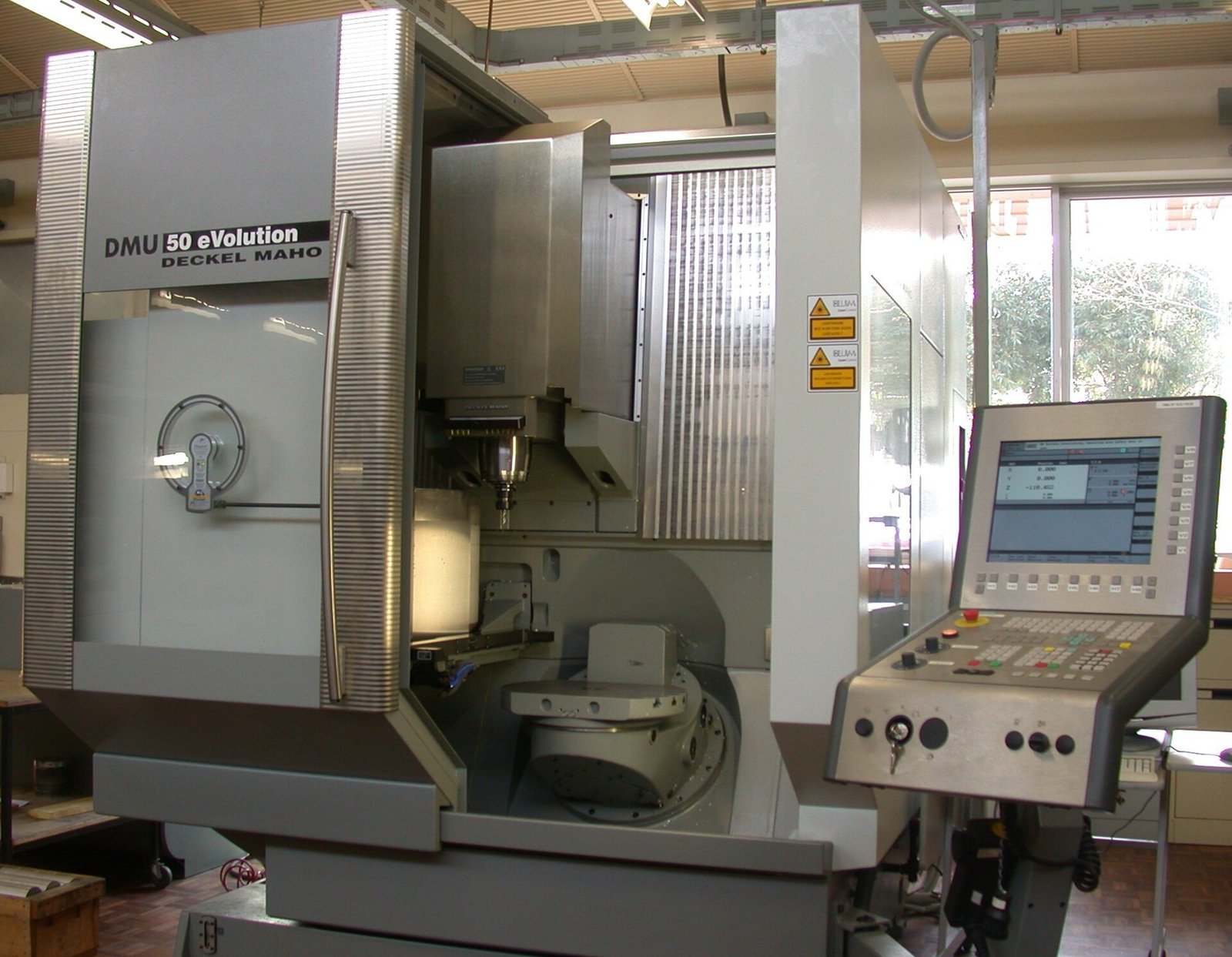

Fast checking still depends on an accurate machine and post. ENCY launched its Digital Machine Center with ENCY 3.0, a searchable catalog of 596 machine schemas, 237 postprocessors, six NC-code interpreters, and five Digital Machine Kits that pair a post with a machine model, such as a DMG MORI DMU 80FD on a Siemens SINUMERIK 840D. ENCY’s point is that a machine name alone does not guarantee a match, because kinematics, auxiliary equipment, and the control all change what the program and the simulation need. It plans to let dealers and specialist developers sell their own posts and models there.
N23D’s CAM module is being designed so the toolpath, the machine model, the post, and the verification run in the same Rust binary as CAD and CAE, rather than as separate engines passing files. In that design, the stock model updates as the toolpath is edited, and the verified program travels to MES together with the exact machine definition it was checked against. GPU speed matters most when checking is cheap enough to happen on every edit, not only once before release.
Sources and references
- DailyCADCAM: SolidCAM Upgrades its Simulator by Integrating MachineWorks GPU into SolidCAM 2026 (MachineWorks announcement, October 6, 2026)
- MachineWorks: MachineWorks 8.9 Preview: GPU-powered machine simulation and a new reference app for offline recordings (September 14, 2026)
- MachineWorks: MachineWorks 8.8 New Features
- ModuleWorks: ModuleWorks 2026.04 Software Release Now Available (April 9, 2026)
- ModuleWorks: What’s New in Software Release 2026.04
- Machinery Market: ENCY launches ‘Digital Machine Center’ (October 2, 2026)
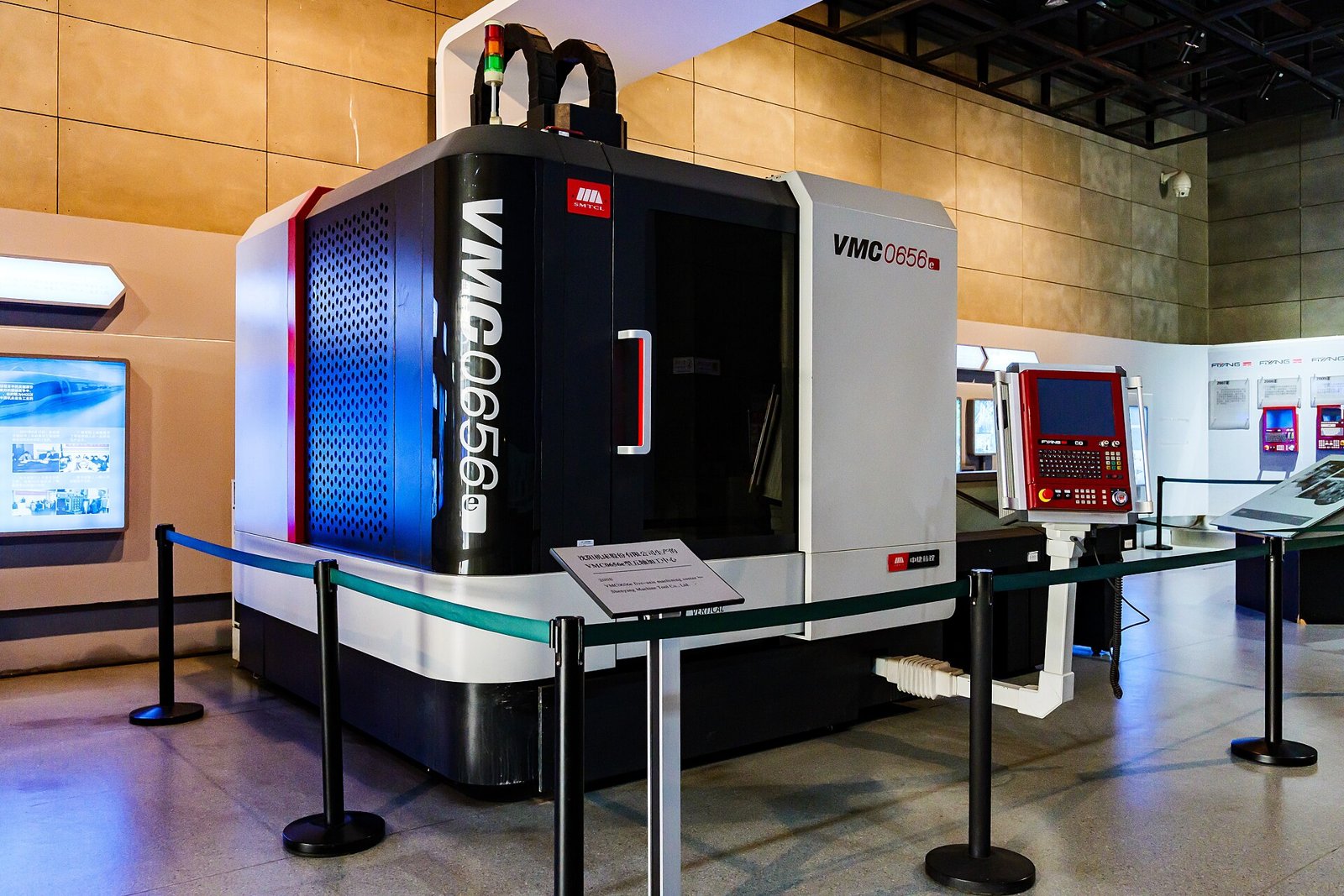
- Featured photo: SMTCL VMC0656e five-axis machining center, by TurnOnTheNight, CC BY-SA 4.0, via Wikimedia Commons
