
Vinci, a Palo Alto company that builds physics simulation for hardware engineering, said on October 6, 2026 that it has raised a $250 million Series B at a $1.5 billion valuation. Advent, Temasek and Xora co-led the round, with AMD Ventures, Madrona and existing investors Eclipse and Khosla Ventures taking part. Vinci’s product, which it calls Continuous Physics Reasoning, is meant to give engineers solver-accurate thermal, thermo-mechanical and convective fluid results while a design is still being edited, instead of at separate simulation checkpoints. It has been sold first into semiconductor design.
Vinci says the platform handles manufacturing-scale designs from hundreds of millions to more than 15 billion degrees of freedom in minutes rather than hours or days, and runs zero-shot on new designs without customer-specific training. It combines automated design preparation, a foundation model for physics and GPU-native physics kernels. On its website, Vinci shows one thermal case with 117,440,512 degrees of freedom solved in 20 seconds, against 2 hours for a commercial FEA solver, with a predicted maximum of 100.00 °C versus the solver’s 101.11 °C. The Next Web noted that the company’s claim of up to 1,000 times faster runs has not been independently verified.
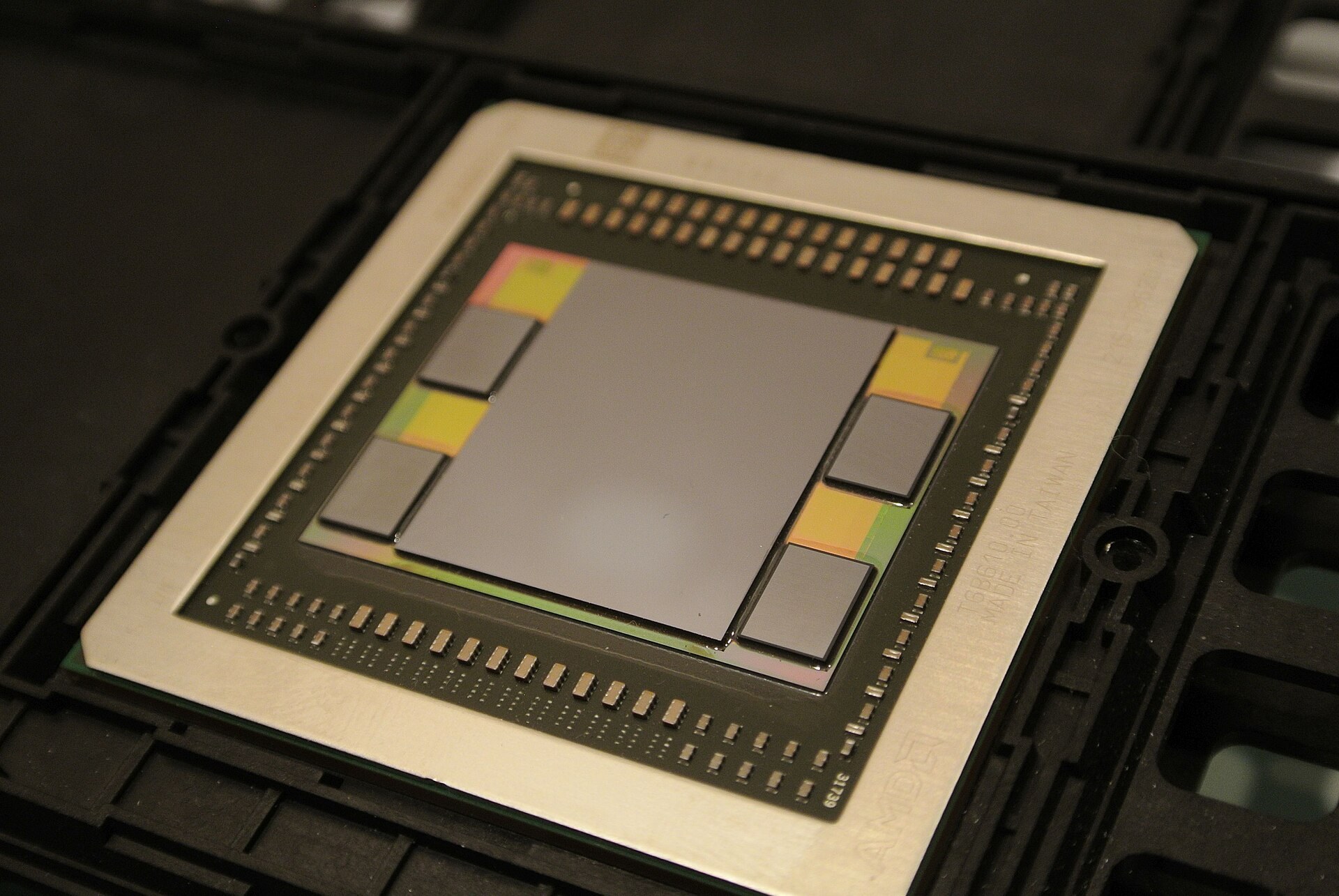

Vinci says the money will take it from thermal, thermo-mechanical and fluid behavior toward broader physical coverage, from memory and advanced computing to vehicles, aircraft and satellites, and from predicting behavior toward suggesting what should change in a design. Chief executive Hardik Kabaria told Reuters, as reported by The Next Web, that the next step is to grow pilot deployments with customers from two to 20, and that the funds will pay for computing power and hiring. AMD’s Brian Amick said in the announcement that advanced systems require understanding how thermal, physical and electrical behavior interact across the chip, package and board.
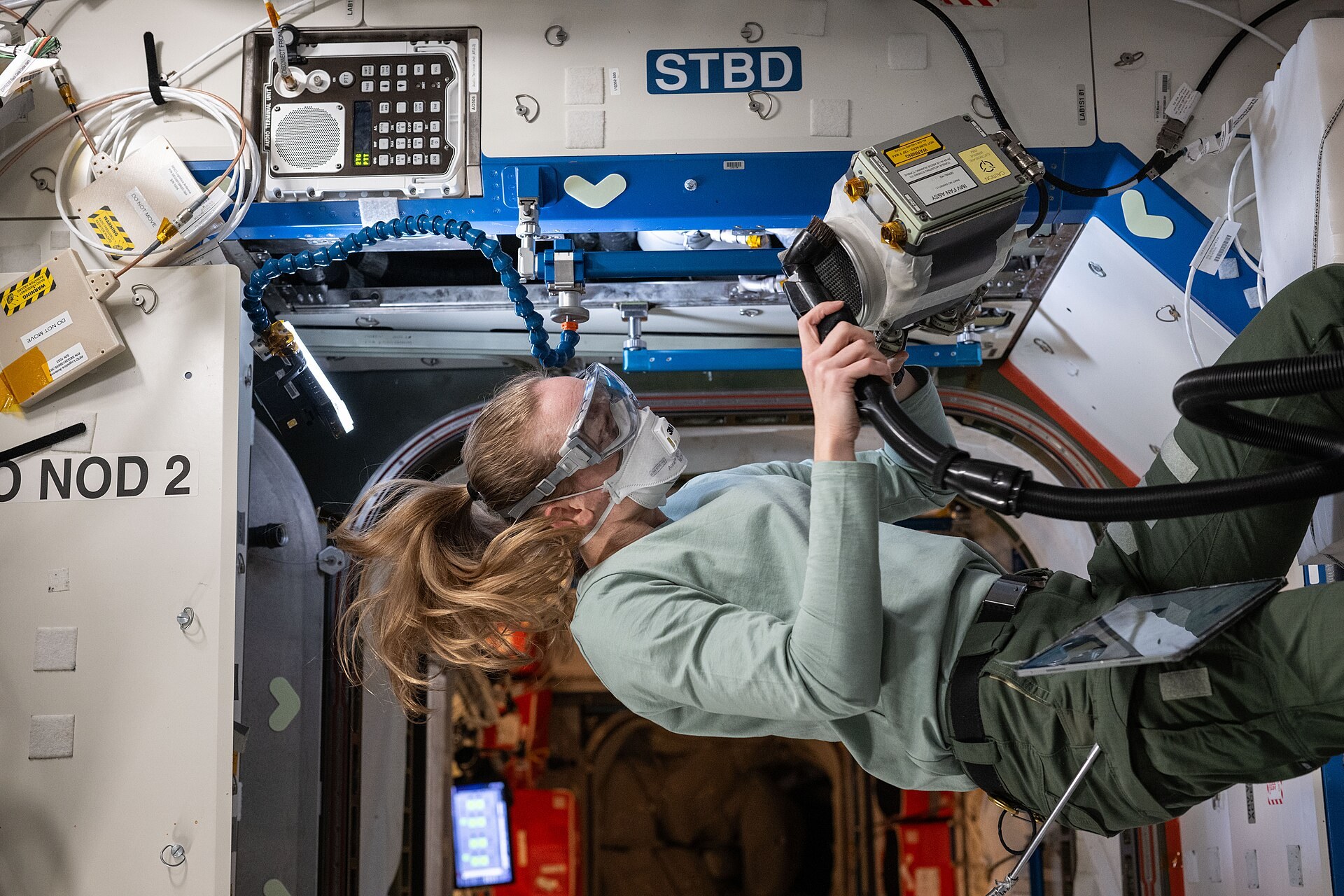
The same day, Flexcompute said it is working with Starlab Space and Voyager Technologies to simulate cabin airflow inside Starlab, the commercial station planned as a successor to the International Space Station. In microgravity warm air does not rise, so exhaled carbon dioxide can linger around crew members unless ventilation keeps it moving. Flexcompute used its GPU-native CFD platform Flow360 and its GeometryAI geometry preparation engine to model airflow across the full station interior. The company says the first study closely matched Starlab’s existing models in a fraction of the time of traditional CFD tools, and the teams are now modeling how exhaled CO2 moves through the cabin and how the life support system removes it.
.jpg)
Starlab is designed to launch in a single flight, so its life support layout has to be right before it leaves the ground. “Life support airflow can’t be fully tested on the ground, so simulation carries much of the design work,” Flexcompute co-founder and president Vera Yang said. Also on October 6, Keysight said ADS 2027 and RF Circuit Simulation Professional now include Model Context Protocol servers, macro recording and Python script generation, so a customer’s AI agent can carry out RF design tasks and then run Keysight simulation to check its own output. COMSOL said in September that COMSOL Multiphysics version 2027, due later this fall, adds its own MCP server for AI agents.
All three announcements move the solver earlier in the work, either inside the design loop or behind an AI agent as its check. N23D’s CAE module is being designed to run analysis in the same Rust binary as CAD, so a study is tied to the exact revision it was run against and can be re-run when that geometry changes. In that design, the result is stored with the revision in PLM rather than left in a separate simulation platform, so a reviewer can see which version of the part a fast answer actually describes.
Sources and references
- Advent International: Vinci raises $250M Series B at $1.5B valuation to build the intelligence infrastructure for a new era of hardware engineering (October 6, 2026)
- Yahoo Finance: Vinci Raises $250M Series B at $1.5B Valuation (October 6, 2026)
- The Next Web: Chip simulation startup Vinci raises $250m at a $1.5bn valuation (October 6, 2026)
- Vinci: Physics AI for Engineering Simulation
- PR Newswire: Flexcompute Collaborates with Starlab and Voyager on GPU-Native Simulation of Critical Space Station Life Support System (October 6, 2026)
- Flexcompute: Flow360
- AIwire: Keysight Advances Its Design Software with Agentic AI (October 6, 2026)
- COMSOL: System-Level Modeling and Agentic AI Take the Spotlight in COMSOL Multiphysics Version 2027 (September 16, 2026)
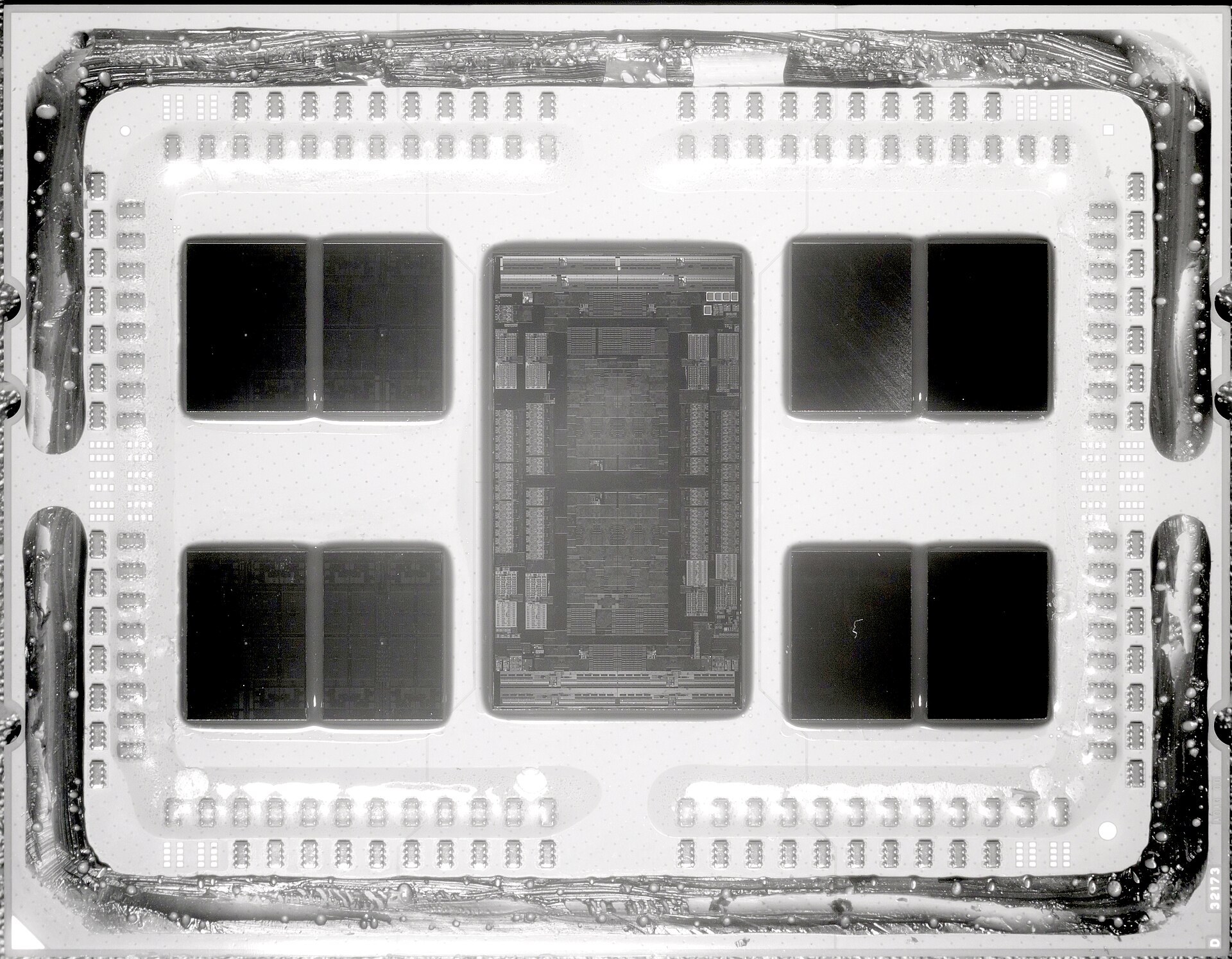
- Featured photo: near-infrared photograph of a delidded AMD Epyc 7702 engineering sample, by Fritzchens Fritz, CC0, via Wikimedia Commons
