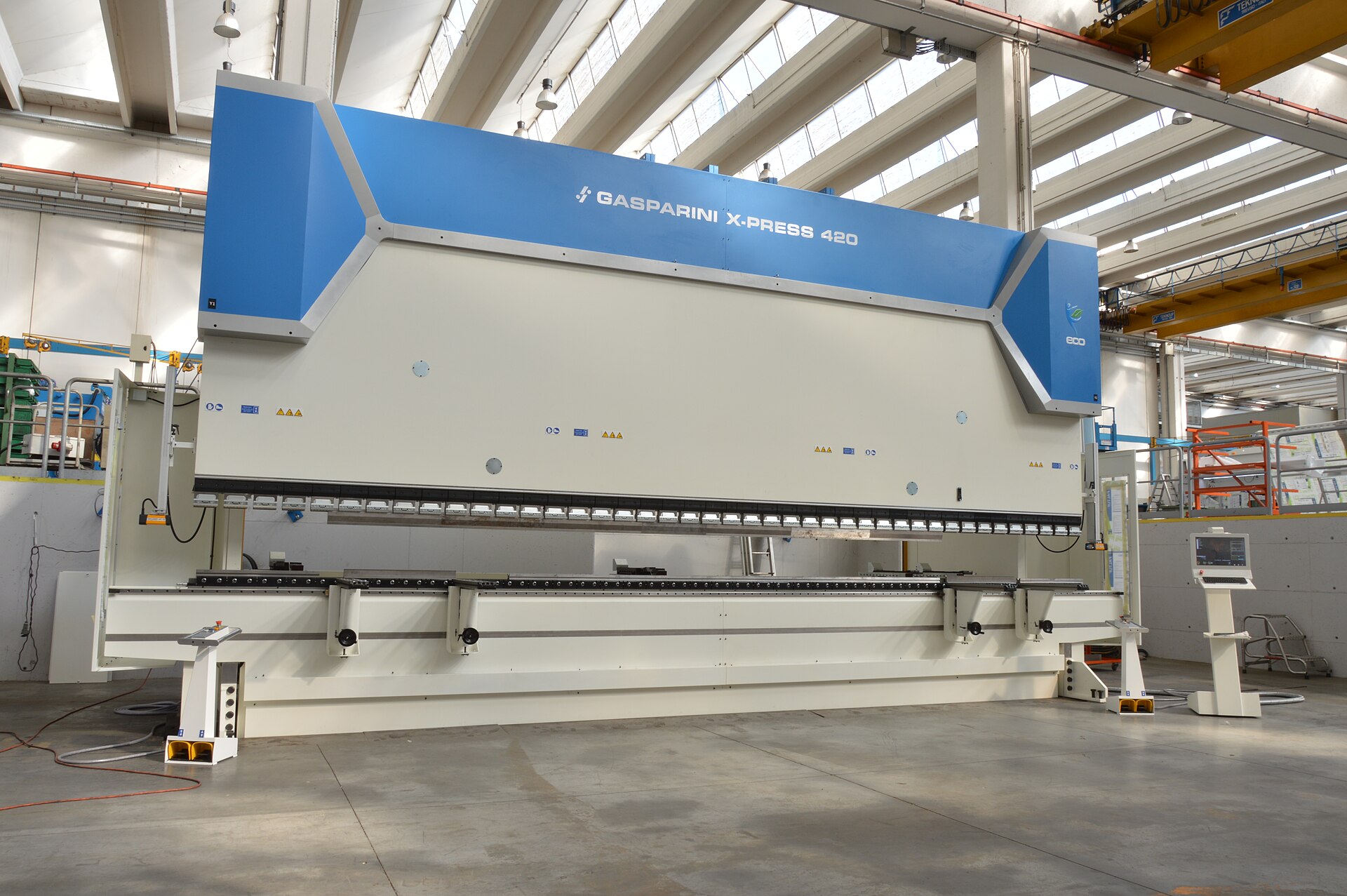
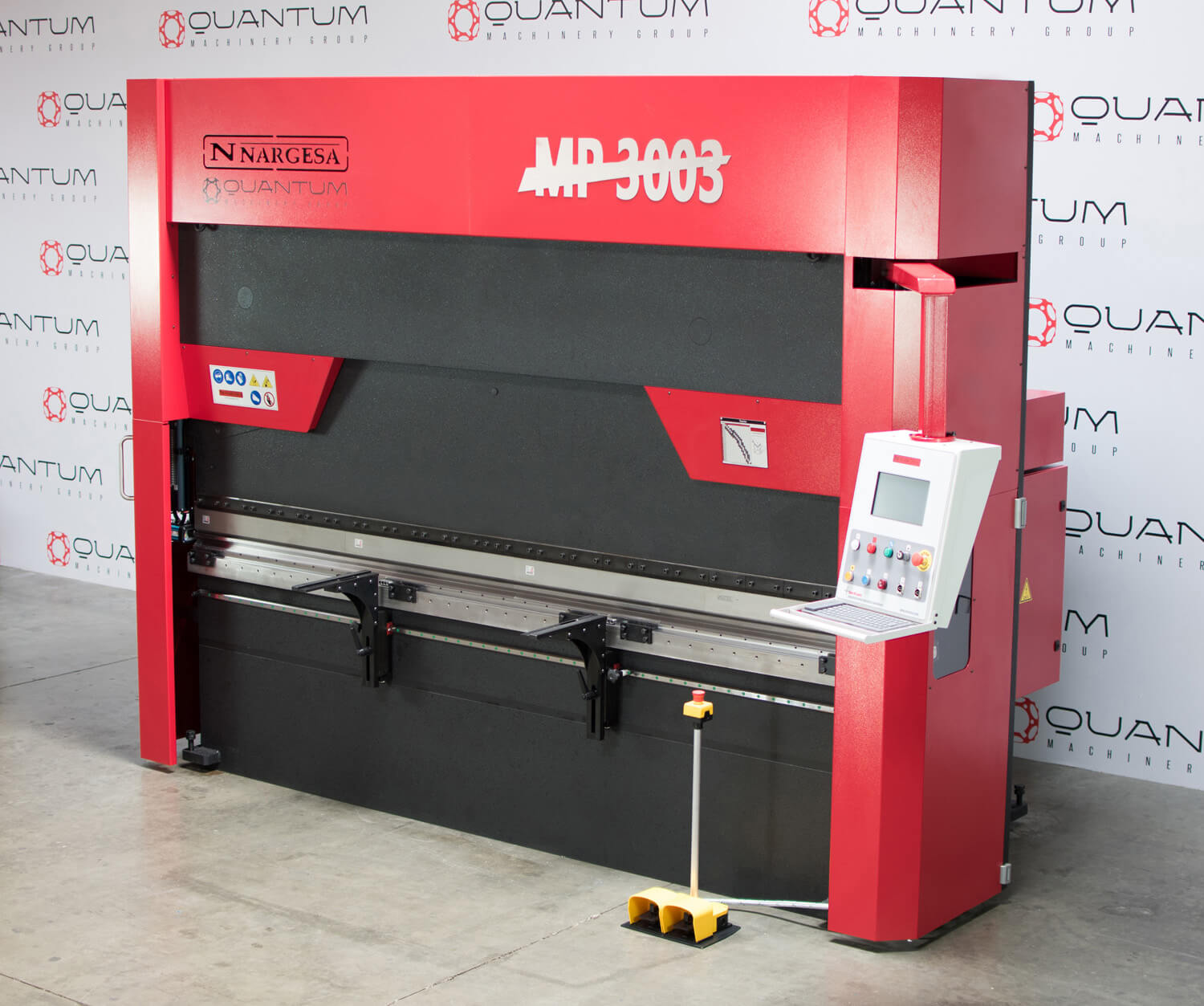
Lantek will show Lantek v46 at Fabtech 2026 in Las Vegas, October 21-23. The most useful change for the shop floor: Lantek Bend now calculates and keeps several validated bending solutions for the same part, one per press brake, and hands all of them to the MES workflow.
Each stored option carries a feasibility check plus the machine-specific tooling, setup, and process data. That lets the shop pick the final press brake close to execution, based on which machine is actually free, how loaded it is, and what tooling is already mounted, without sending the part back to programming.
v46 also widens machine connectivity into Lantek MES, Control Panel, and Lantek Analytics across more vendors, with a redesigned Control Panel for real-time machine events. More assets reporting reliable state means OEE numbers built on measured run, idle, and alarm time instead of operator estimates. The release also adds warehouse and Tekla links on the CAM side.
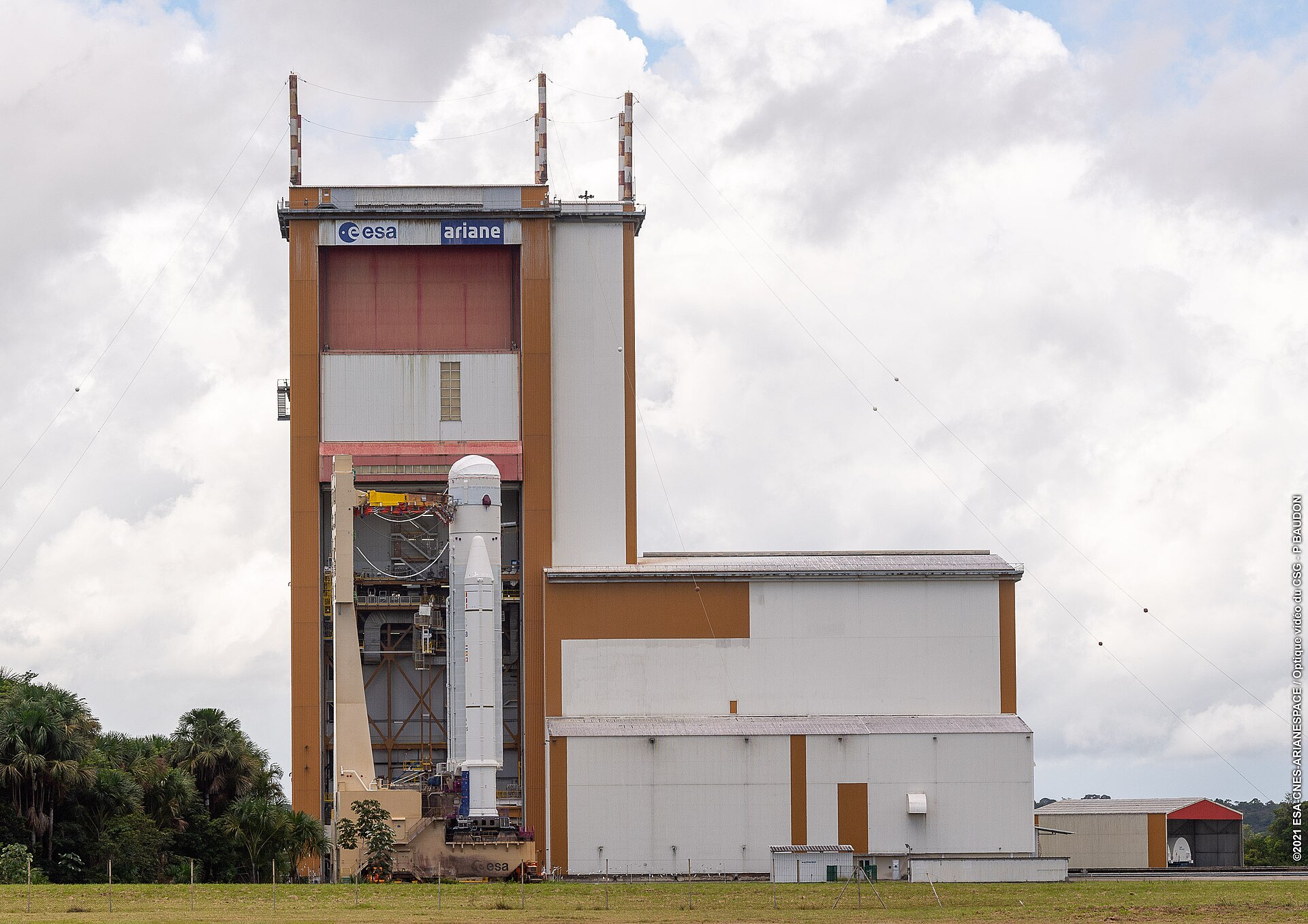
A second MES story this week shows why traceability is the payoff. Augsburg-based MT Aerospace, which builds tanks and structures for Ariane 6, moved from small batches to several thousand components a year and chose GROB’s COSERA MES even though it runs no GROB machine tools. Paper job tickets are gone; the system records which employee worked on which component and where that component was later used.
Both stories point the same way. The routing decision moves later, closer to the machine, and every decision has to be recorded against the part. That only holds together when the alternate routings, the machine state, and the genealogy record share one data model with ERP orders and QMS nonconformances.
N23D is building that model in Rust. The MES module is specified to store alternate operations per routing step with their own tooling and setup data, dispatch to whichever qualified work center is available, and write the as-built genealogy (operator, machine, lot, serial) to the same record that PLM, ERP, and QMS read, with no middleware between them.


.jpg)