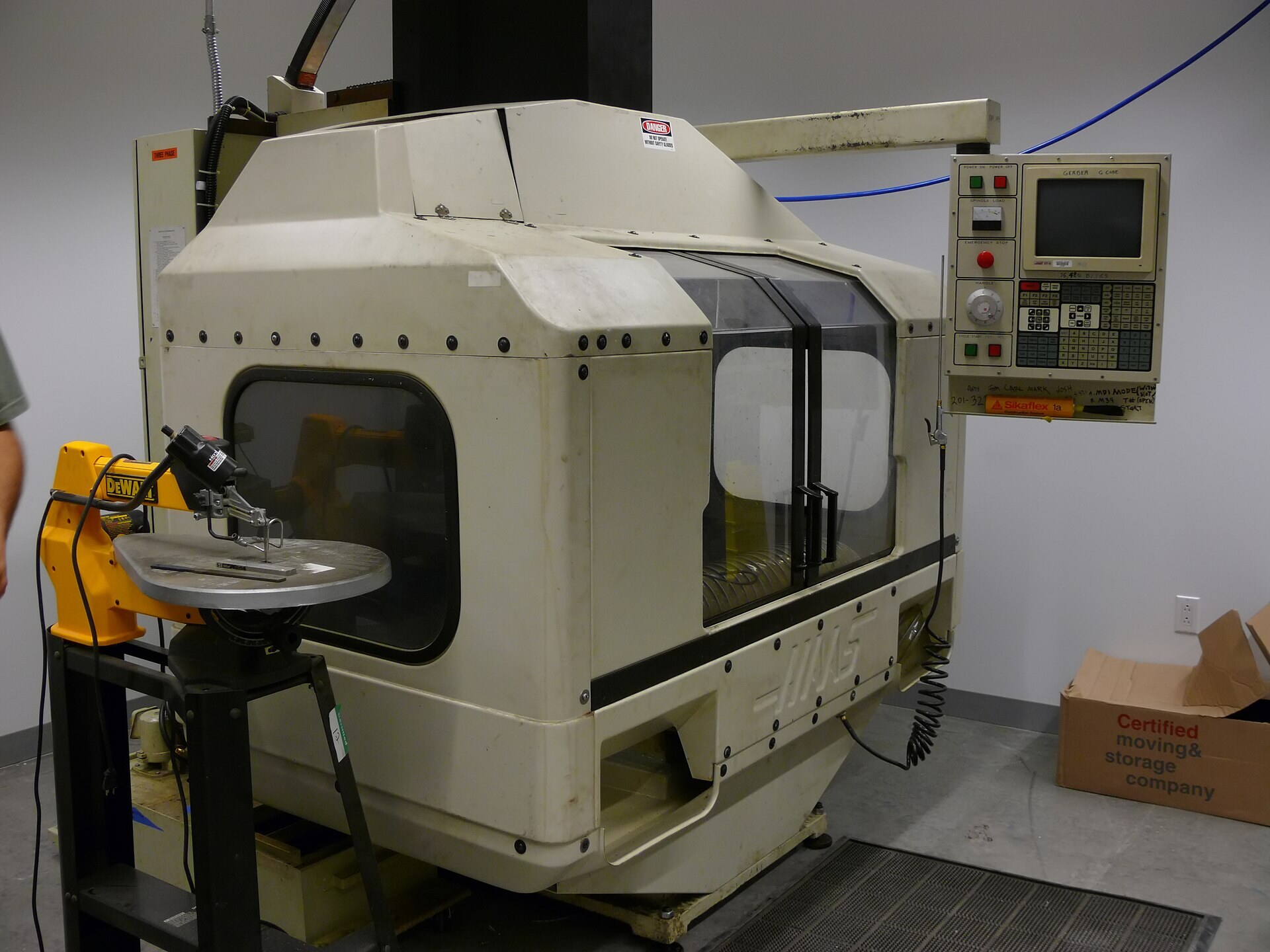
MachineMetrics launched MaximaOS at IMTS 2026 (Sept. 14)—a manufacturing operations management platform built to close the execution gap while the shift is still running. The pitch is blunt: the plan on the board stops describing the floor by mid-morning when a tool fails, material sits on the dock, or a forty-minute setup runs ninety. MaximaOS targets discrete manufacturers, with the deepest fit in automated machining.
Underneath sits Max AI, the proprietary intelligence layer that reads live machine data, ERP context, and production history in one model. Out of the box, MaximaOS ships the industry’s Core Four MES capabilities—work order management, schedule intelligence, OEE and production analytics, and downtime tracking—so plants do not have to rebuild the basics before they can act on stoppages.
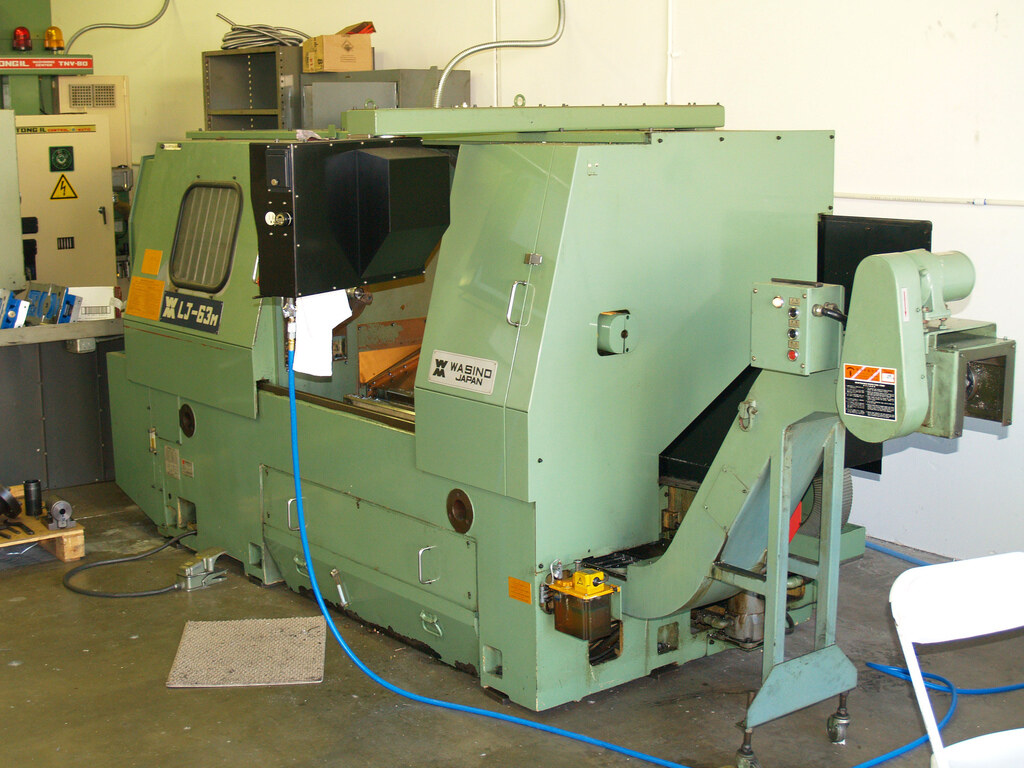
ABI Research (Sept. 16) frames the move as turning MES from a static system of record into a reactive platform—closer to catching downtime as it breaks than reading yesterday’s newspaper. Stoppages get categorized by rule as they happen; operators are asked only when rules cannot resolve them. Bidirectional ERP integration pushes completed production, labor, and job status back so the system of record stops describing a plant that does not exist.
Carbide, the MaximaOS Build layer, is in early release: an MCP server for AI agents, a manufacturing UI component library, a custom data layer, and an agent plugin (starting with Claude Code). Describe a plant-specific workflow—fixture staging, in-process inspection, shift handoff—and get a working application on the same screens operators already use, without writing code. That is the Goldilocks zone ABI notes: defaults plus custom apps without forcing every site to own a no-code API project.
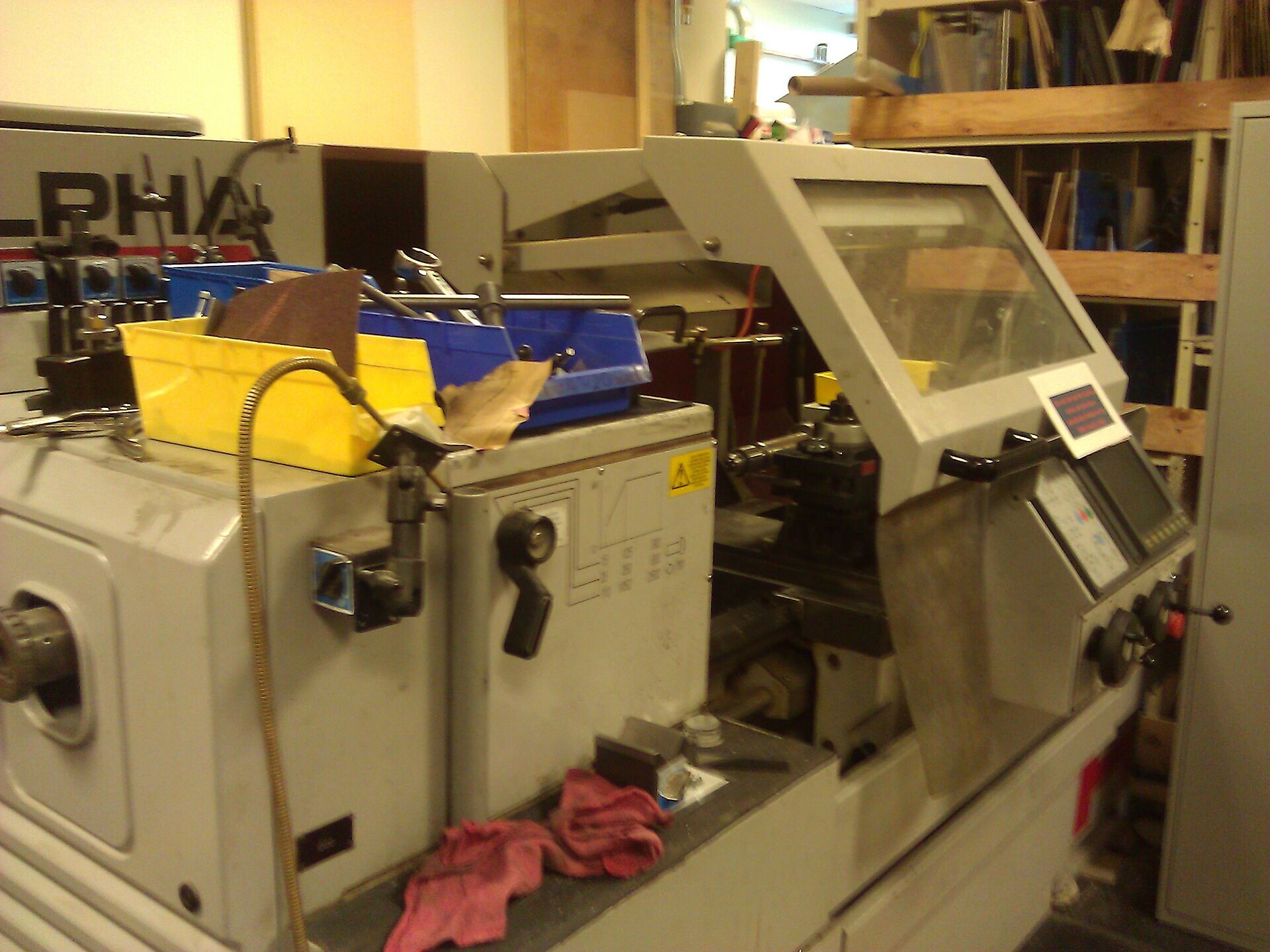
For competitors and buyers comparing MES ahead of the next connectivity refresh, the useful bar is time-to-value on the floor: connect once to machines and ERP, keep work-order and schedule context current mid-shift, and let Max AI answer production questions in plain language against your plant—not a generic model’s guess about manufacturing. Multi-site rollups and template deploys are part of the same story.
For N23D, the takeaway is one native Rust binary and local-first shop-floor truth on the digital thread: the work order MES dispatches is the same identity ERP completes and CAM already cut—not another siloed reactive dashboard that syncs quantity and genealogy at midnight.