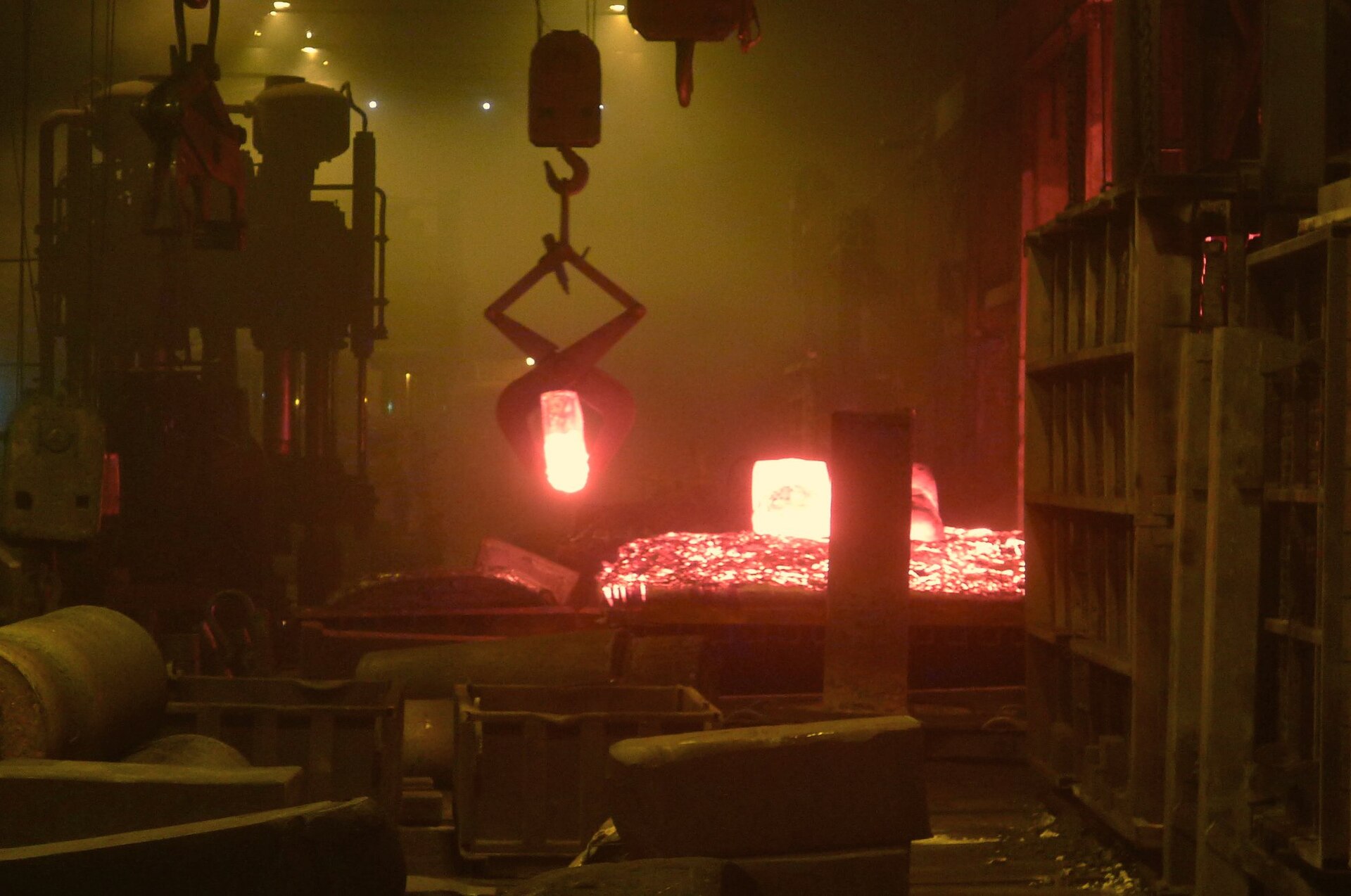
Kyoto Fusioneering and Daido Steel said on October 7, 2026 that they have started a joint program to build a commercial supply of low-activation vanadium alloy for fusion reactor blankets. The two companies have already melted and forged a cumulative 200 kg of high-purity vanadium into round bar and plate. The first finished pieces, 7.3 kg of round bar and 2.6 kg of plate, were completed in August, and about 70 kg in total will go to Kyoto Fusioneering for machining and joining.
The blanket is the part of a fusion machine that absorbs neutrons, recovers heat and breeds tritium fuel, so its structural metal has to survive heat and radiation for years. Vanadium alloy holds strength to around 700 °C, is ductile and non-ferromagnetic, and is compatible with liquid lithium, which is why private developers chasing hotter blanket designs are looking at it again. It is one of three candidate materials, next to reduced-activation ferritic-martensitic steel and SiC/SiC composite, which Kyoto Fusioneering is developing on its own in parallel.
.jpg)
The hard problem is supply, not chemistry. According to the release, vanadium heats of roughly 200 to 1,200 kg were made in the United States and Japan in the 1990s and early 2000s, almost entirely inside national programs, and commercial supply was never set up. Current roadmaps ask for 500 kg to one tonne per heat, across several heats, to show industrial qualification. Daido Steel, a Nagoya specialty steel maker founded in 1916, is meant to turn that into a repeatable production process, and Kyoto Fusioneering plans to start building a blanket mock-up in 2027.
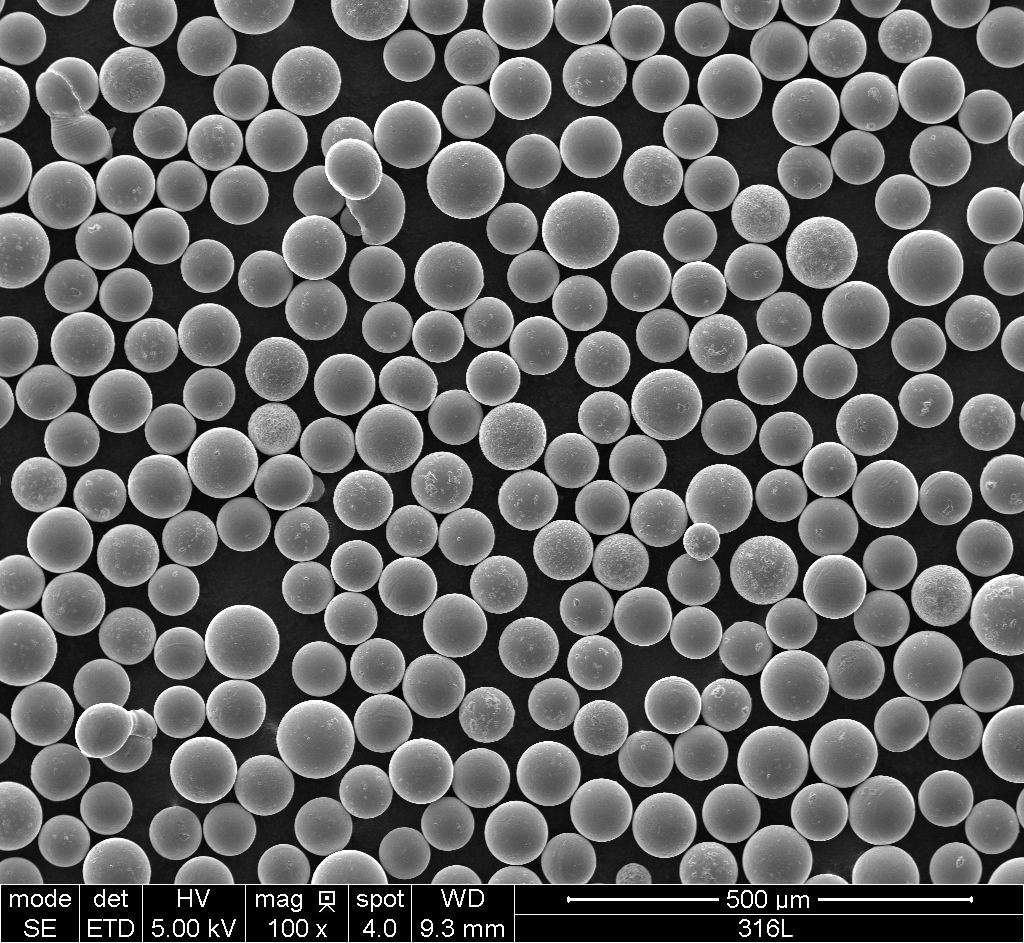
Aluminium is going through a similar step for 3D printing. Gränges Powder Metallurgy, PINT and the French institute IRT M2P are developing two aluminium-scandium alloys for laser powder bed fusion: an Al-Si-Sc grade for heat resistance and dimensional accuracy, and an Al-Mg-Sc grade for hydrogen equipment running at 100 to 250 °C, where fatigue matters most. Pilot-scale powder has been made, Al-Si-Sc testing should finish in the fourth quarter of 2026, and the first demonstrator parts are planned for 2027. The partners note that scandium use in the West has been held back by supply worries, with new Canadian sources a possible fix.

At the cheap end of the supply chain, NC State researchers used powdered eggshells to make a stronger Mg2Ca magnesium alloy by friction stir extrusion, reported October 7. Holes drilled in a magnesium block are packed with ground eggshell, and a spinning mandrel mixes it in, converts the calcium carbonate and extrudes a finished rod. The work, published in the Journal of Magnesium and Alloys, is a proof of concept, but it shows waste feedstock and a single solid-state step replacing a separate alloying process.
All three stories end with the same job: a new alloy is only useful once its heat records, powder lots and test results follow the part through design and production. That traceability is what the N23D MAT module is for, keeping material grades, qualification status and property data connected to the CAD model, the work order and the quality record instead of spread across spreadsheets.
Sources
- Business Wire via MarketMinute: Kyoto Fusioneering and Daido Steel Begin Joint Development to Establish Manufacturing Technology for Vanadium Alloy Structural Materials (October 7, 2026)
- Kyoto Fusioneering
- Daido Steel Co., Ltd.
- AlCircle: Gränges Powder Metallurgy and partners develop 2 aluminium-scandium alloys, targeting 2027 demonstrators (October 9, 2026)
- Futurity / NC State: Eggshells help make stronger, lighter metal alloys (October 7, 2026)
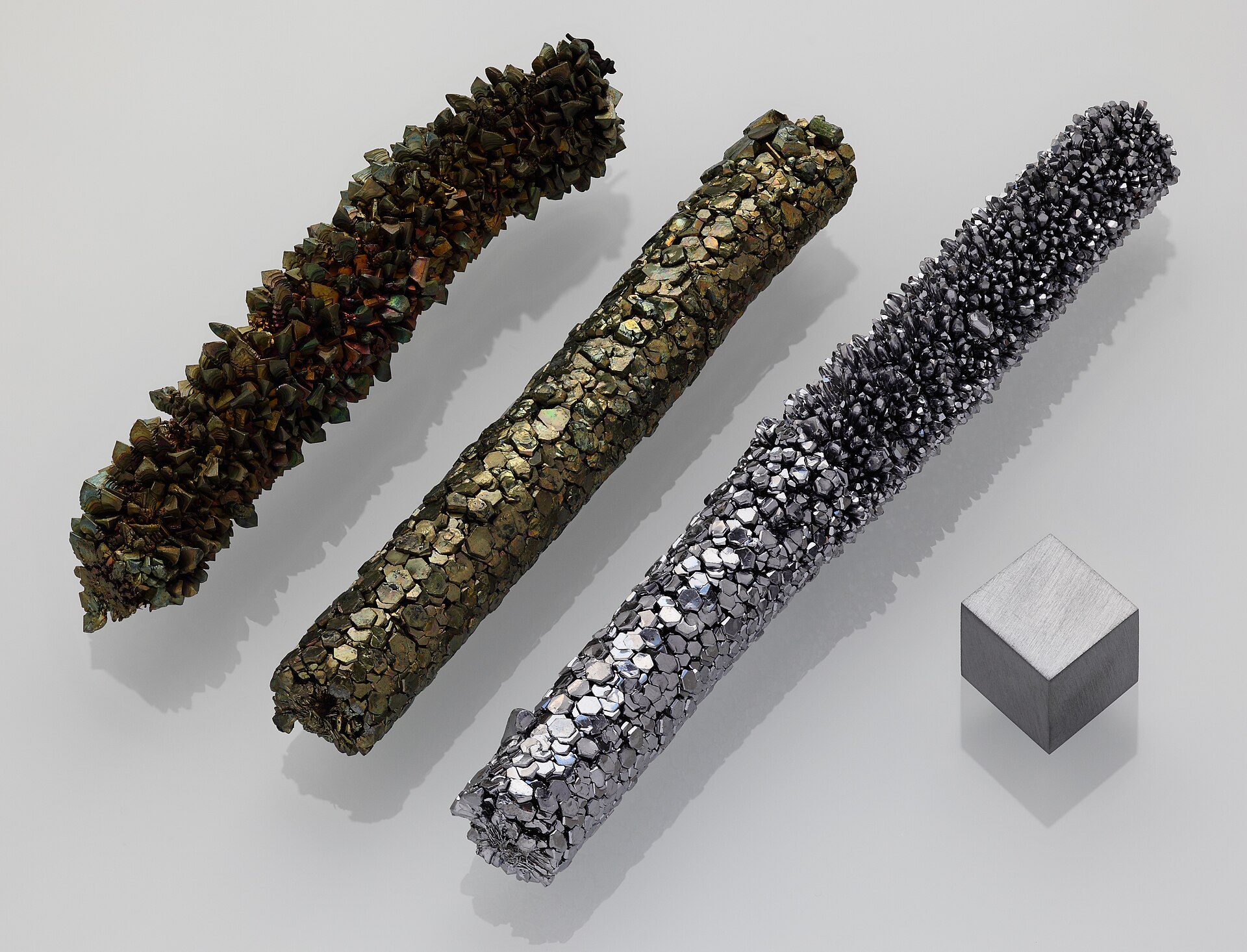
- Featured photo: vanadium crystal bar and 1 cm³ cube, by Alchemist-hp (pse-mendelejew.de), Free Art License, via Wikimedia Commons
