

Cloudflare and VoidZero announced tsrs on Oct. 20, a port of the TypeScript compiler to Rust, built with Max Schwenk of Owner.com and incubated inside the Oxc JavaScript toolchain. Early benchmarks show tsrs type-checking code up to 8 times faster than TypeScript 7.0 while using about 70% less memory, with the same number of worker threads. The team says it ran those benchmarks with the TypeScript team on identical settings. An experimental build is already on npm.
TypeScript’s own Go port already made the compiler about 10 times faster, so Cloudflare had to explain why Rust. Its answer is WebAssembly: a Go program compiled to Wasm has to carry its garbage collector along, while Rust’s ownership model needs none, so the same compiler can run lean inside a browser, a server sandbox or an embedded device. Cloudflare also says frontier AI models can now do large ports “almost independently in a matter of days,” and that agents will keep tsrs in step with upstream TypeScript by running its test suite every night. The project is not a fork; the TypeScript team keeps control of the language.
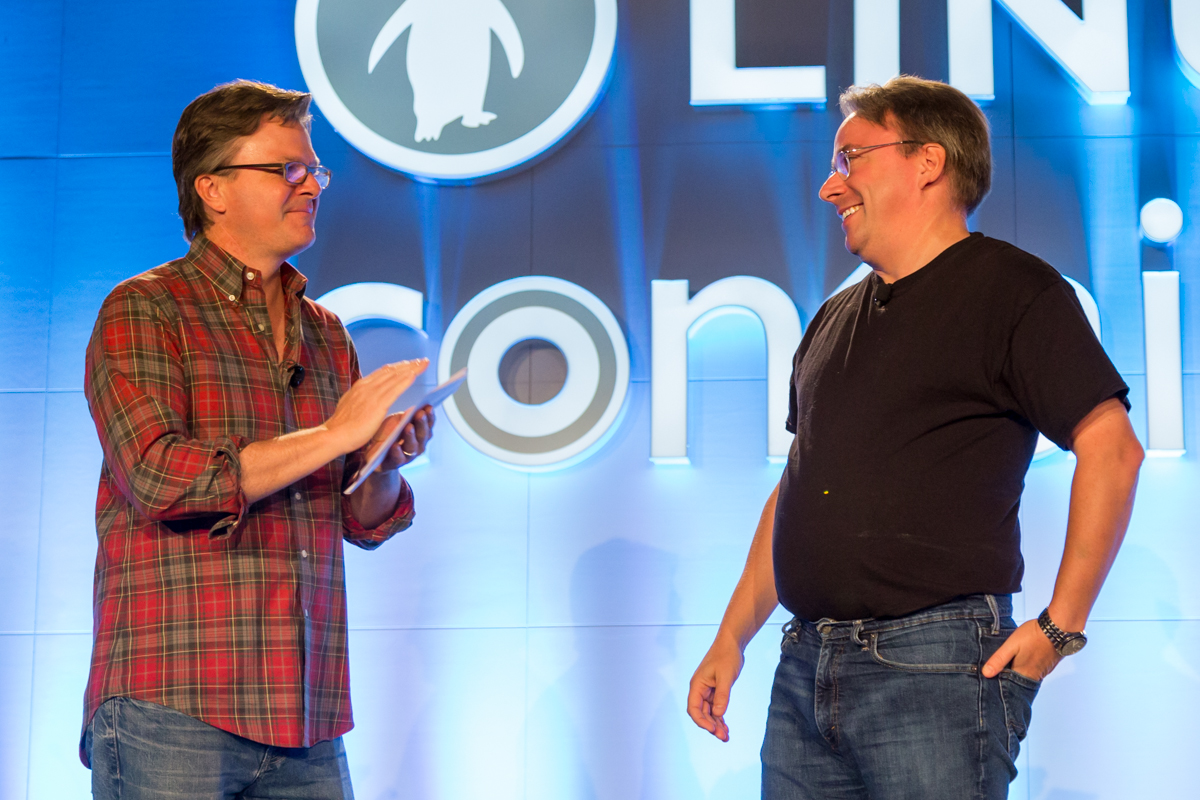

The Linux kernel kept moving the same week. Miguel Ojeda’s Rust pull request for Linux 7.4, sent Oct. 18, was merged by Linus Torvalds on Oct. 21. Phoronix counted about 17,000 new lines, mostly from moving the kernel’s vendored copy of the zerocopy crate, which safely converts raw bytes into typed structures, eight releases forward in one mostly mechanical commit. The release also adds new mem and ratelimit modules, lets Rust doctests run as ordinary KUnit tests without generated C glue, and adds tuple-struct and safe self-reference support to the pin-init crate.
Rust is also reaching the hospital floor. On Oct. 15, Stuttgart-based Vector unveiled what it calls the first Rust-based IEEE 11073 SDC stack, the standard that lets medical devices from different makers find each other on a network and share measurements, states and alarms in the operating room and ICU. Vector rewrote the stack in Rust for memory and type safety, and says faster XML parsing and leaner handling of the device data model make it quicker than before. Device makers can call it from existing C and C++ code through a foreign function interface, so they don’t have to rewrite their applications. It is due in the first quarter of 2027.


For engineering teams, the three stories share a pattern. Rust is going in where speed, memory and safety evidence all matter at once, and it is going in alongside existing code rather than replacing it overnight: a port that tracks its upstream test suite, a kernel that pins and vendors its outside crates, and a medical stack that plugs into C and C++ through a defined interface. Before a Rust rewrite, ask how its tests will be kept in step with the original, who owns each vendored dependency, and where the boundary to the old code sits.
N23D is being built as one Rust codebase covering CAD, PLM, QMS and the rest of the engineering and business stack. Like the kernel, it keeps its few outside libraries vendored and pinned inside the repository, and every module is checked by its own test suite on each commit. The goal is one fast, memory-safe program from first sketch to invoice, sold as a permanent license.
Sources
- Introducing tsrs: A port of TypeScript to Rust, Cloudflare Blog (Oct. 20, 2026)
- [GIT PULL] Rust for v7.4, Miguel Ojeda, Linux kernel mailing list (Oct. 18, 2026)
- Merge notice for Rust for v7.4, pr-tracker-bot, Linux kernel mailing list (Oct. 21, 2026)
- 17k Lines Of New Rust Kernel Code Heading Into Linux 7.4, Phoronix (Oct. 20, 2026)
- Vector Announces New Rust-Based IEEE 11073 SDC Stack for the Medical Device Industry, Vector (Oct. 14, 2026)
Featured photo: server racks in a data center aisle in Amravati, India, by PiDatacenters, CC BY-SA 4.0, via Wikimedia Commons.
