
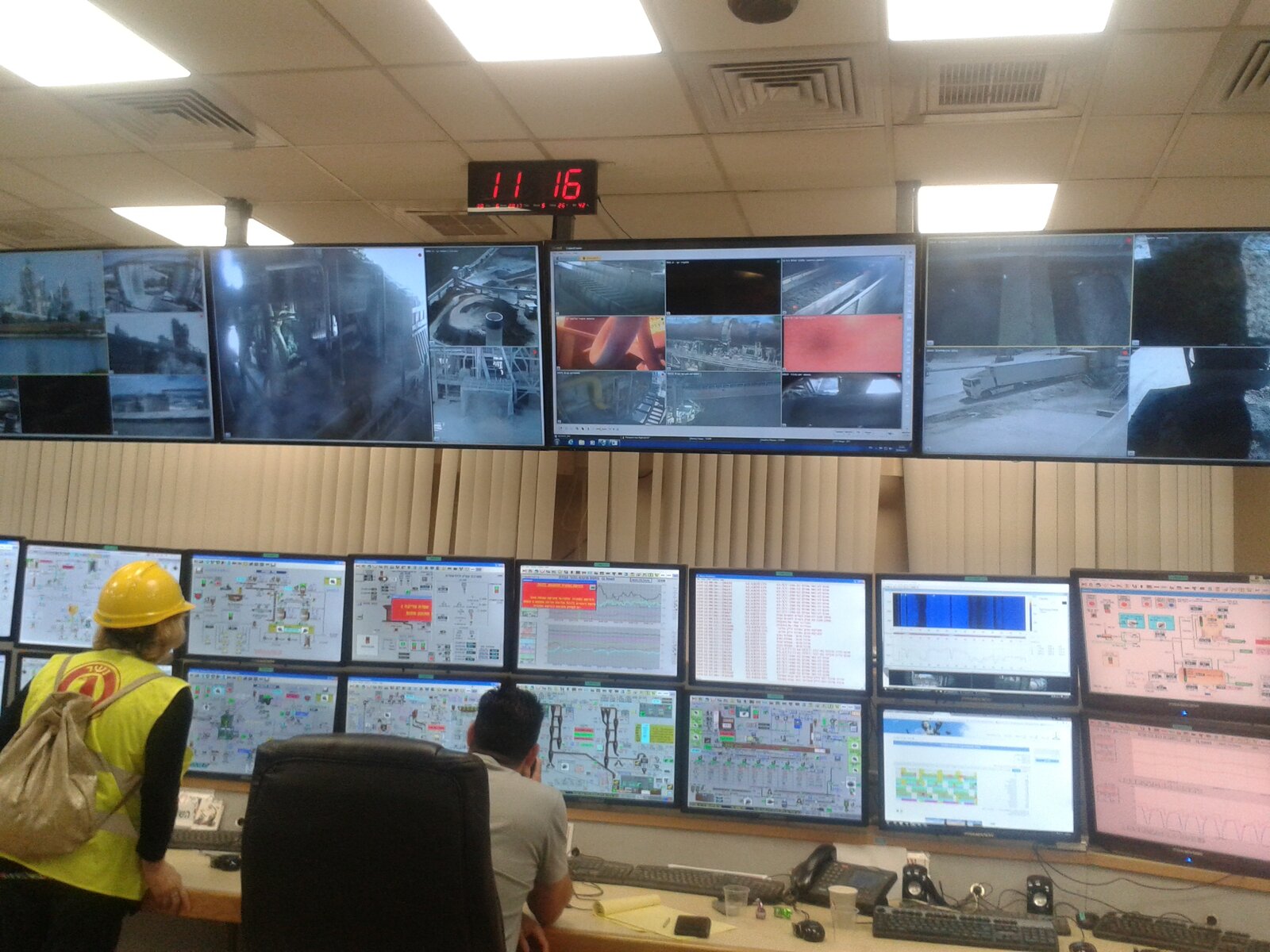
Senke (Shanghai) launched an Andon-enabled industrial tablet series on August 21, 2026—built for smart manufacturing floors that still lose minutes between a line stop and a real ticket. The devices pair a high-brightness multi-touch display with a built-in multi-color status light bar (green normal, yellow attention, red stop/critical, blue material/assist), so production status is visible across the aisle before anyone reaches the terminal. Screen sizes run from 7 inches to 21.5 inches, with MES and Andon software integration called out as a first-class option.
The hardware is factory-floor honest: IP65-rated front panel, fanless thermal design, −10°C to 60°C operation, vibration/shock resistance, up to 500-nit readability, 10-point PCAP touch (including gloves), and RS232/RS485 serial links straight to PLCs, sensors, and scanners—plus Wi-Fi, Bluetooth, Gigabit Ethernet, and optional 4G LTE. A companion YPC-AD 21.5″ Andon buzzer panel PC (August 11, 2026) extends the same visual-escalation idea to larger wall/panel mounts. Hardware alone does not close the loop; the ticket has to fire when the light turns red.
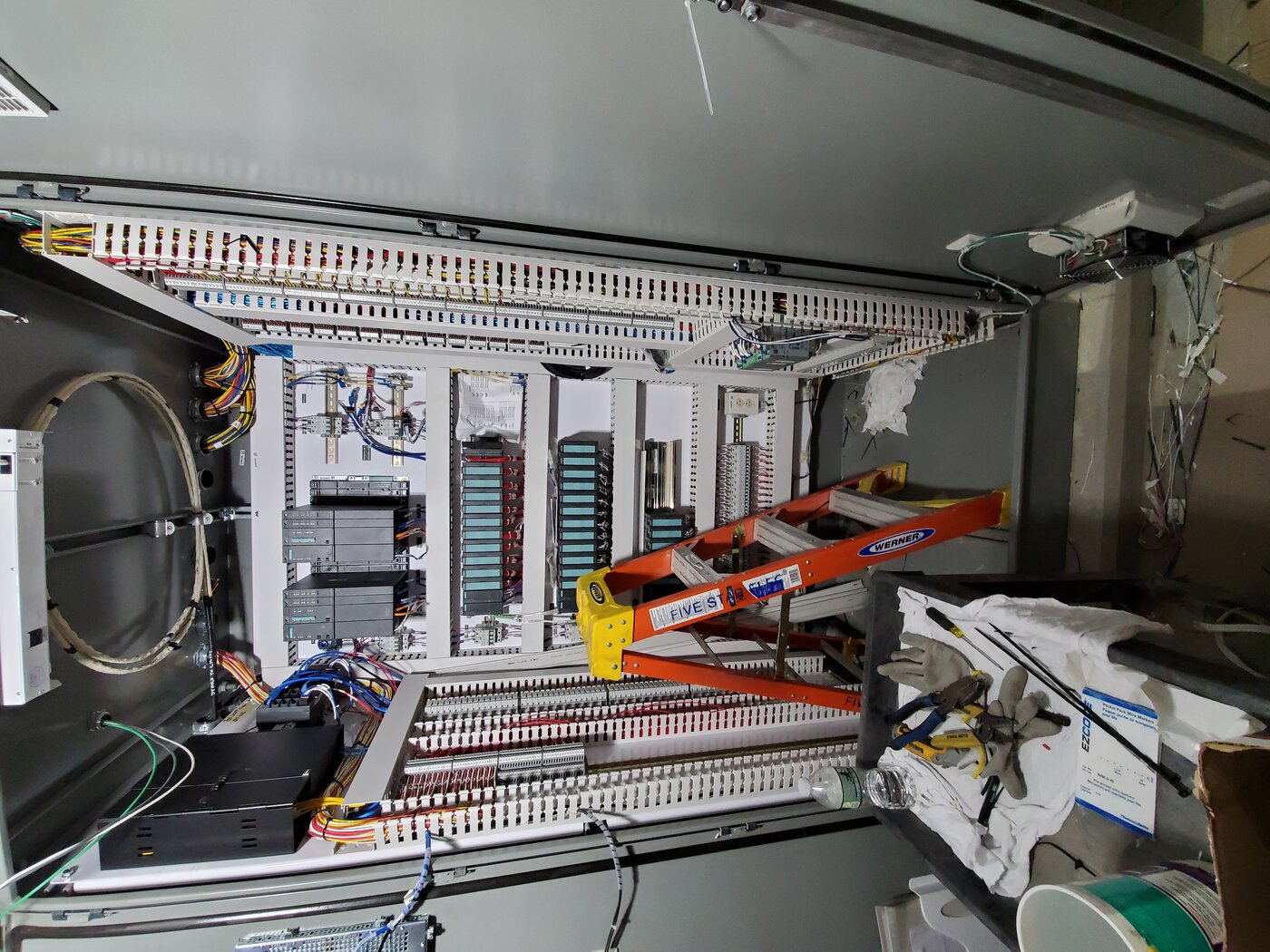
That is the MES↔CMMS handshake plants keep under-building. Per iFactory’s June 15, 2026 integration guide, when MES records an unplanned equipment stoppage above threshold, CMMS can auto-create a breakdown work order—pre-populated with asset, time, and MES downtime code—and push a mobile alert to the technician in under five seconds. Plants that close the loop cut unplanned downtime 30–50%, lift OEE by 10–15 points, and typically see 7–12 month ROI on the integration—versus the 15–30 minutes lost in radio-to-supervisor-to-manual-WO handoffs.
Digital Andon is the same loop with a faster first hop. On the iFactory digital Andon stack (May 23, 2026), manufacturers report average response-to-resolution time down 58% and unplanned downtime down 34% in the first operating quarter, with an under-90-second Red acknowledge target. Stack lights still matter, but the value is routing: mobile push, Andon board, MES event log, and escalation when nobody acknowledges—so IT, OT, and maintenance stop arguing whose spreadsheet owns the stop.
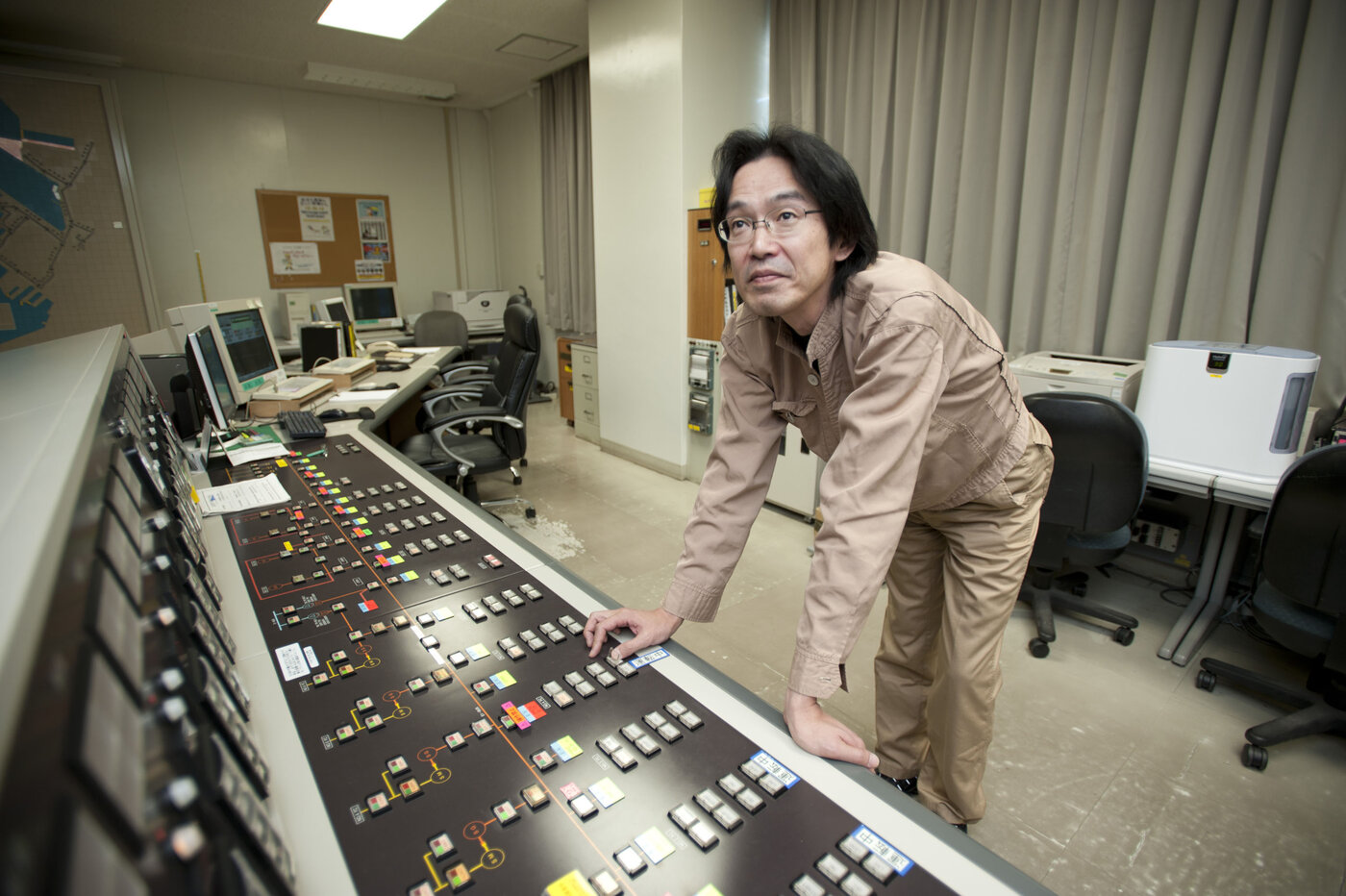
On the N23D TIX page, that handshake is the product shape: tickets, work orders, and SCADA alarms on one record keyed by AssetId—IT, OT, and maintenance reading the same stop. Wire the Andon tablet (or buzzer panel) into MES downtime codes, let the ticket open in under five seconds, and keep quality holds and escalation history where QMS and PMO can still audit them. Status LEDs without a shared AssetId are just pretty lights.
For N23D, the contract stays one native Rust binary: ticket, work order, and SCADA tag must agree on AssetId—no rented Andon cloud that drifts from the machine you own, no parallel downtime numbers that never reconcile. Product name is N23D in caps—never a year-suffixed binary label.
Sources/References
- Senke — Introduces Andon-Enabled Industrial Tablet (August 21, 2026)
- Senke / TouchSH — YPC-AD 21.5″ Andon Buzzer Panel PC (August 11, 2026)
- iFactory — MES and CMMS Integration for Downtime Reduction and OEE Improvement (June 15, 2026)
- iFactory — Andon Systems in 2026: Digital Stack Lights & Mobile Alerts (May 23, 2026)
- N23D — TIX stack page
- N23D — MES stack page
- N23D — QMS stack page
- N23D — PMO stack page