PTC says one recent AI-assisted systems engineering job cut early requirements and architecture analysis effort by 60–80%, turning weeks of document review into a draft engineers could check in days. That figure is the headline claim behind ProductAscentAI, a program PTC launched on Nov. 2 with integrator Transition Technologies PSC. The pitch is blunt: AI pilots stall because product data is scattered across decades-old, heavily customized PLM systems, and the fix is to move that data into one governed Windchill environment first.
The offer names its main target. PTC and TT PSC say they will consolidate “fragmented or end-of-life PLM environments, including Oracle Agile PLM,” into Windchill, starting with an AI and data readiness assessment. In their workflow, AI agents read existing requirements and specifications and propose a functional breakdown, system blocks and interfaces. Engineers then confirm scope, assign owners and approve a baseline before anything flows to CAD, ERP, test or service systems. The 60–80% number comes from PTC’s own case description, not an independent study.
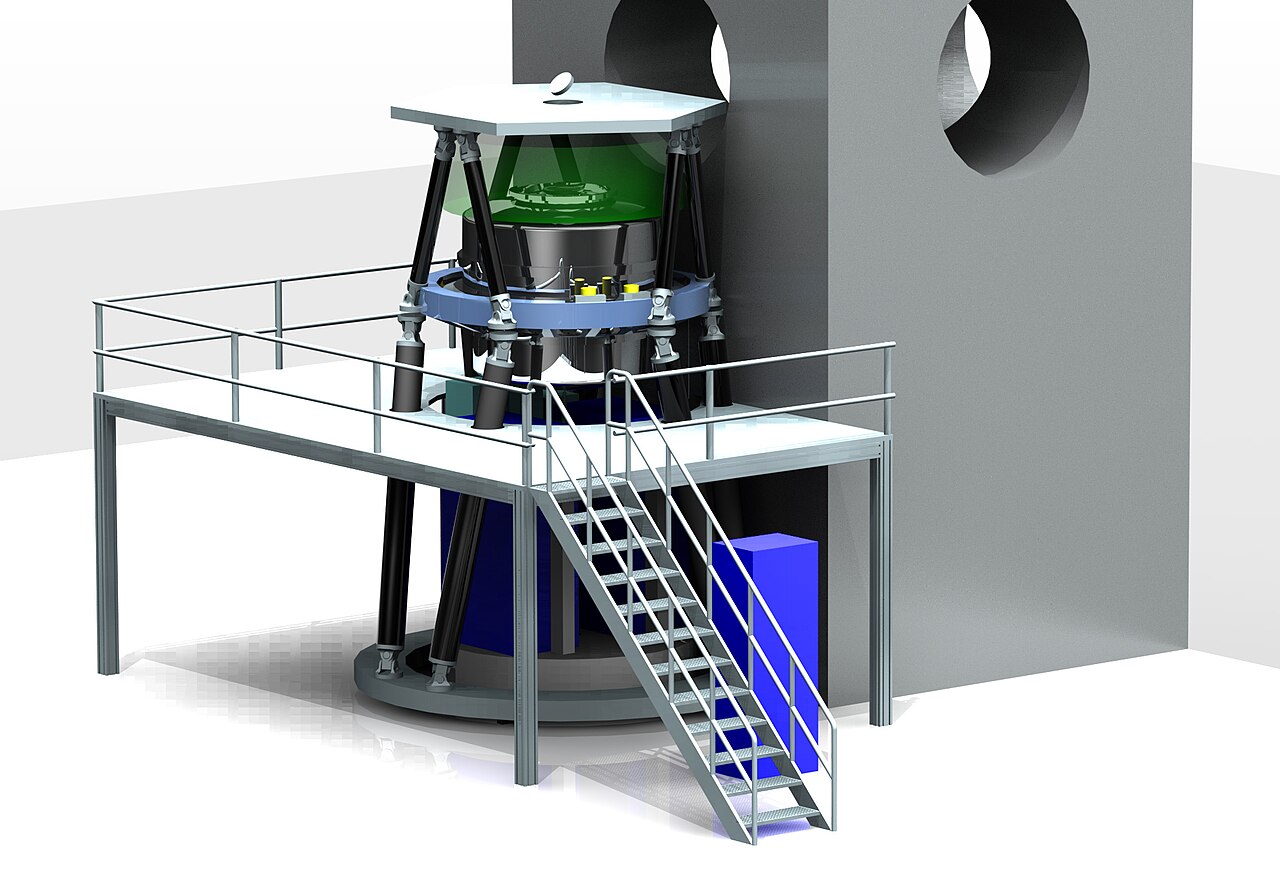
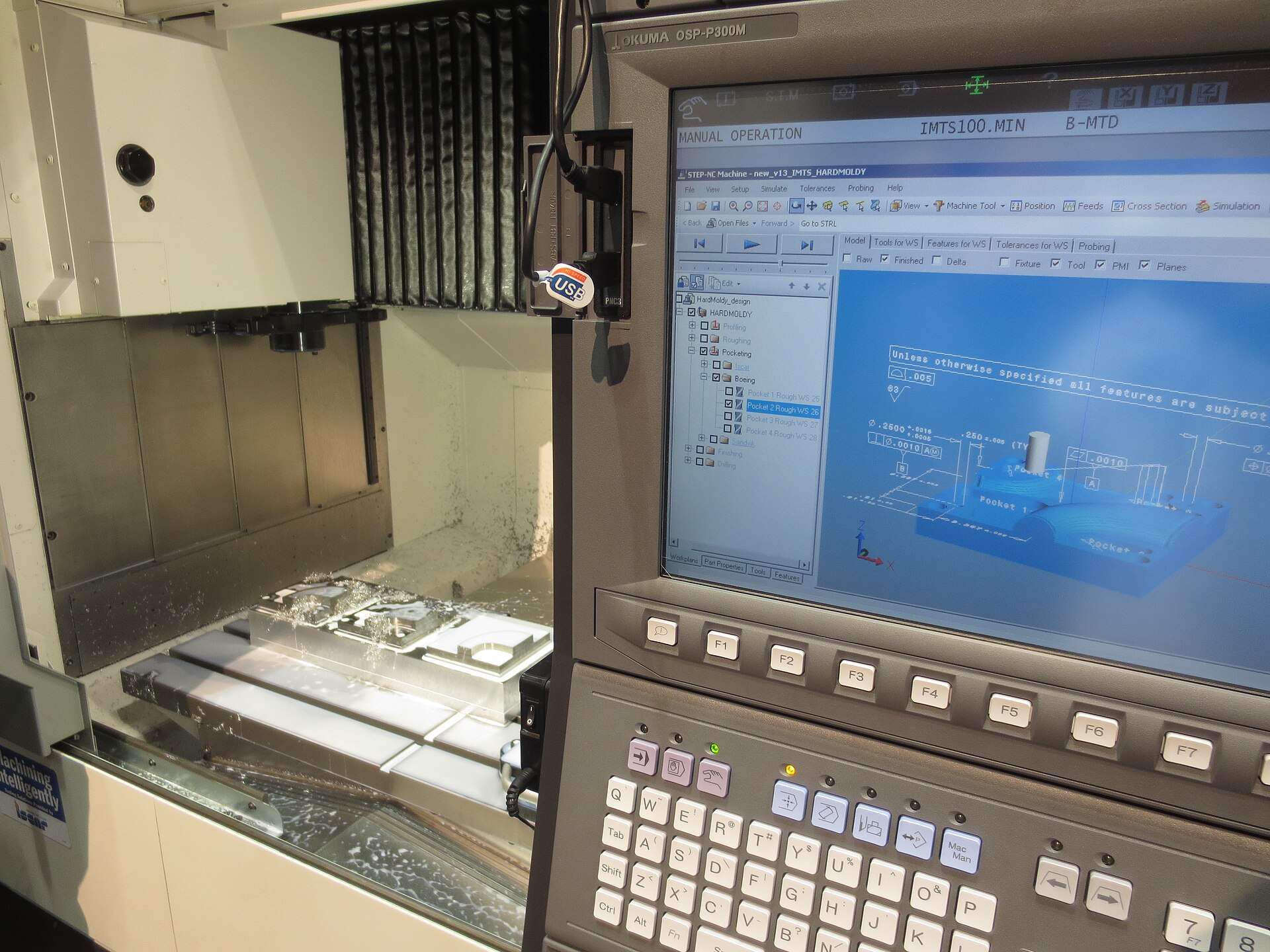
Engineering model of the MICADO camera for ESO’s Extremely Large Telescope. Image: ESO/MICADO consortium, CC BY 4.0, via Wikimedia Commons.
The same day, PTC introduced PTC Ignition, a web-based systems engineering app built on Windchill technology. Instead of asking every engineer to learn a formal modeling language, it uses ideas engineers already know: what the product must do, which component does each job, and the interfaces between mechanical, electrical and software parts. Because it sits on Windchill, architecture data gets the same lifecycles, baselines, design reviews and change management as parts and drawings, and that control can extend to suppliers.
Siemens made a similar point with a customer. India’s JSW Greentech picked Teamcenter and Mendix to build a digital thread for commercial electric vehicles, announced Nov. 3. Teamcenter will hold BOMs, product structures, requirements, program planning and change across mechanical and electrical teams, with a link to the company’s ERP so engineering and business data stay in sync. A Mendix low-code portal extends those processes to suppliers.
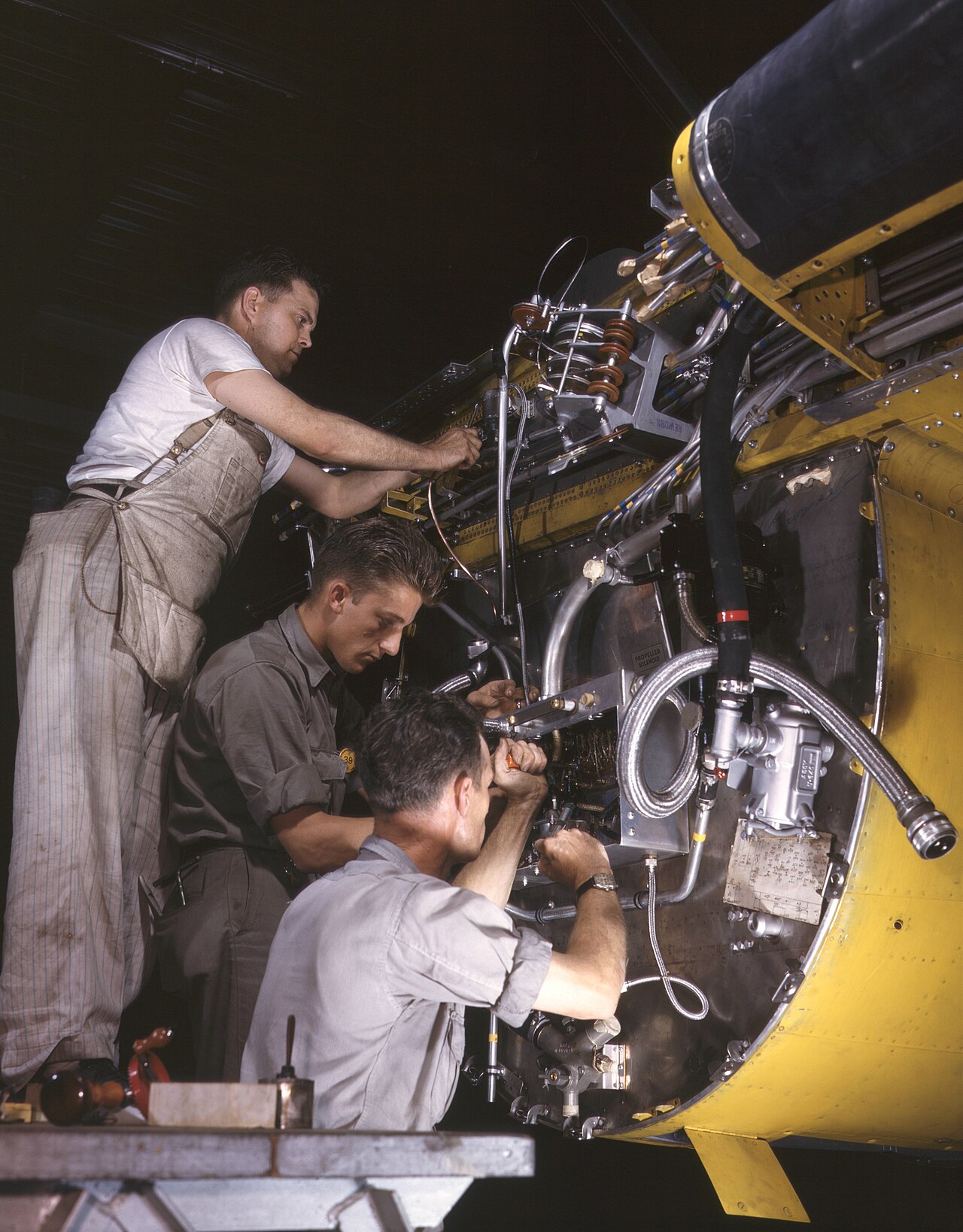
Wiring assemblies at a junction box on a B-25 bomber fire wall, North American Aviation, Inglewood, Calif. Photo: Alfred T. Palmer, public domain, via Wikimedia Commons.
PLM selection news this week reached well beyond engineering-heavy manufacturing. The Magnum Ice Cream Company, which operates in more than 80 countries and owns Magnum, Ben & Jerry’s, Cornetto, Wall’s and Talenti, chose Centric PLM to bring R&D, packaging, quality and regulatory work onto one platform. In China, mining and construction tire maker Techking selected SIPM/PLM for R&D management in a process-industry setting. Across all four stories, buyers want one trusted product record before they add automation on top of it.
That is the problem N23D PLM is built around. Requirements, architecture, CAD geometry, BOMs and change history live in one data model from the start, so there is no legacy vault to migrate before an agent can read it. Every change, whether a person or an agent proposed it, goes through the same approval with its reason recorded. The open question for buyers is whether they should pay for a migration project to make old data ready for AI, or adopt a system where the data was never split up to begin with.
Sources
- Stop Piloting AI. Start Scaling It: Introducing ProductAscentAI, PTC (Nov. 2, 2026)
- Introducing PTC Ignition: Accessible Product Architecture, PTC (Nov. 2, 2026)
- JSW Greentech scales commercial EV development with Siemens Xcelerator, Siemens (Nov. 3, 2026)
- Centric Software Selected to Work with The Magnum Ice Cream Company, Centric Software (Nov. 3, 2026)
- Techking Selects SIPM Software as Its PLM Supplier, SIPM Software (Nov. 4, 2026)
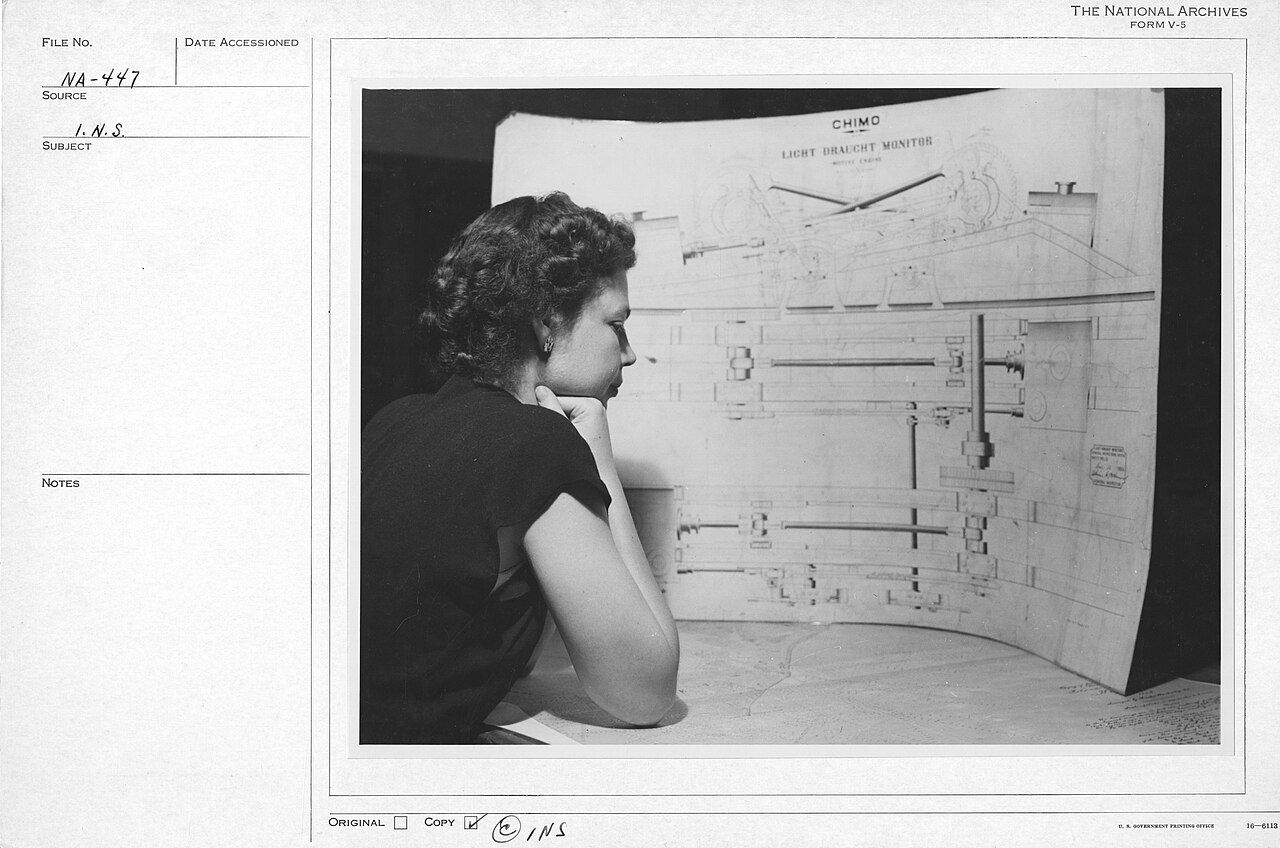
Featured photo: Frances Benedict viewing an engineering drawing of the Civil War monitor Chimo. National Archives, public domain, via Wikimedia Commons.