A survey Smartsheet commissioned of 300 U.S. VP and C-suite leaders found that only 4% said the original strategic intent is fully recognizable by the time work is assigned. Executives also estimated that 35% of decisions on major initiatives rest on out-of-date information, and that 48% of those initiatives run over timeline. On Nov. 5, Smartsheet called the gap “execution drift” and positioned itself as an Execution Hub: systems of record stay put, while cross-team work, ownership and audit trails land in one place the PMO can steer.
The release package is built for that job. Portfolio Summary rolls status, budget and risk into a live view. An AI dashboard builder turns a one-line request into a steering-committee dashboard. Smart Assist with portfolio context answers what needs attention across every project, proposes fixes and asks before it acts. Scheduled AI tasks can run recurring PMO chores on a clock, and Advanced Portfolios keeps every live project tied to a template so a published change cascades across the portfolio. For teams that want a ready-made foundation, Agentic PMO is a managed Projects & Portfolios solution Smartsheet says can go live in four weeks, with agents that flag data-quality issues and “watermelon” projects that look green on the report and at risk underneath.
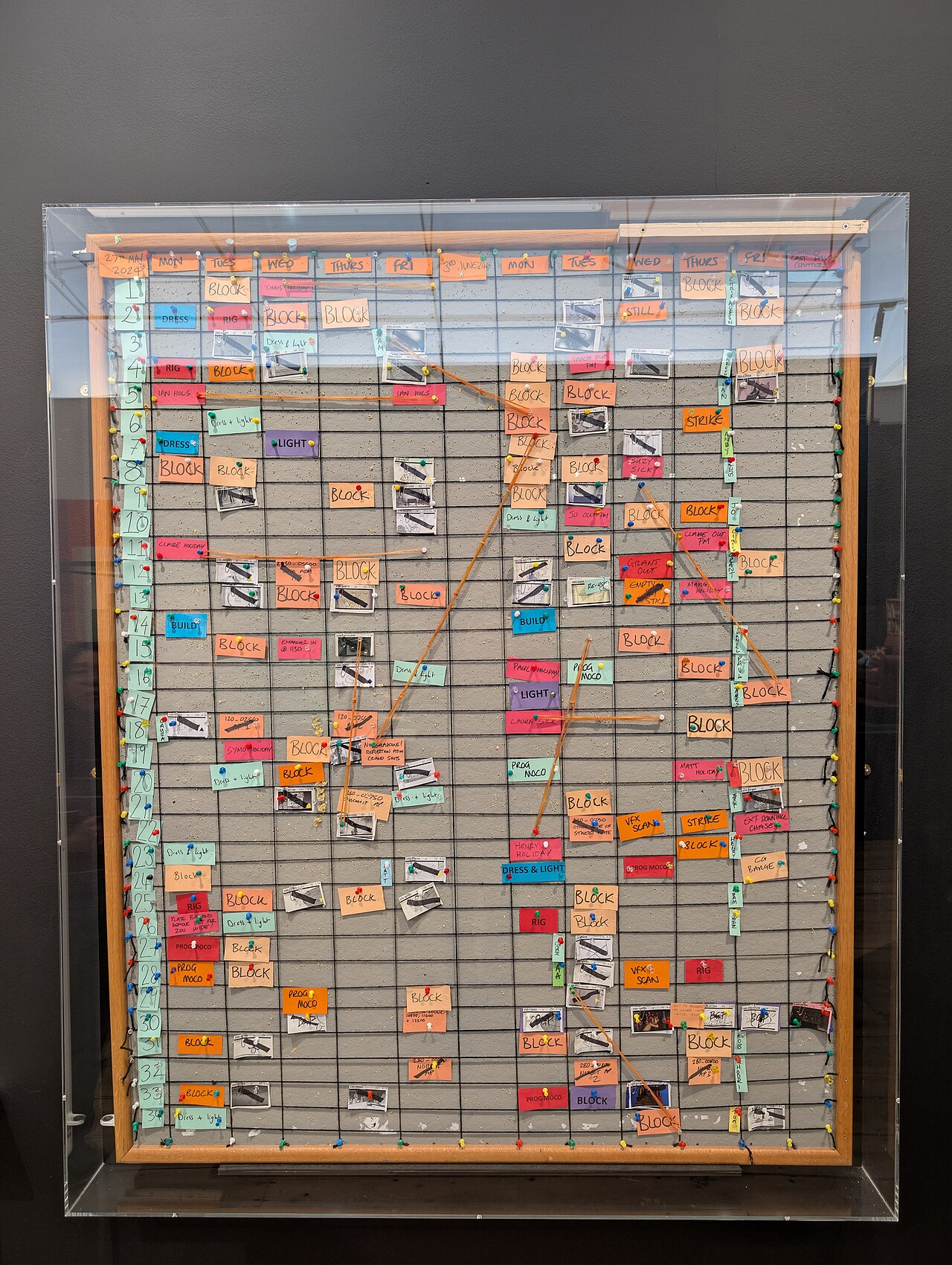
Manufacturers feel the same drift when the plan and the actuals live in different rooms. On Nov. 6, OPAIRS described a special-machinery builder with about €100 million in revenue whose Project Execution Plan lived in Excel while status sat in SAP S/4HANA, PLM, Microsoft Teams and department lists. With bills of materials of more than 40,000 parts across nine levels, OPAIRS put plan against actuals on an on-premise data lake, surfaced the critical path and let its OPAIRview agent write a management report with recommendations. Measured on ERP hours booked to the project, the company reported up to 10% fewer project hours and up to 15% less search and reporting time — without forcing planners off Excel or purchasing off SAP.
The same week, Munich-based cplace framed a related bet it calls Frontier PPM. On Nov. 5 it said AI can now generate enterprise applications in hours, so the scarce resource is governance: permissions, audit trails and IT control. Its cplace AI Builder turns requirements docs, Excel files or an existing cplace solution into data models, workflows and dashboards, cutting solution-development effort by about 40% in customer analyses. At cplace Day 2026 on Oct. 29, a team built a scenario-planning app in seven hours after attendees voted on what to build that morning. Across Smartsheet, OPAIRS and cplace, the pitch is the same: stop spending the week assembling the picture, and put a live portfolio or critical path in front of the people who can move it.
There is still a seam. Smartsheet says systems of record stay where they are. OPAIRS reads SAP, PLM and Teams into a lake beside them. cplace builds PPM apps where project data already lives. An agent that summarizes schedule, budget and risk can still miss whether the drawing behind a task was released, whether the purchase order landed, or whether the work order on the floor matches the revision the schedule assumes. A confident status report written from incomplete sources is just a faster version of the same stale deck.
N23D puts PMO inside the same Rust application that holds the product record. The in-app Gantt carries dates, dependencies and percent complete, and each task points at the work it represents: the released revision in PLM, the approved change, the purchase order in ERP, the work order on the floor in MES. When a drawing is released or a part is received, the task moves because the record changed, not because someone updated a spreadsheet before the steering meeting. The portfolio view and the product data are the same system, so there is nothing to stitch together the night before.
Sources
- What’s New in Smartsheet for PMOs, Smartsheet (Nov. 5, 2026)
- From Excel Plan to Critical Path: How a Special Machinery Builder Manages Its Projects On-Premise, OPAIRS (Nov. 6, 2026)
- Frontier PPM: AI Builder with built-in governance, cplace (Nov. 5, 2026)
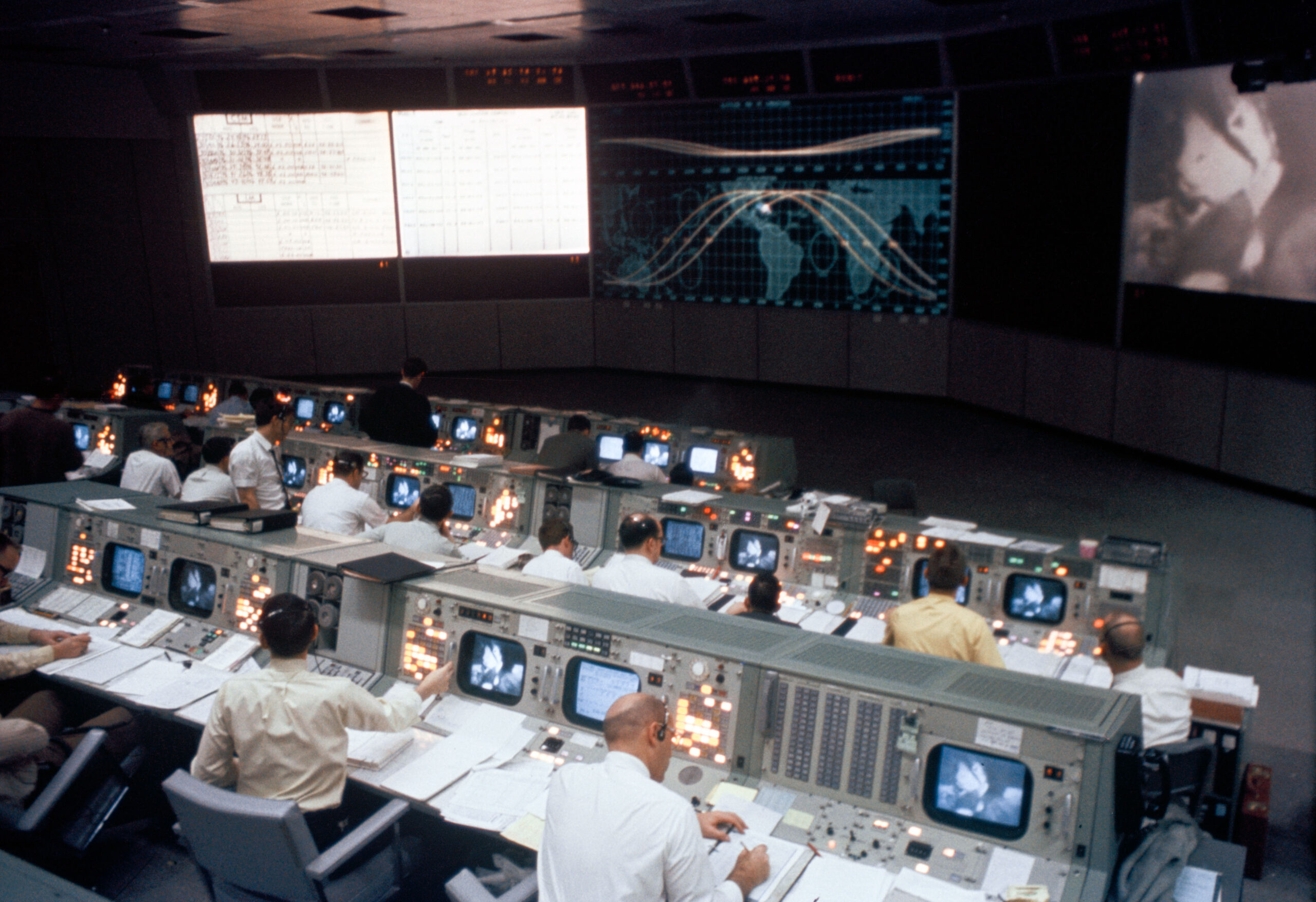
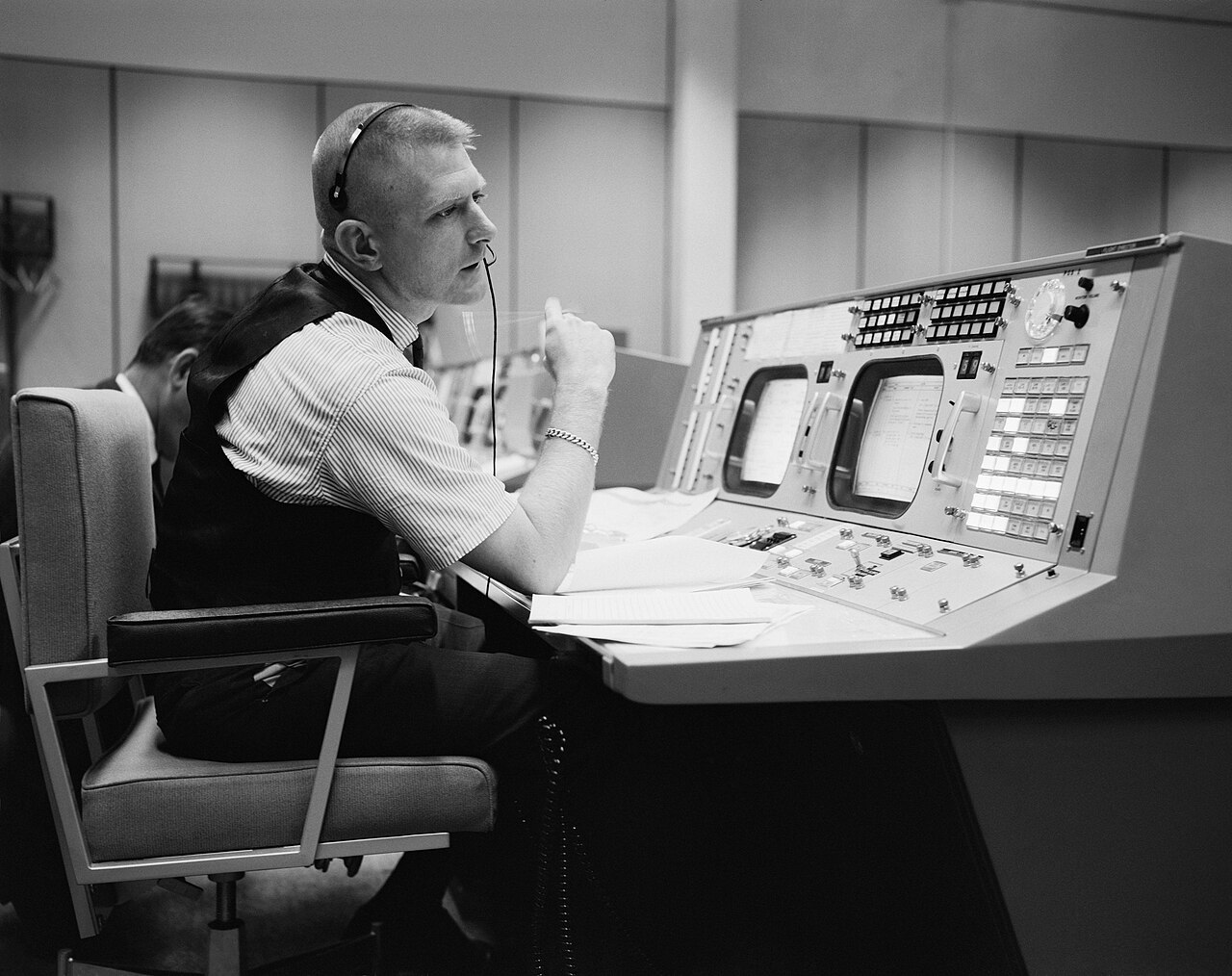
Featured photo: Mission Operations Control Room during Apollo 9. NASA photo, public domain, via Wikimedia Commons (source).