Dassault Systèmes, the French company behind CATIA, SOLIDWORKS and the ENOVIA PLM applications, reported third-quarter results on Oct. 28. Total revenue rose 5% in constant currency to €1.55 billion, but revenue from its 3DEXPERIENCE platform grew 25%, and on the earnings call the company said 3DEXPERIENCE cloud revenue jumped 46%. Subscriptions now make up half of its recurring revenue, up from 46% a year earlier. Dassault raised its full-year revenue outlook to €6.399 billion to €6.459 billion and named EDF, Mahindra & Mahindra, Eaton, Embraer, Honda and Vertiv among the customers behind the quarter.
The headline growth is small. The shift underneath it is not. Engineering software is moving from licenses a company owns and runs on its own servers to platforms it rents and that run in the vendor’s cloud. PTC is on the same path: its last quarterly report guided fourth-quarter net new annual recurring revenue of $79 million to $92 million, and its full fiscal 2026 results are due Nov. 4. For a manufacturer, that means the released drawings, bills of materials and change history that define its products increasingly live on someone else’s infrastructure, under a subscription.
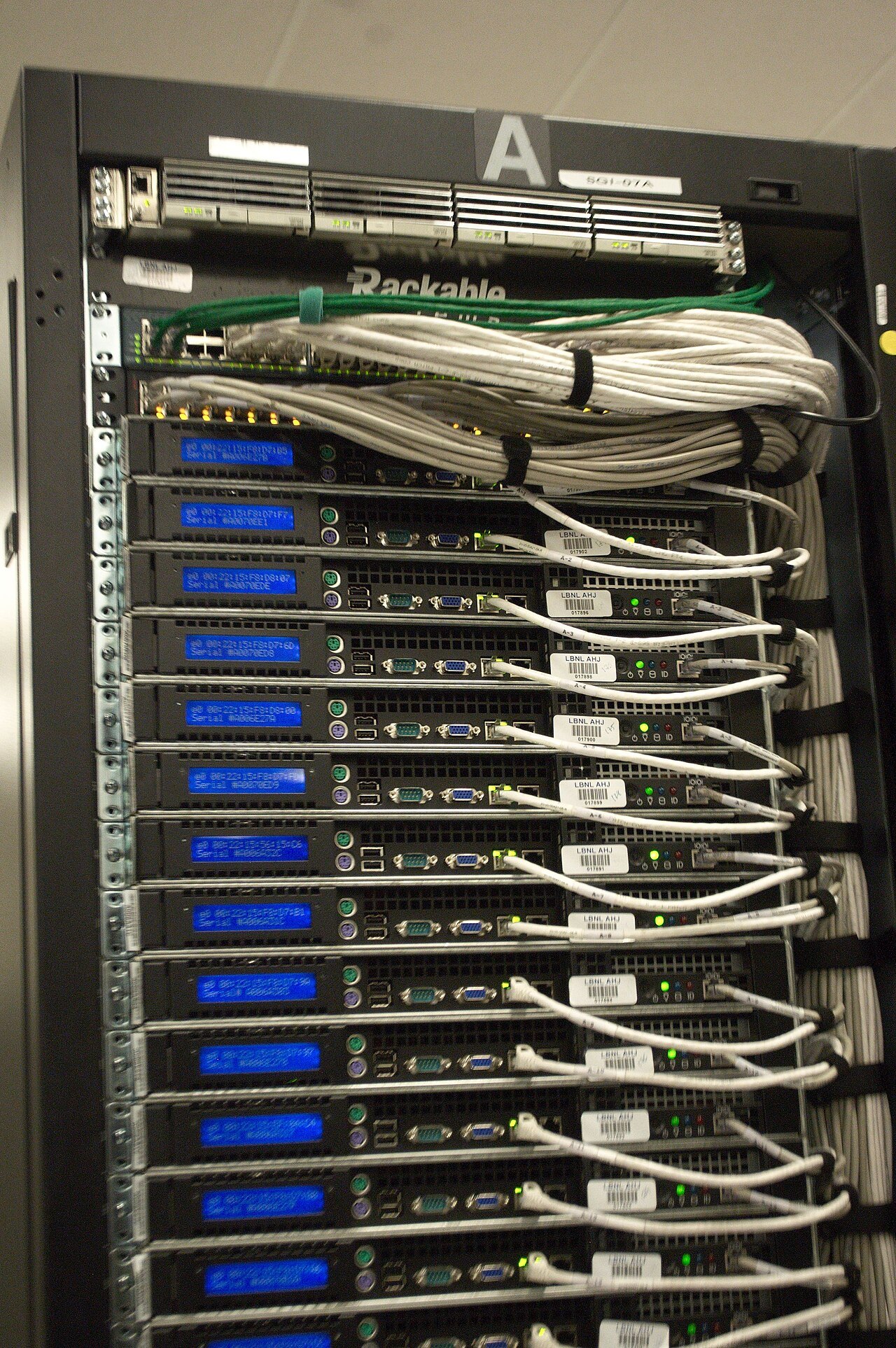
The hard part of that move is the CAD files. At Oracle AI World in Las Vegas this week, Oracle partner Trinamix and cloud PDM maker OpenBOM launched CAD Vault for Oracle Fusion Cloud PLM. Trinamix says manufacturers moving to Fusion from Agile PLM, Windchill or Teamcenter often leave their CAD data behind in on-premises vaults and network drives, which ties engineers to the corporate network and turns into a second migration. CAD Vault syncs local CAD workspaces with the cloud, versions every save, uses locks to coordinate editing, builds the engineering BOM from the CAD structure and publishes a release to Fusion as a redlined change order. It is open now through an early adopter program.
The other theme of the week was AI that changes the product record instead of just searching it. In an Oct. 27 post, Siemens described the AI BOM Agent in Teamcenter, which analyzes bill-of-materials structures, identifies impacted assemblies, proposes changes and helps run the engineering workflow with a person supervising. On Oct. 29, Symetri said the AI Assistant in its Sovelia Core PLM can plan and run multi-step engineering tasks, showing each prepared change and carrying it out only after an engineer approves it.
Put together, these stories show where PLM is going. The released record of what a company builds is moving into vendor clouds, CAD files are being pulled in after it, and software agents are starting to propose and apply changes to it. That raises two questions every engineering manager should be able to answer. Can the company still read and export its full product history if it stops paying? And when an agent edits a BOM, is that edit recorded as a change, with the reason, the affected parts and the person who approved it, the same way a human’s change would be?
N23D is built so the answer to both is yes. PLM lives in the same Rust application as CAD, so the part, its BOM and its release state are one record rather than a file in a vault synced to a list in another system. Every change, whether a person or an agent drafted it, goes through the same change control board approval with its reason and affected items recorded. The product history is stored in a format the company keeps and can read without a subscription.
Sources
- Dassault Systèmes: Strong Q3 Performance with Improved FY26 Objectives and a Step Change in Life Sciences, Dassault Systèmes (Oct. 28, 2026)
- Earnings call transcript: Dassault Systèmes lifts 2026 outlook after Q3 beat, Investing.com (Oct. 28, 2026)
- PTC Announces Third Fiscal Quarter 2026 Results, PTC Investor Relations
- Trinamix Launches CAD Vault for Oracle Fusion Cloud PLM, Powered by OpenBOM Cloud PDM, Trinamix (Oct. 27, 2026)
- AI in PLM: Helping Engineers Work Smarter, Not Harder, Siemens Teamcenter blog (Oct. 27, 2026)
- Symetri Brings Agentic AI to PLM, Symetri (Oct. 29, 2026)
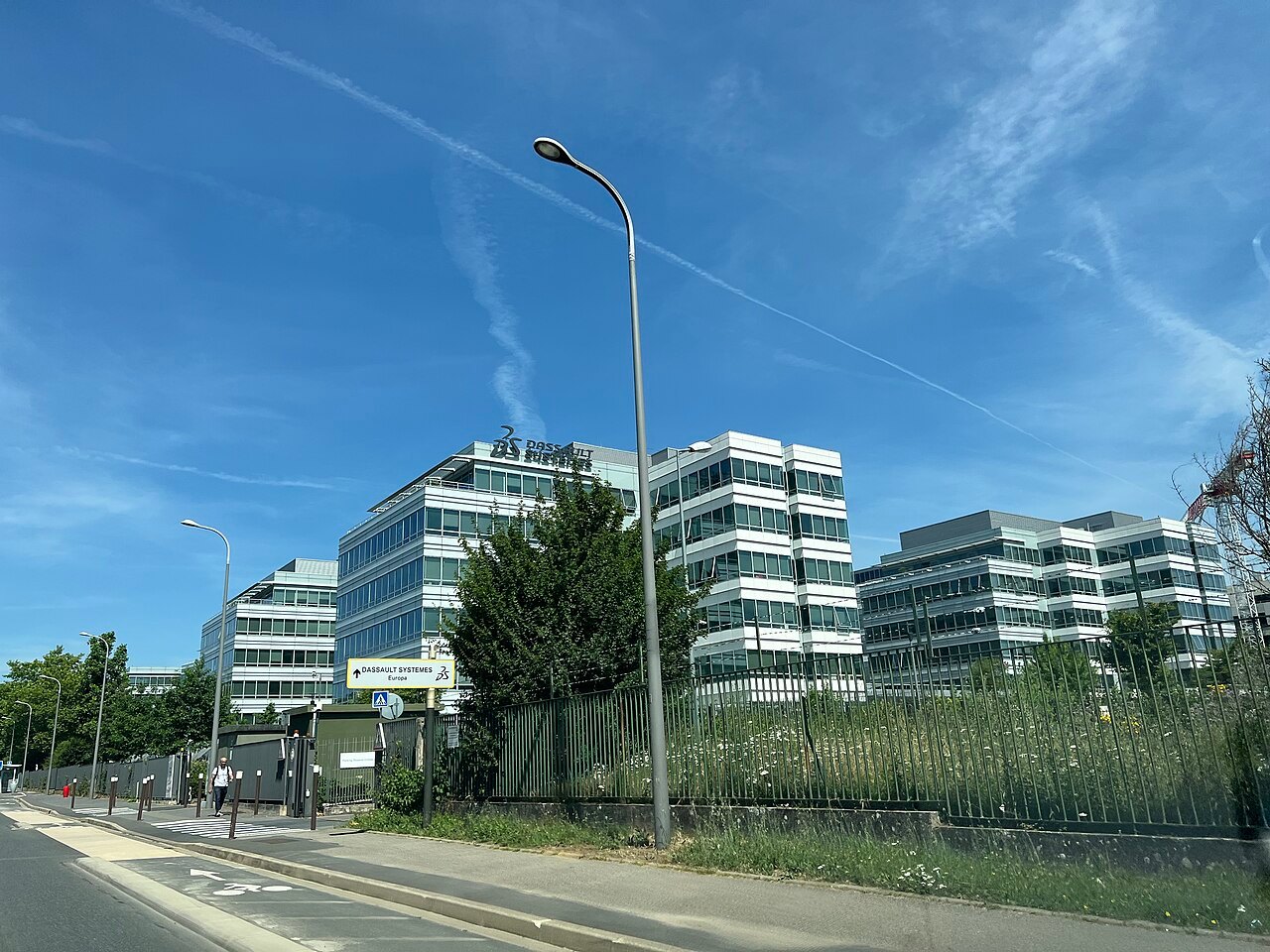
Featured photo: Dassault Systèmes headquarters in Vélizy-Villacoublay, near Paris. Photo by RutoSu, CC BY-SA 4.0, via Wikimedia Commons.