Ask an engineer where the latest bracket model lives and watch the pause. It’s on the vault, unless someone forgot to check it in. Or it’s in a folder named FINAL_rev3_use_this, or on a laptop that left for a supplier visit. Most shops run a PDM tool next to CAD and then spend years teaching people to remember a second step. The vault is only as current as the last person who remembered.
N23D drops the second step. In N23D, check-in is save. A CAD file is a vaulted object with a parent Item and Revision from the moment it exists, so pressing save records an attributable version on the product record instead of copying a file somewhere and hoping. Derived STEP, PDF, and thumbnails hang off that same revision. Delete of a released file is refused, and save-to-folder is not treated as check-in, because a shadow PDM is a failure, not a feature.
Because the vault is not a separate product, everything downstream reads the same record. CAM plans and CAE results check in on that identity, where-used is a query, and an engineering change is a change object that CCB can authorize, not a spreadsheet of filenames. One native Rust binary, 100% Rust we write. See how the product record works in PLM, then follow it through CAD and CAM.
One platform. Full digital thread. If your team still has to remember to check in, the software is making people do the vault’s job.
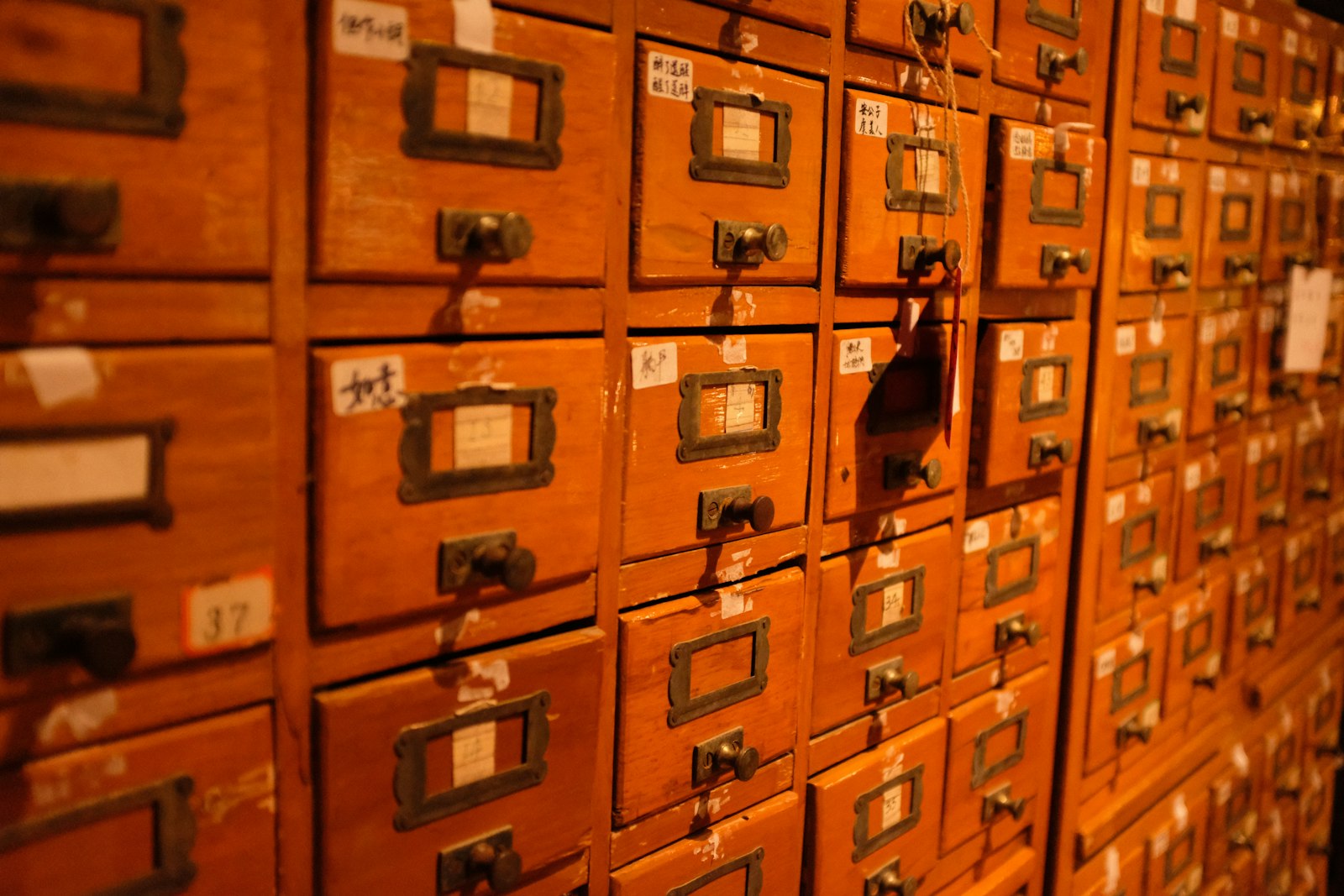
Photo: Jéan Béller / Unsplash