An inspector finds a bore out of tolerance and writes it up. In most plants that nonconformance lands in a quality database the floor never looks at, while the next work order for the same part number is already released, kitted and running. By the time someone connects the two, there is a second bin of bad parts.
In N23D, the nonconformance is written against the part itself, the same part identity that CAD, PLM and MES use. Open an NCR in QMS and any new work order on that revision shows the hold before it starts. The operator sees why, the planner sees which orders are affected, and nobody has to remember to send an email.
Clearing the hold is a recorded decision, not a sticky note. Rework, use-as-is or scrap is approved with a name and a date, and if the root cause is the design, the fix goes through the same change process as any other revision. The next order builds to the corrected part, and the history shows exactly what happened in between.
One platform. Full digital thread. When quality and the shop floor read the same record, a bad part gets stopped at one bin instead of found at the customer. Thirteen vendors stitched together can’t pass that test; one Rust binary can.
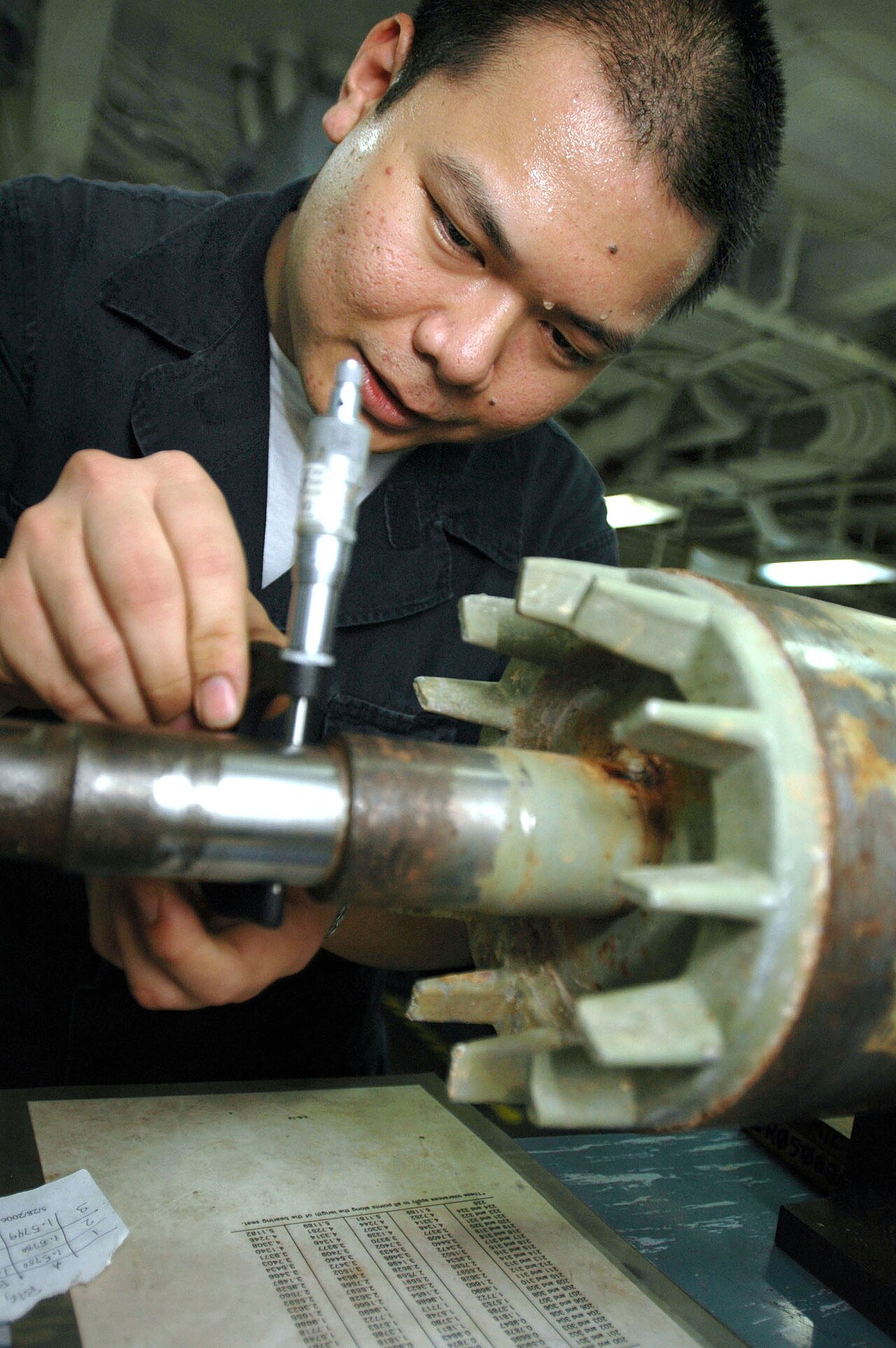
Featured photo: Machinery Repairman measuring a bearing with a micrometer aboard USS Kitty Hawk, U.S. Navy photo by Photographer’s Mate Airman Adam York, public domain, via Wikimedia Commons.