
Accuris launched Accuris Connect on October 6, 2026, bringing its Engineering Workbench standards library into the PLM and ALM tools where engineers already work. The connector was already available for Siemens Teamcenter and PTC Windchill, and it became generally available for Polarion and Codebeamer the same day. Inside PLM, it creates a managed object carrying the standard’s designation, applicable edition, publication status, and a stable Accuris identifier, held beside the part it governs.
The part that matters to a change control board is what happens next. Accuris says that, where the connector supports it, a revised edition flags the records that depend on it and opens a change request with a summary of what changed. Its Change Impact Analysis feature, launched August 27, compares two editions clause by clause and records impact, severity, and engineering rationale in a version-stamped report, so the board’s “why did we decide that” has an answer on file.
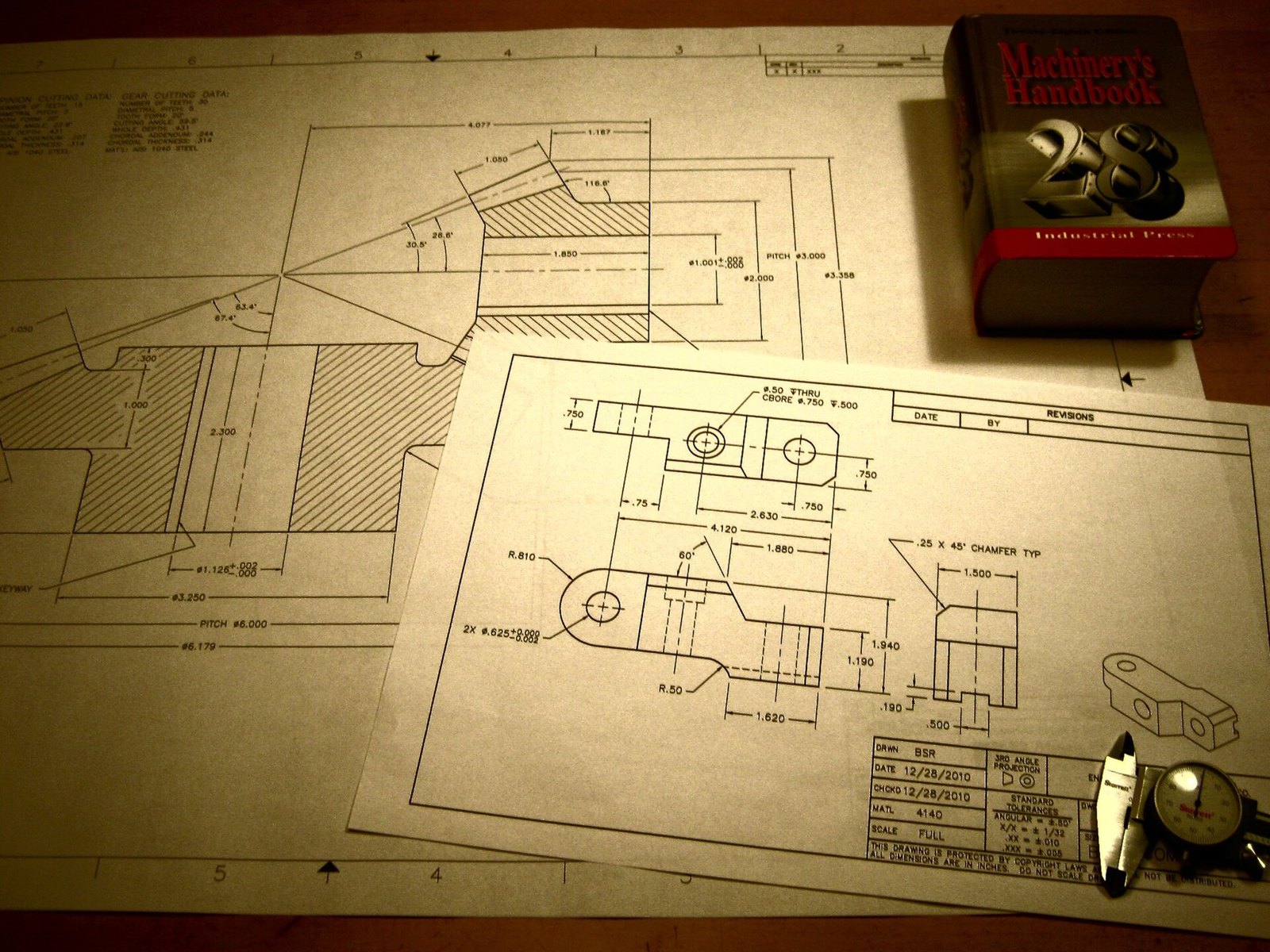

The other half of the problem sits on the CAD side. In a September 29 Engineering.com piece, Autodesk principal product manager Amitabh Verma described an engineering change order that clears every approval and is still obsolete when it reaches the shop floor, because the design kept moving after a drawing was exported and attached. He called the work of keeping two systems aligned a “reconciliation tax.” Autodesk’s answer is an ECO in Fusion Manage that references the live Fusion design and locks it once review begins.
Siemens is pushing AI into the same loop. An October 5 ENGtechnica summary of Leo AI’s review of Teamcenter 2606 says the AI BOM Agent can read BOM context, propose changes, run impact analysis, and start multistep change workflows while a person still reviews them. The catch it flags is reach: the agent sees only what Teamcenter manages and has indexed, so knowledge in network drives, ERP, spreadsheets, and email stays out of view.

.jpg)
All three move evidence closer to the board, and all three do it by connecting systems: a connector from a standards library, an embedded link between CAD and PLM, and an agent limited to an index. Accuris itself says the customer’s systems remain the master record while the standard stays in Engineering Workbench. As Verma put it, two systems can each be good on their own and still fail silently when data has to be synced between them.
N23D’s CCB module is being designed so the change request, the affected parts, the CAD revision under review, the cited standards, and the approvals sit on one record in a single Rust binary, next to PLM and QMS. In that design, when a cited reference changes, the parts that point to it are flagged where they live, and the board reviews the current model instead of an attachment from three days ago.
Sources and references
- Accuris: Accuris Launches Accuris Connect to Bring Trusted Intelligence to Engineering and Supply Chain Workflows (October 6, 2026; also on Business Wire)
- Accuris: Accuris Connect for Engineering Workbench, Standards in Your PLM and ALM Workflow
- Accuris: Accuris Launches Change Impact Analysis to Make Standards Decisions Traceable and Audit-Ready (August 27, 2026)
- Engineering.com: Engineering change orders and the problem of two systems (September 29, 2026)
- ENGtechnica: Teamcenter AI Brings Copilots and Agents Into PLM (October 5, 2026)
- N23D: CCB stack page
- N23D: PLM stack page
- N23D: QMS stack page
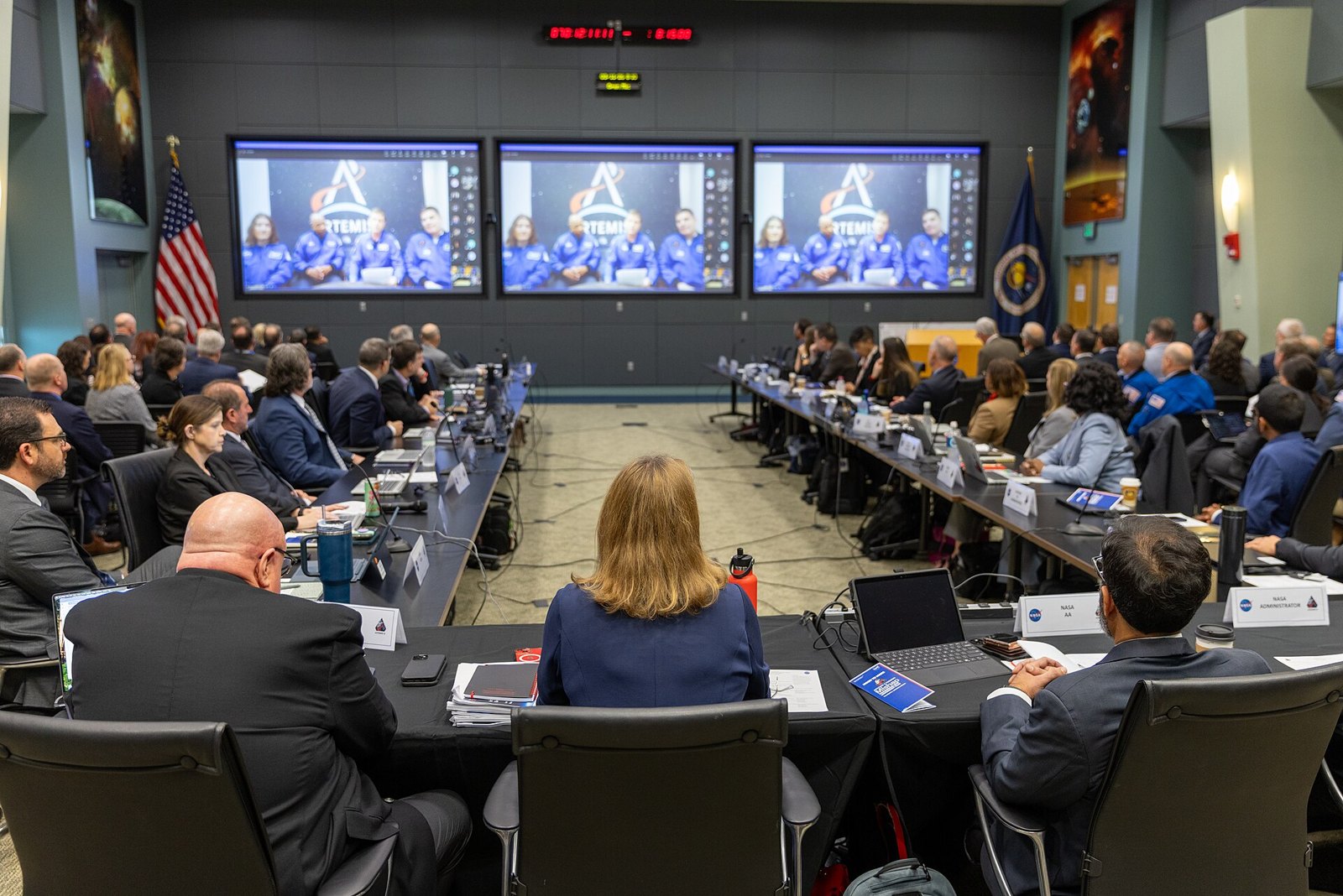
- Featured image: NASA Kennedy Space Center / Amber Jean Notvest, “Artemis II Flight Readiness Review,” March 11, 2026, public domain, via Wikimedia Commons; inline images credited in captions.
.jpg)