
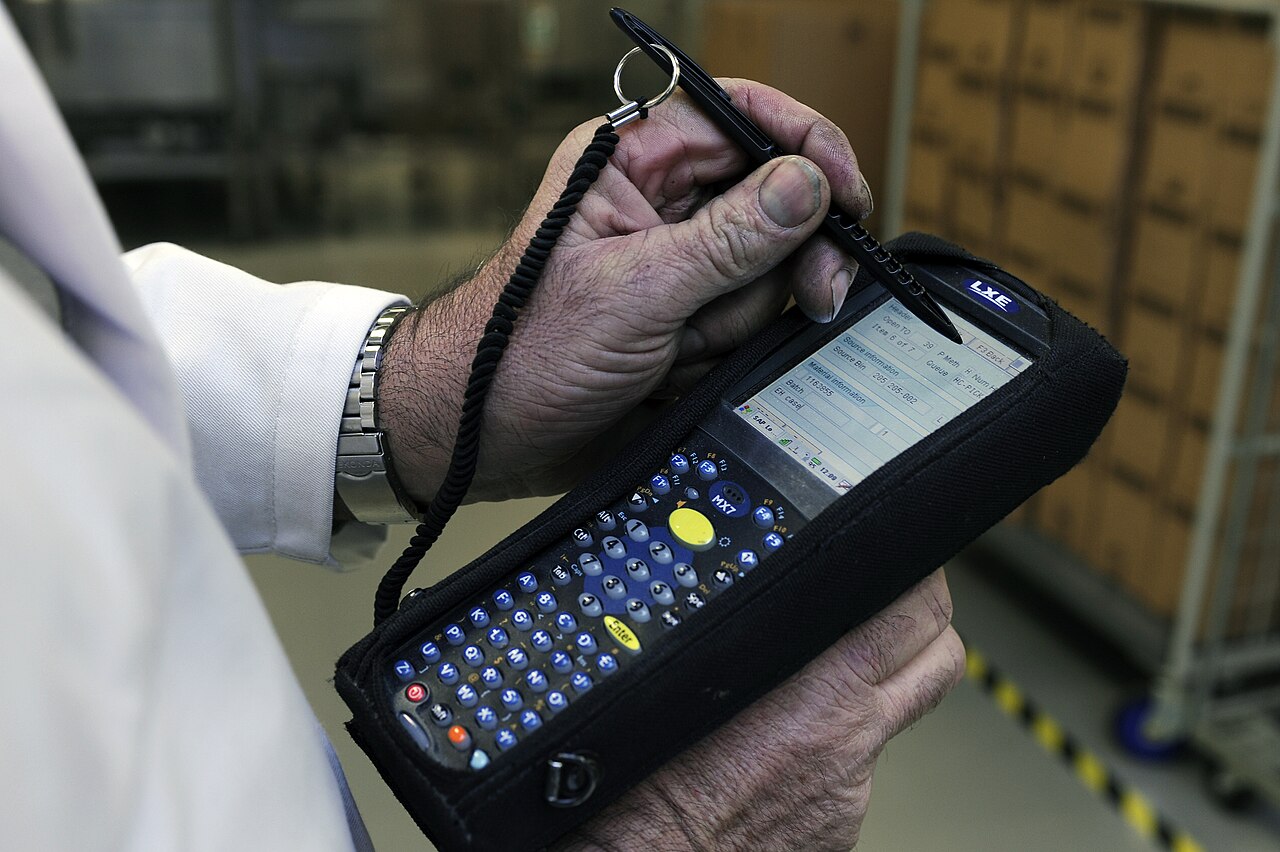
A machine operator flags a sticky barcode scanner to a supervisor mid-shift and keeps the line moving. No ticket. No record. No pattern. That scene is not rare: in SysAid’s 2026 State of Service Management survey, 32% of manufacturers still handle IT issues as walk-ins — hallway talk instead of a logged incident. SysAid’s August write-up calls it a design gap, not a training gap: portals built for desks leave the floor invisible.
Invisible issues are untracked cost. The same jammed printer across three shifts looks like three one-offs when none of them become tickets. Plant leadership cannot see which asset is burning downtime, and the service desk is scored on uptime while half the real failures never entered the system. For factories running 24/7, that missing intake is a direct hit on overall equipment effectiveness.
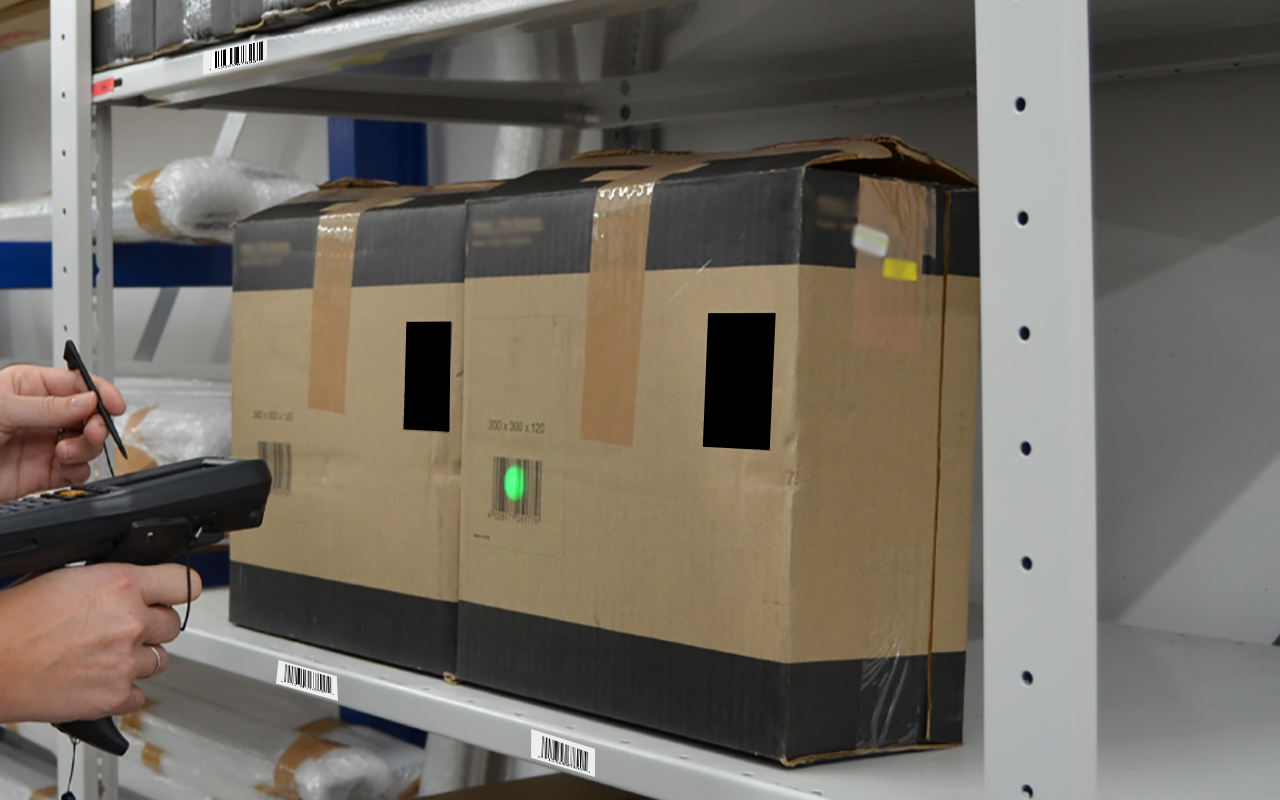

The fix is meeting operators where they already talk: Teams, email, barcode, or a single-word prompt — not another portal login. At packaging firm Söhner, 80% of tickets now arrive through self-service once intake matched real behavior. The same principle shows up in operational technology service management: shop-floor workers need a one-stop ticket path that does not assume a desk.
Proof that routing speed matters: a Deloitte and ServiceNow OTSM pilot at a German manufacturer cut the average time to route a shop-floor ticket to central IT from 30 minutes to a six-minute maximum — about an 80% improvement on critical routing. The pilot site handled roughly 2,000 tickets a year; calculatory savings sat near €50,000 per critical incident, with millions possible if rolled across ~30 plants.
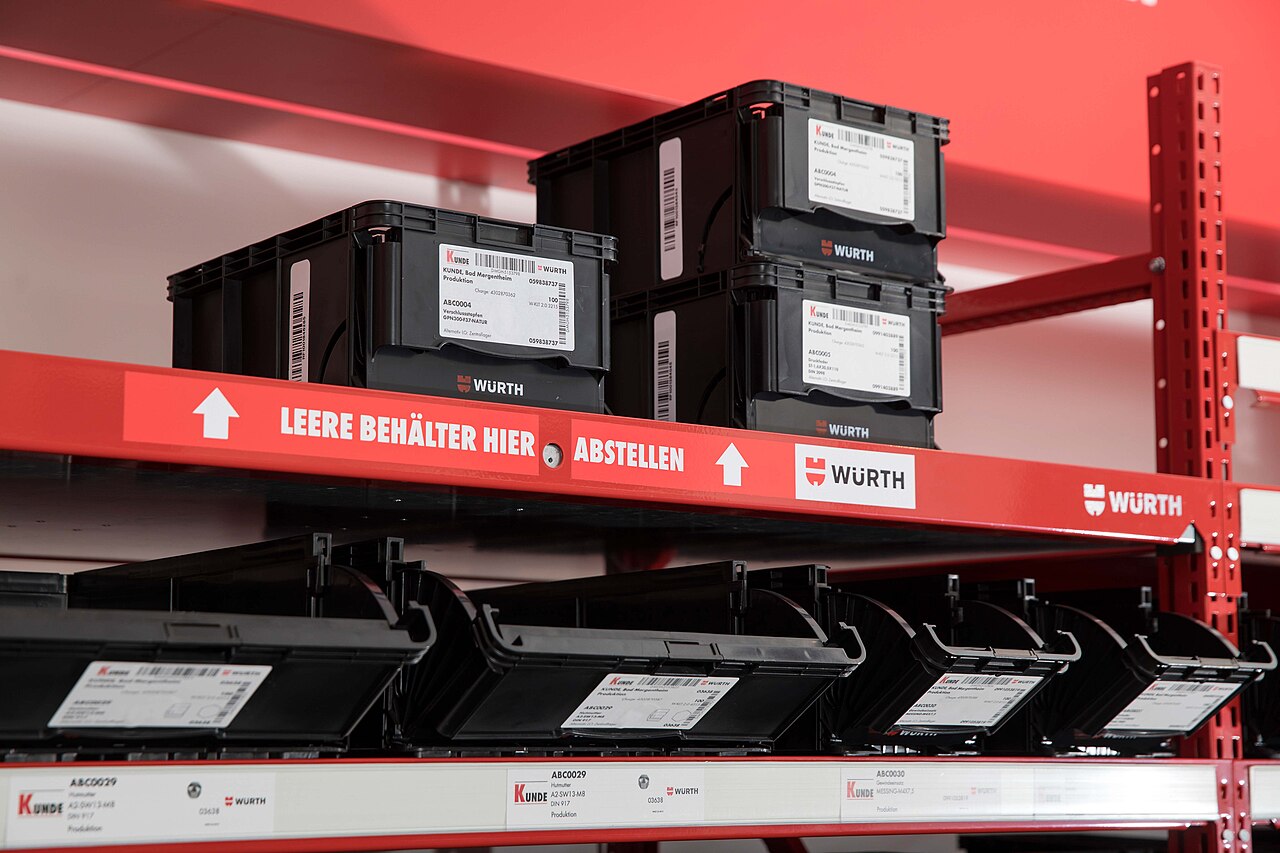

That pilot also embedded a shift-left knowledge path so common OT glitches get fixed on-site before they escalate, and auto-forwarded the rest to the right solver group. Combine that with MES alerts that open tickets via REST and production-priority SLAs, and the ticket stops being an office artifact. It becomes the shared record across IT, OT, and maintenance.
For N23D, the lesson is floor-native TIX: every issue that can stop a cell has to become a ticket without asking an operator to become a clerk. Scan, chat, or sensor in; route by production impact; close with labor and cost attached; then feed the pattern into MES and ERP. If it never logged, it never improved.
Sources
- Why Manufacturing Floor Issues Never Get Logged, SysAid (Aug. 6, 2026)
- State of Service Management Survey 2026, SysAid
- The ticket to maximized uptime with OTSM, Deloitte + ServiceNow
- ITSM for manufacturing — factory help desk 2026, Rotech Group
Featured photo: Package tracking barcode scanner 3 by IAEA / Dean Calma, CC BY-SA 2.0, via Wikimedia Commons.
