
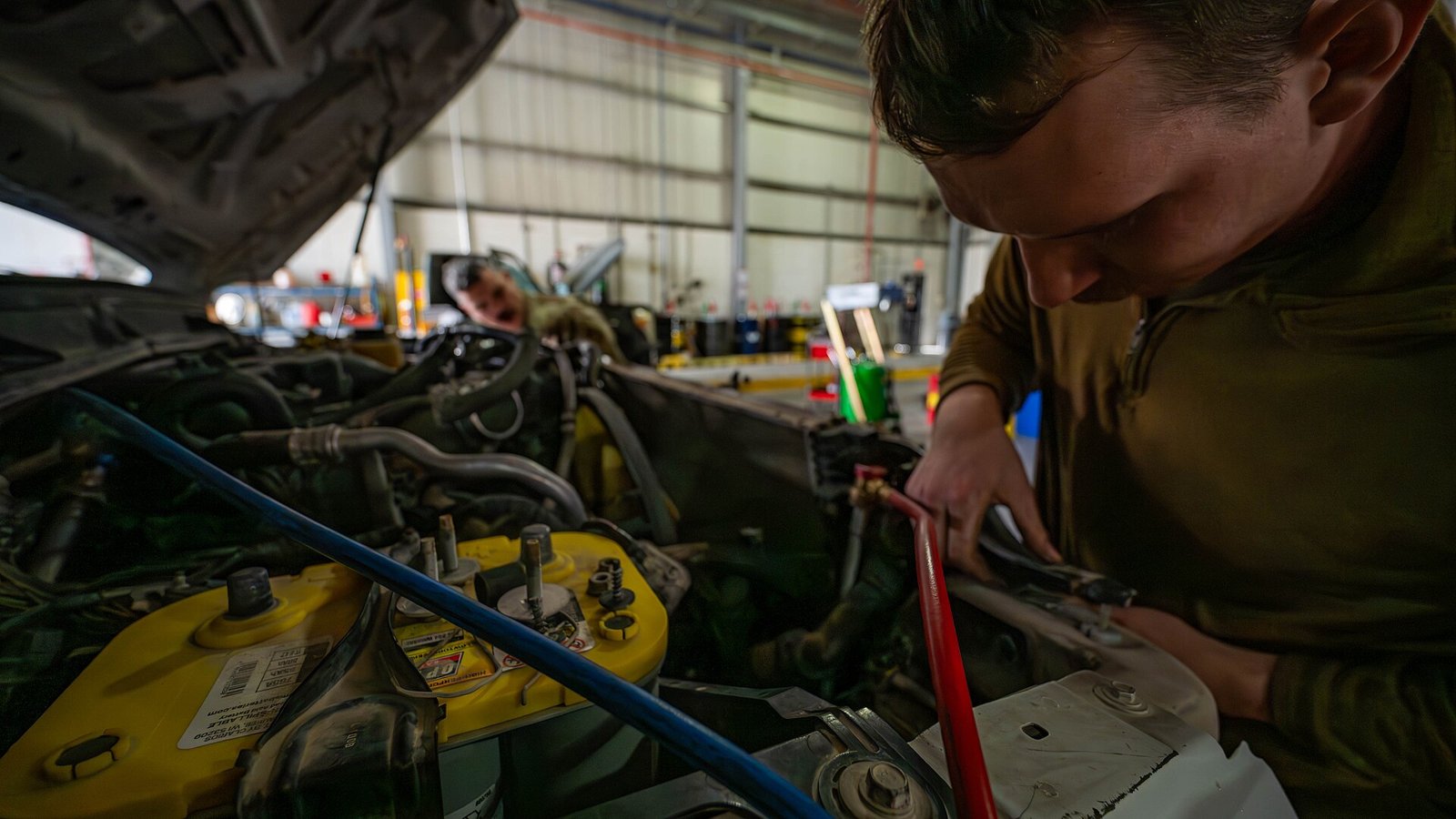
Whip Around announced Advanced Maintenance on October 6, 2026. The fleet maintenance and compliance platform already linked mobile inspections to preventive maintenance schedules, work orders, and service history across vehicles, equipment, and multiple telematics systems. The new release adds technician scheduling, labor tracking, cost-based approvals, and AI-assisted review to that same workflow.
The work order carries more of the job as a result. Whip Around says a defect found on an inspection can move through assignment, scheduling, approval, and completion without manual re-entry, and technicians record actual time against the work order. Its AI audits inspection photos for missed defects and damage, applies defect-handling decisions based on predefined conditions, and loads work order invoices and receipts automatically, while CTO Shai Bhula says people stay in control of the decisions that matter.
.jpg)
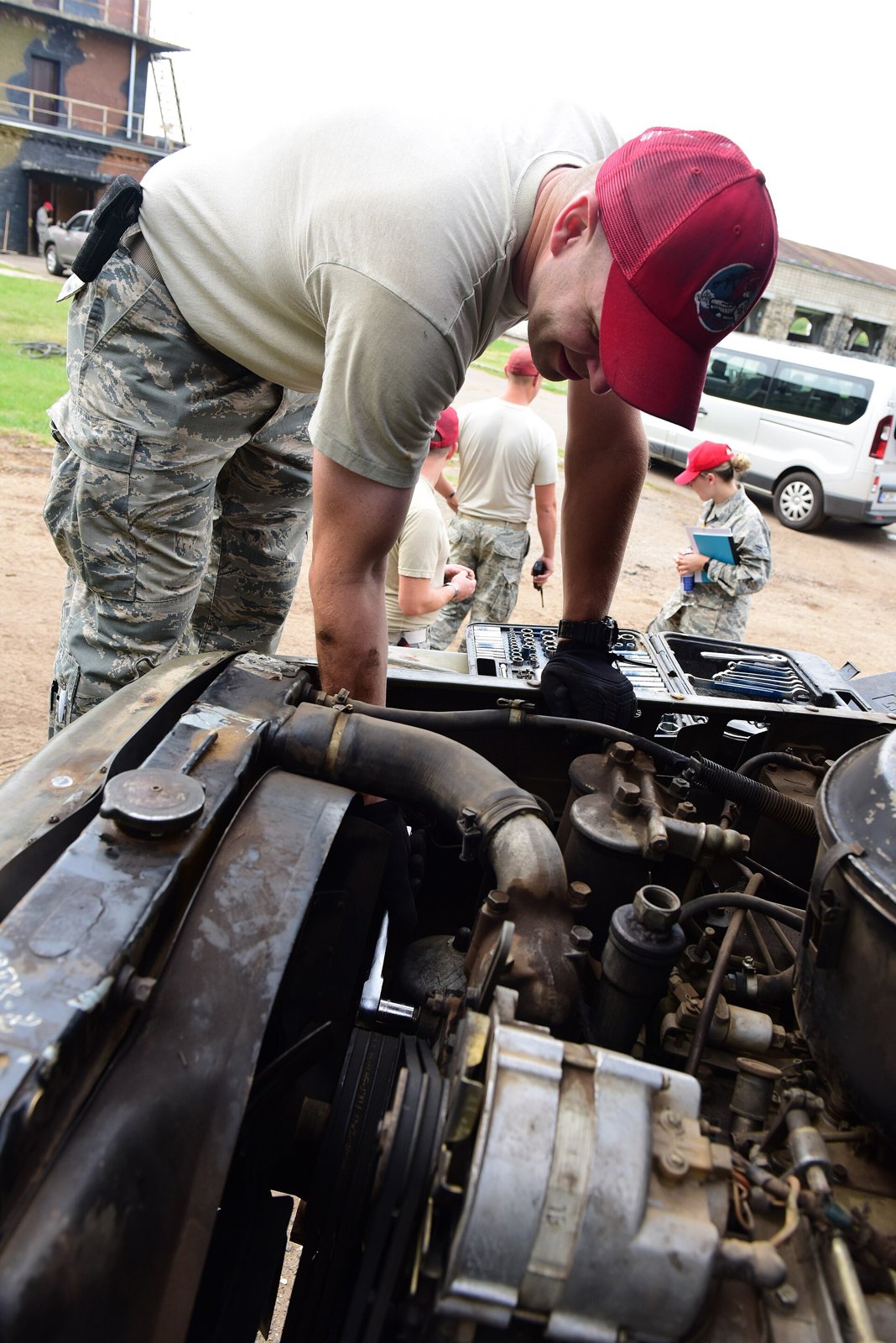
The same day, AppWork went after the other end of the ticket. Its Enriched Completion Notes, live for all AppWork clients at no extra cost, rewrite a technician’s one- or two-word closeout, such as “Fixed” or “Reset breaker,” using the work order’s description, category, photos, logged parts, and timeline. The original note stays on the record, AppWork says the feature elaborates only on what the technician reported, and it flags incomplete repairs, pending parts, and repeat issues.
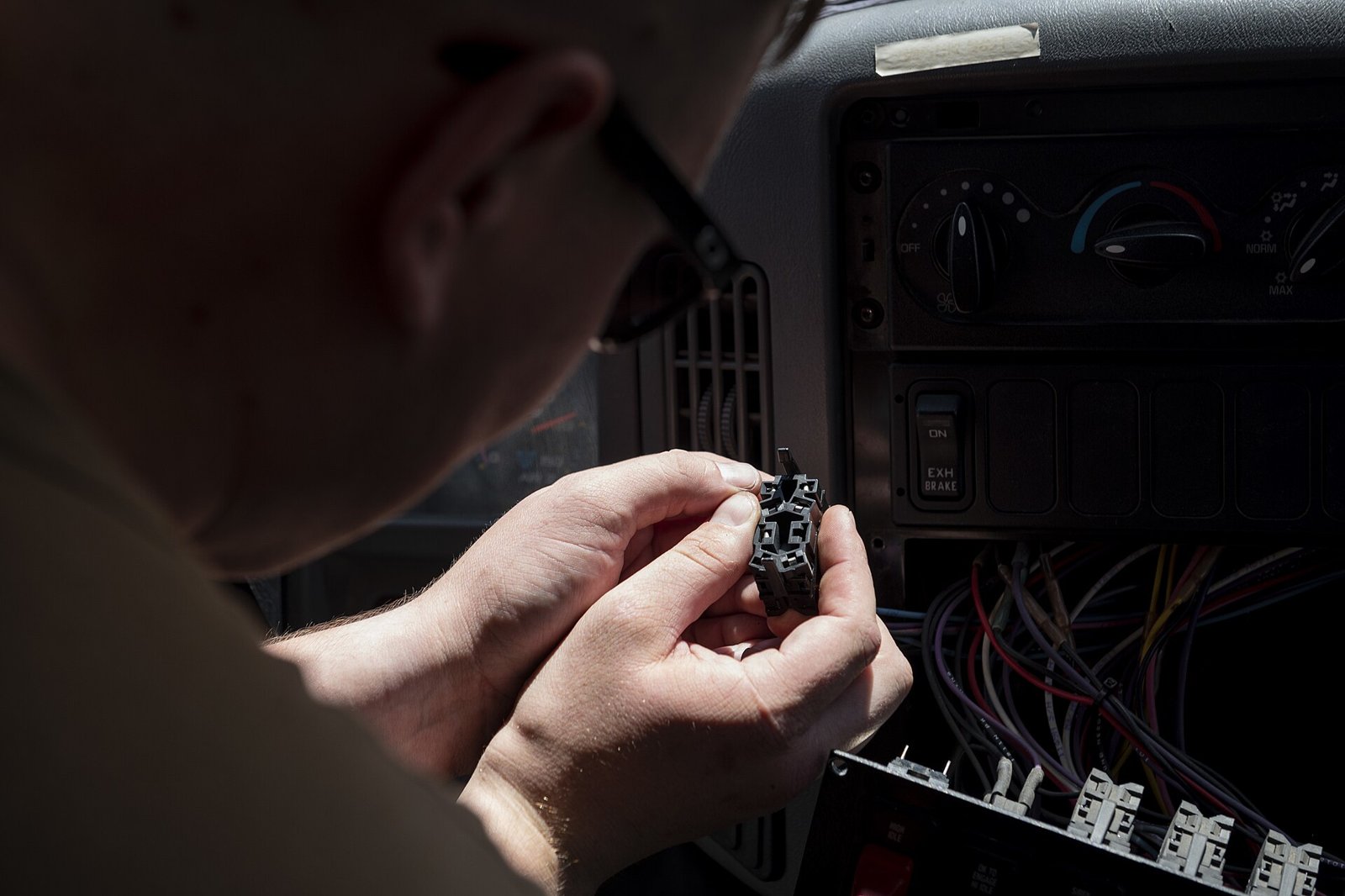
Planon, also on October 6, brought its Field Services Solution to North America. It covers the service lifecycle from customer onboarding and contract management through work planning, execution, monitoring, and billing. Kimberly Castle, president of Planon North America, said most providers position themselves as either a workplace platform or a field service tool, and that Planon lets customers manage both from one system.
.jpg)
Taken together, the three launches show where the value of a maintenance ticket sits: the evidence attached to it. The defect photo at intake, the labor hours and parts in the middle, and the closeout note at the end are what make repair-or-replace decisions, warranty claims, and audits possible. Whip Around’s own release notes that when inspection findings, labor records, and service costs are scattered across disconnected systems, teams spend more time reconciling information.
N23D’s TIX module is being designed so the ticket, the asset, the inspection finding, the labor and parts, and the closeout sit on one record in a single Rust binary, next to ERP for cost and QMS for nonconformance and repeat-issue tracking. In that design, a defect photo opens the ticket, the approval reads the cost already logged against the asset, and the closeout is written from the work that was actually recorded.
Sources and references
- PR Newswire: Whip Around Launches Advanced Maintenance, Connecting Fleet Inspections with AI-Powered Shop-Floor Execution (October 6, 2026)
- AppWork: AppWork Launches AI Enriched Completion Notes (October 6, 2026; also on PR Newswire)
- Planon: Planon Launches Field Services Solution in North America to Unite Facilities and Field Operations (October 6, 2026)
- N23D: TIX stack page
- N23D: ERP stack page
- N23D: QMS stack page
- Featured image: U.S. Air Force photo by Airman 1st Class Robert Nichols, “379th ELRS Airmen maintain the Wing’s vehicle fleet,” March 5, 2025, public domain, via Wikimedia Commons; inline images credited in captions.
.jpg)